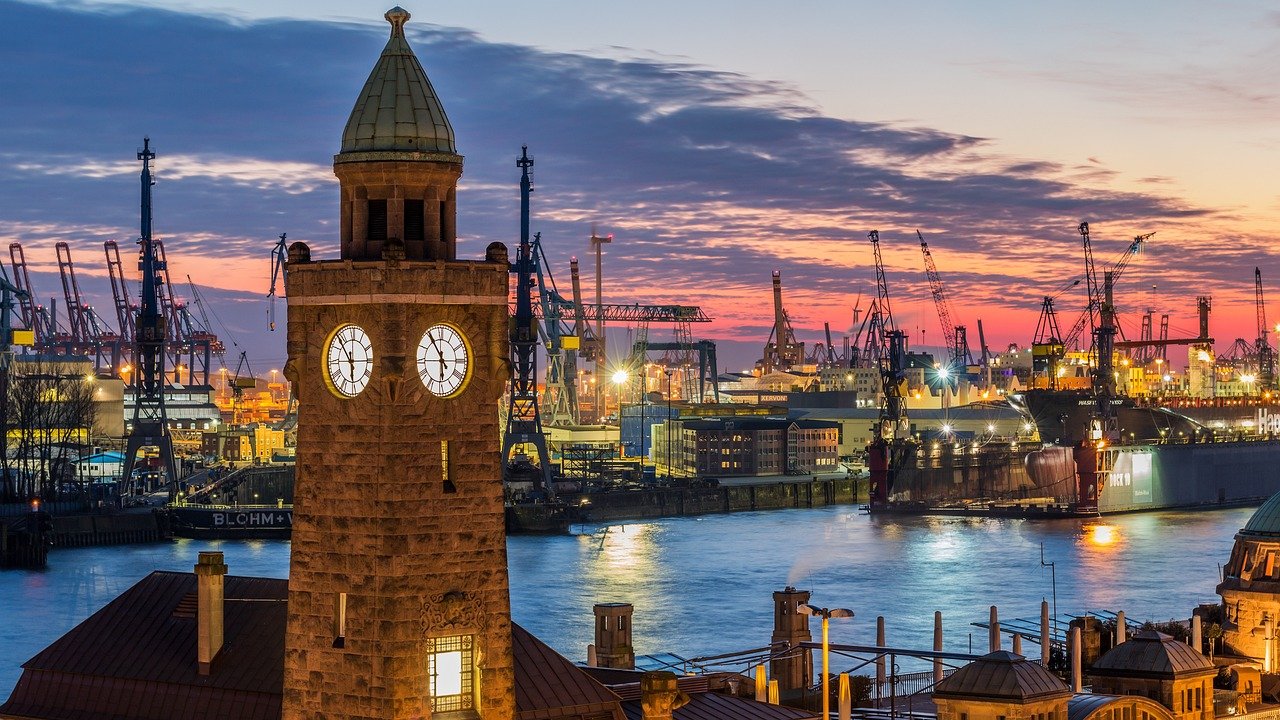

Transforming Urban Spaces: Warehouses in City Environments
Urbanization has given rise to a significant transformation in city environments. With the increasing population density in metropolitan areas, the repurposing of existing structures has become a notable trend in urban development. Among these structures, warehouses stand out as potential gold mines for sustainable and innovative urban design. Historically relegated to industrial use, warehouses are being reinvented into vibrant spaces that contribute to the socio-economic fabric of urban life. This article delves deep into the transformation of warehouses in city environments, highlighting their diverse uses, architectural adaptations, and the impact of these changes on urban landscapes.
The Evolution of Warehouse Spaces
Traditionally, warehouses functioned as storage facilities for goods and materials. As cities evolved, many of these structures fell into disuse due to shifts in industry, such as the decline of manufacturing and the shift toward e-commerce. However, instead of demolishing these empty relics, urban planners and architects have begun to see them as opportunities for reinvention. The adaptive reuse of warehouses has led to creative spaces for offices, residential units, art galleries, restaurants, and even retail spaces.
Architectural Adaptations
The architectural adaptation of warehouses involves a careful balance between preserving historical elements and introducing modern conveniences. Many warehouses feature robust structural frameworks, large open spaces, and high ceilings, which can be repurposed into different functionalities while maintaining the original character.
-
Industrial Chic Design: The aesthetics of warehouses have found popularity in the design world. Exposed brick walls, reclaimed wood beams, and large steel windows provide a rugged charm that appeals to contemporary tastes. This aesthetic has given rise to the “industrial chic” movement, where elements of the original structure are celebrated instead of hidden.
-
Flexible Floor Plans: The open layout of warehouses allows for flexibility in design. Developers often implement modular systems that can be adapted to different needs. This adaptability is essential in a city where the needs of residents and businesses constantly evolve.
-
Sustainable Practices: Renovations often incorporate green building practices. Solar panels, energy-efficient heating and cooling systems, and sustainable materials contribute to lower environmental impact. By upgrading warehouses into eco-friendly spaces, cities can reduce their carbon footprints and promote sustainability.
Real-World Examples of Transformation
Various cities around the globe have successfully transformed warehouses into vibrant urban spaces, each project reflecting local culture and needs.
-
The High Line in New York City: This elevated linear park, built on an abandoned railway line, showcases adaptive reuse that has rejuvenated the neighborhood. Nearby warehouses have been converted into art galleries and community spaces, enhancing the cultural fabric of the area.
-
The Distillery District in Toronto: This historical area features rehabilitated Victorian industrial buildings that now serve as boutiques, artisan shops, and eateries. The transformation has created a bustling community space that attracts both locals and tourists.
-
Warehouse District in Minneapolis: Once a hub for manufacturing, this area has seen numerous warehouses transitioned into apartments, office spaces, and cultural venues. Community art projects and public spaces further enliven the district, fostering creativity and engagement.
Social and Economic Impacts
The transformation of warehouses into multifunctional spaces has significant social and economic implications for urban environments.
-
Community Development: By turning warehouses into community hubs, cities foster social interaction. These spaces often host farmers’ markets, art shows, and events that encourage community engagement and enhance the quality of life for residents.
-
Job Creation: Renovated warehouses often attract diverse businesses, from startups to established companies. This influx can lead to job creation and stimulate local economies, further boosting urban regeneration.
-
Real Estate Value Increase: The revitalization of warehouse districts can dramatically increase local property values. As these areas become more desirable, they attract investment, driving economic growth.
-
Cultural Innovations: The evolution of warehouses into art spaces or cultural centers encourages creativity. Public art installations, performances, and exhibitions enrich urban life and promote local talent.
Challenges in Transformation
While the potential for repurposing warehouses is significant, several challenges must be addressed to ensure successful transformation.
-
Zoning Regulations: Transforming warehouses can be hindered by existing zoning laws that dictate land use. Urban planners must advocate for policy changes that allow for mixed-use developments.
-
Financing and Investment: Securing financing for adaptive reuse projects can be daunting. Developers often need to navigate complex funding sources, including grants, tax incentives, and partnerships with non-profits or government entities.
-
Community Resistance: Local communities may resist changes due to fears of gentrification or loss of cultural identity. Engaging residents in the planning process is crucial to address concerns and ensure that developments serve the community’s needs.
The Future of Warehouses in Urban Settings
As cities continue to grow and evolve, the future of warehouse spaces appears bright. The trend of adaptive reuse aligns with sustainable urban development goals, promoting a blend of preservation and innovation.
-
Smart Technologies: The integration of technology into refurbished warehouse spaces will enhance functionality. Smart building technologies can improve energy efficiency and create intelligent environments that respond to user needs.
-
Pop-Up Spaces and Incubators: Warehouses will likely host pop-up shops and incubator spaces for entrepreneurs, fostering innovation and economic diversity. This flexibility can turn static structures into dynamic hubs of activity.
-
Civic Engagement: Future transformations will increasingly focus on community input and involvement. Establishing partnerships with local organizations can facilitate projects that reflect the diverse needs of urban populations, ensuring benefits are shared equitably.
Conclusion
The transformation of warehouses into vibrant urban spaces is an exciting aspect of contemporary urban planning. With their rich history and unique architectural features, warehouses offer a blank canvas for creativity and innovation. As cities continue to evolve, these spaces promise to play a vital role in shaping sustainable, engaging, and inclusive urban environments, catering to the ever-changing landscape of urban life.
