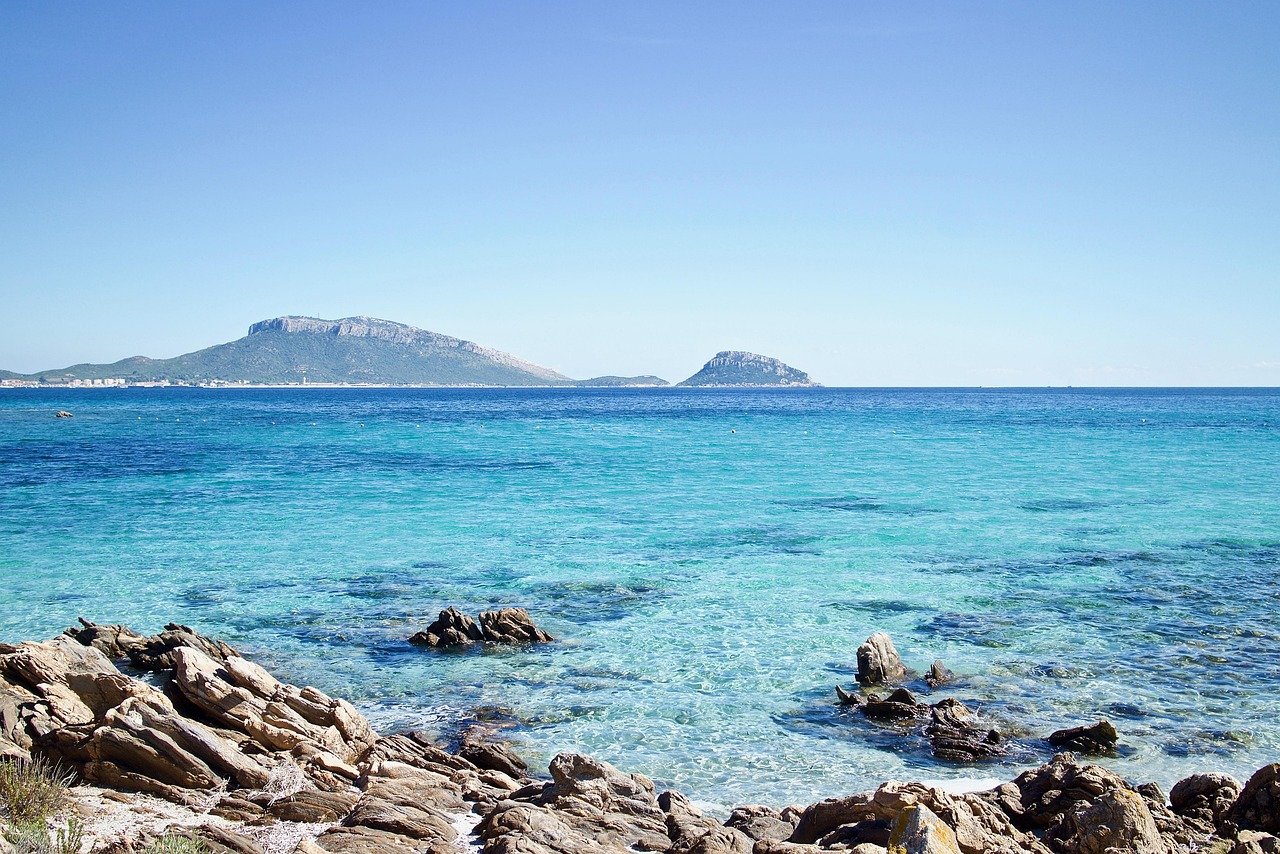

Real Estate Development Trends in Island Communities
1. Sustainability and Eco-Friendly Design
As climate change becomes an increasing concern, island communities are prioritizing sustainability in real estate development. Developers are integrating eco-friendly materials and practices into building designs. Features such as solar panels, rainwater harvesting systems, and energy-efficient appliances are becoming standard. The emphasis on green building not only appeals to environmentally-conscious buyers but also leads to long-term savings on utility costs. Additionally, many island developments are designed to minimize environmental impact and preserve the natural landscape, encouraging biodiversity and protecting ecosystems.
2. Mixed-Use Developments
Mixed-use developments are on the rise in island communities, combining residential, commercial, and recreational spaces in a cohesive environment. This approach fosters a sense of community and reduces the need for transportation, promoting walkability. By creating vibrant neighborhoods where residents can live, work, and play, developers are attracting younger demographics who value convenience and lifestyle integration. These developments often include parks, restaurants, and shops, enhancing the local economy while preserving the island’s charm.
3. Technology Integration
The integration of smart technologies is reshaping real estate development in island communities. Smart homes with home automation systems, energy monitoring, and connectivity options are gaining popularity. These technologies not only enhance the living experience but also appeal to a tech-savvy audience. High-speed internet access is becoming essential, allowing remote work and attracting digital nomads looking for a blend of work-life balance in picturesque settings. Developers are increasingly considering technological infrastructure, anticipating the growing demand for innovation and connectivity.
4. Affordable Housing Initiatives
Affordability remains a pressing issue in many island communities, where property prices can be disproportionately high. Developers are responding by creating affordable housing initiatives aimed at attracting a diverse range of residents, including local workers. Government incentives and partnerships with non-profit organizations are fostering affordable housing projects, ensuring that essential service workers can live and thrive in the communities they serve. These initiatives often include innovative financing options, adaptive reuse of existing structures, and compact, efficient designs to maximize space.
5. Resilience Planning
Natural disasters pose significant challenges for island communities, prompting developers to incorporate resilience planning into their projects. This includes elevating buildings to meet flood risks, implementing stormwater management systems, and using durable materials that withstand harsh weather conditions. Communities are also focusing on strategic zoning and land use planning to encourage responsible development away from vulnerable shorelines. With climate resilience integrated into the planning process, these developments not only protect residents but also maintain property values and investment viability.
6. Biophilic Design
Biophilic design principles that prioritize natural elements are becoming a focal point in island real estate development. Developers are leveraging the natural beauty of islands by incorporating features such as expansive windows, terraces, and green roofs that connect residents with their surroundings. This trend not only enhances aesthetic value but also promotes mental well-being and overall quality of life. Developers are recognizing that consumers are increasingly seeking environments that foster tranquility and connection to nature, influencing their design and marketing strategies.
7. Aging Population Considerations
As the population ages, island communities are adapting their real estate offerings to accommodate older residents. Developers are focusing on creating age-friendly housing options, including single-level homes, accessible features, and proximity to healthcare facilities. Active adult communities and senior housing developments that offer amenities and services catered to older adults are increasingly in demand. By prioritizing the needs of aging residents, developers can tap into a growing market while fostering inclusive, vibrant communities.
8. Short-Term Rentals and Tourism-Oriented Developments
The rise of platforms like Airbnb and VRBO has led to a surge in short-term rentals, impacting island real estate markets significantly. Developers are adapting to this trend by creating properties specifically designed for vacation rentals, catering to tourists seeking unique lodging experiences. This shift requires careful balancing with local housing needs, leading to increased regulations in some areas to ensure that short-term rentals do not disrupt community dynamics. Developers are finding innovative solutions to blend tourism with residential growth, often collaborating on community guidelines to maintain compatibility.
9. Remote Work-Friendly Communities
The pandemic has accelerated the shift towards remote work, reshaping real estate development in island communities. Developers are creating work-from-home-friendly living spaces that offer dedicated office areas, robust internet infrastructure, and community co-working spaces. This trend enables individuals to reside in idyllic locations while maintaining their professional obligations. As more companies adopt hybrid work models, the demand for properties that support remote work is likely to grow, enticing tech workers and professionals to consider island living.
10. Preservation of Cultural Heritage
Island communities often boast rich cultural histories that attract residents and tourists alike. Recognizing the value of heritage, developers are increasingly focusing on preserving cultural sites and incorporating them into new developments. Projects that reflect local history, art, and traditions foster a sense of place and pride among residents. Initiatives that combine modern living with cultural preservation create unique attractions that enhance the local identity, drawing both potential buyers and tourists interested in experiencing island culture.
11. Wellness-Oriented Developments
As well-being becomes a top priority, wellness-oriented real estate developments are emerging in island communities. These projects often include features such as fitness centers, yoga studios, and communal gardens, promoting a healthy lifestyle. Developers are also prioritizing outdoor spaces that encourage physical activity and social interaction. By creating environments conducive to health and wellness, these communities become more appealing to families and individuals who prioritize overall well-being in their living choices.
12. Community Engagement and Input in Development
Increasingly, developers are recognizing the importance of community engagement in the real estate development process. The inclusion of stakeholder input through public meetings and feedback sessions is driving more tailored development initiatives. By involving local residents and stakeholders, developers can create spaces that reflect community values and needs. This collaborative approach fosters goodwill, reduces resistance to change, and ultimately leads to more successful and harmonious development outcomes.
13. Focus on Climate Adaptation Strategies
Island communities are at the forefront of climate adaptation strategies that inform real estate development. Rising sea levels and increasing storm intensity demand that developers proactively implement measures that protect newly constructed properties and existing buildings. These may include elevated structures, the use of coastal barriers, and enhanced drainage systems designed to mitigate flooding. Partnerships with environmental organizations are also becoming common to ensure that development aligns with comprehensive climate adaptation frameworks, safeguarding the community’s future.
14. Investment in Infrastructure
To support growing real estate developments, island communities are investing in essential infrastructure projects. Improved transportation networks, such as expanded ferry services and road upgrades, facilitate easier access to and from the islands. Enhanced utility services, including water and energy systems, are being upgraded to accommodate increased demand from new developments. These investments not only enhance the appeal of island living but also support economic growth by attracting new residents and businesses.
15. Luxury Market Growth
Despite broader market trends, the luxury real estate sector in island communities continues to thrive. High-net-worth individuals are drawn to remote havens for their privacy, natural beauty, and exclusive amenities. Developers are constructing high-end properties featuring state-of-the-art technologies, lavish designs, and unparalleled views. The growth of the luxury market has essential implications for local economies, as affluent buyers often contribute significantly to local businesses and services, fostering an upscale lifestyle that aligns with the island experience.
By staying attuned to these trends, stakeholders in island communities can enhance their growth strategies and fulfill the evolving demands of residents and investors alike.
