
Capturing Island Life: A Photographer’s Guide to US Coastal Living
Understanding Coastal Landscapes
When venturing to the U.S. coasts, photographers are greeted with diverse and breathtaking landscapes. From the rocky shores of Maine to the sandy dunes of Florida, every coastal area offers unique opportunities for capturing island life. Pay attention to the interplay between land, sea, and sky, as each element contributes to the story you want to tell through your photographs.
Best Times for Photography
Timing is crucial when photographing coastal scenes. The golden hours—shortly after sunrise and before sunset—provide warm lighting that enhances the natural beauty of your subject. During these times, the soft, diffused light highlights textures in sands, rocks, and water, leading to stunning captures. Overcast days can also be favorable, providing even lighting that is ideal for detailed shots of flora and fauna without harsh shadows.
Essential Gear for Coastal Photography
Your camera gear can make a significant difference when capturing the beauty of island life. Key considerations include:
- Camera Body: A DSLR or mirrorless camera is ideal for flexibility and quality.
- Lenses: A wide-angle lens (16-35mm) captures expansive landscapes, while telephoto lenses (70-200mm) help you focus on distant subjects like wildlife or boats.
- Tripod: Useful for long-exposure shots, enabling smoother seas or capturing star trails.
- Filters: A polarizing filter reduces glare from the water and saturates colors, while neutral density filters let you manage light exposure effectively.
- Waterproof Housing: Especially if you’re venturing near the shore, waterproof gear protects your equipment from splashes and moisture.
Capturing Wildlife
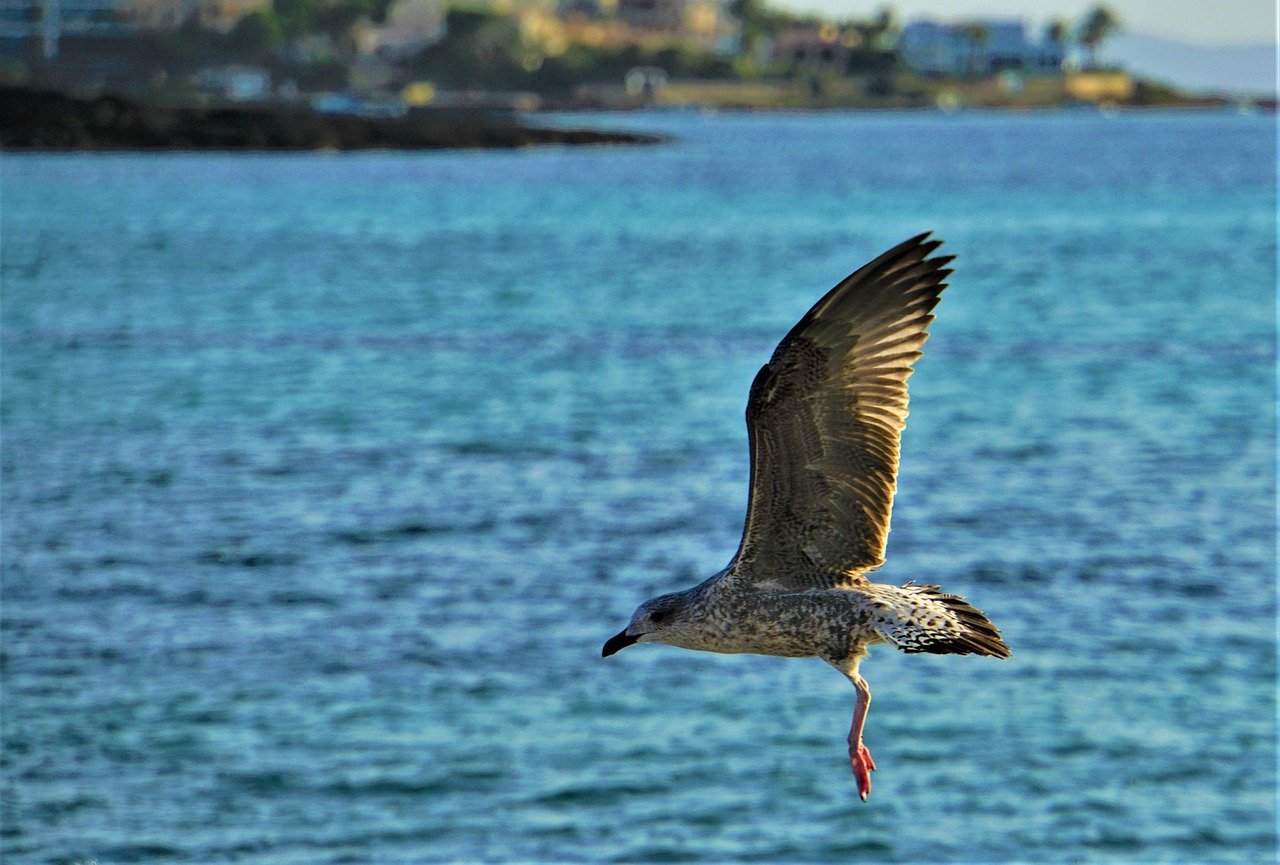
Coastal ecosystems teem with wildlife, offering an array of subjects. Seabirds, dolphins, and sea turtles are just a few examples. To capture these animals in their natural habitat:
- Patience is Key: Wildlife photography often requires waiting for the perfect moment. Observe their behavior patterns and be ready.
- Use a Telephoto Lens: A long lens allows you to photograph wildlife from a distance without disturbing their natural behaviors.
- Adapt to the Environment: Familiarize yourself with local wildlife and their habitats. Different regions have different species and migration patterns, so research is essential.
Documenting Local Culture and Lifestyle
Photographs should also reflect the culture and lifestyle of the coastal communities. Festivals, local fishing activities, and daily life can showcase the rich tapestry of island living:
- Participate in Local Events: Join local festivals or markets, capturing candid moments and unique traditions.
- Talk to Residents: Engage with local residents to understand their stories, which can enhance the narrative of your photos.
- Food Photography: Coastal regions often have rich culinary traditions. Capture images of local seafood markets, food preparation, or plated dishes in restaurants that reflect the island’s flavor.
Composition Techniques for Stunning Images
Mastering composition is fundamental for striking coastal photographs. Here are some techniques:
- Rule of Thirds: Place significant elements along gridlines or at their intersections for balanced compositions.
- Leading Lines: Use natural elements like shorelines, fences, or piers to guide the viewer’s eye through the image.
- Framing: Use natural frames such as branches or rocks to enclose your subject and create depth.
- Reflections: Capture reflections in water to add symmetry and interest to coastal shots.
Post-Processing Tips
After capturing your images, post-processing is a vital stage in enhancing your photos. Utilize software like Adobe Lightroom or Photoshop:
- Adjust Exposure and Contrast: Fine-tune brightness and contrast to bring out details.
- Color Grading: Enhance colors to reflect the mood you want your image to convey—warmer tones for sunsets or cooler tones for a moody atmosphere.
- Crop Wisely: Take the opportunity to remove distractions and focus on your primary subject.
Protecting Yourself and Your Gear
When photographing in coastal environments, safety is paramount. Consider these tips:
- Body Health: Wear sunscreen, stay hydrated, and be conscious of the elements to ensure a productive shooting session.
- Secure Your Gear: Use camera straps and waterproof bags to prevent damage from sand or water.
- Stay Aware of Your Surroundings: Be cautious of changing tides, sudden weather shifts, and wildlife to protect both yourself and your equipment.
Finding Unique Perspectives
To set your work apart, aim for unique perspectives that may be overlooked by others:
- Aerial Photography: Use drones to capture stunning vistas and patterns from above, providing a fresh view of coastal landscapes.
- Underwater Photography: Explore underwater environments if you have appropriate gear, capturing marine life and stunning visuals from beneath the surface.
Building a Portfolio
A well-curated portfolio showcases your skills and unique perspective. Consider these steps to build and maintain an effective photography portfolio:
- Select Your Best Work: Curate images that reflect your style, focusing on a consistent theme or message.
- Create a Narrative: Organize images to create a story about the coastal life you’ve captured, drawing viewers in.
- Update Regularly: Keep your portfolio fresh by regularly adding new work and removing less representative images.
Marketing Your Images
To reach a wider audience, focus on effective marketing strategies:
- Social Media: Share your work on platforms like Instagram, Facebook, and Pinterest, using relevant hashtags and engaging with your audience.
- Online Marketplaces: Consider selling your images on stock photography websites or your own online shop.
- Networking: Join photography groups, both online and offline, to connect with other photographers, potential clients, and local organizations.
Continuing Education and Growth
Photography is an ever-evolving field. Continued education is essential:
- Workshops and Classes: Attend photography workshops to refine your skills and gain new techniques.
- Online Tutorials: Platforms like YouTube or specialized courses provide access to a wealth of knowledge.
- Mentorship: Seek out experienced photographers for guidance and feedback, helping you grow and improve your craft.
Capturing island life along the U.S. coast is an enriching experience, offering a blend of natural beauty, vibrant culture, and diverse wildlife. By employing the right techniques, equipment, and mindset, photographers can create impactful images that celebrate the essence of coastal living.
