
Understanding Adaptive Reuse
Adaptive reuse refers to the process of repurposing old buildings for new uses while preserving their historic and architectural significance. This sustainable approach not only minimizes waste but also revitalizes communities, creating a unique blend of old-world charm and modern functionality.
The Importance of Adaptive Reuse
-
Environmental Sustainability: Adaptive reuse promotes sustainability by reducing the need for new construction. This helps conserve resources, lowers carbon emissions, and minimizes landfill waste.
-
Historical Preservation: Many older buildings feature architectural details that reflect historical styles and craftsmanship, which modern construction often lacks. By preserving these structures, cities maintain their cultural heritage.
-
Economic Development: Renovating old buildings can stimulate local economies. It attracts businesses and residents, increases property values, and generates job opportunities in construction and renovation.
-
Community Revitalization: Transforming derelict buildings into vibrant spaces creates a sense of community and encourages social interaction. These projects can turn blighted areas into thriving neighborhoods.
Types of Buildings Commonly Reused
-
Industrial Buildings: Factories and warehouses often have spacious layouts and durable materials, making them ideal for conversion into lofts, offices, or creative spaces.
-
Schools: Old school buildings can be repurposed into residential units, community centers, or office spaces while retaining their architectural features that evoke nostalgia.
-
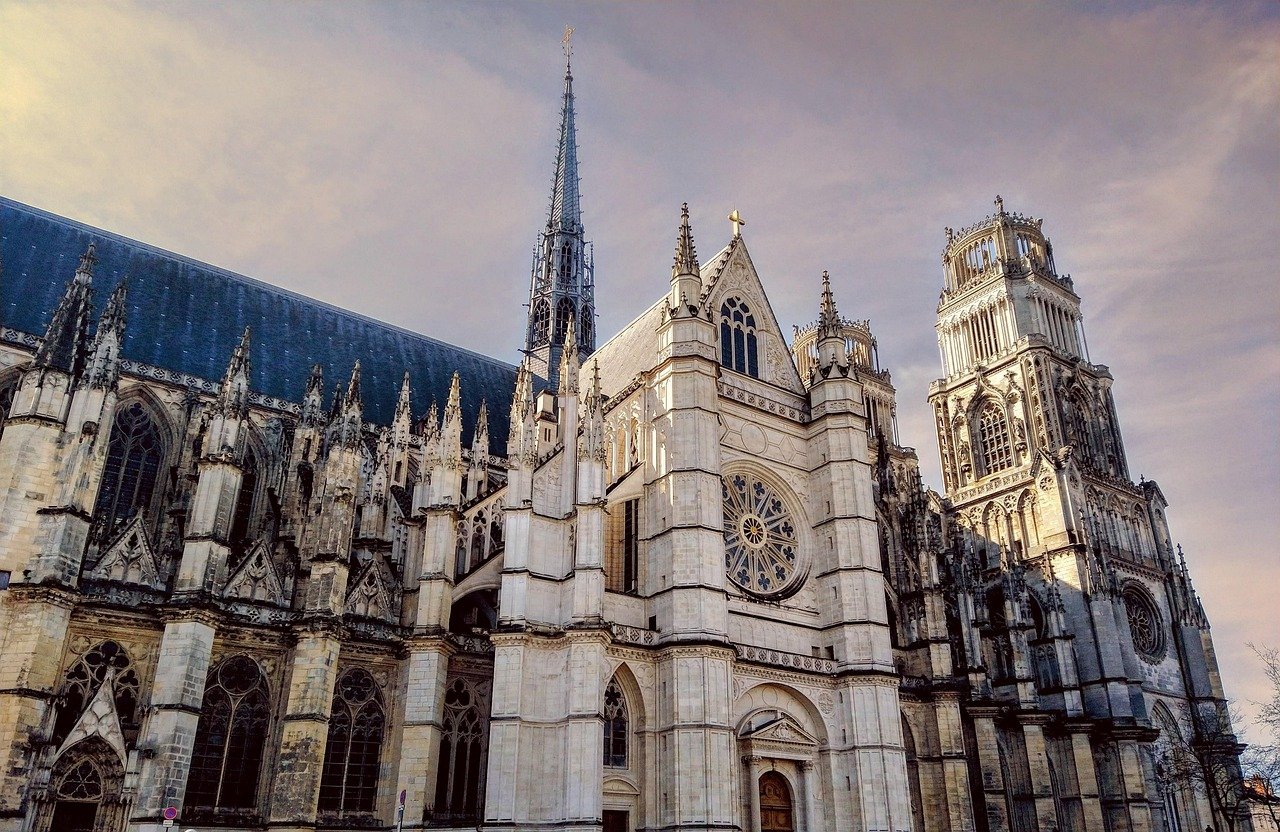
Historic Churches: Churches, with their unique architecture and large interiors, can be transformed into residences, galleries, or event spaces, keeping the essence of the original structure intact.
-
Civic Buildings: City halls and other government structures can be adapted for modern uses while preserving their historical context.
Design Considerations in Adaptive Reuse
-
Preserving Integrity: The original architecture should be respected. This may involve restoring existing facades or maintaining historical features like moldings or staircases.
-
Functionality vs. Aesthetics: Ensuring that a building meets modern needs without compromising its character is critical. This might include updating electrical and plumbing systems while preserving historical elements.
-
Regulatory Compliance: Adhering to building codes, zoning laws, and preservation regulations is essential. Developers often need to navigate complex legal frameworks.
-
Community Engagement: Involving the community in the adaptive reuse process can ensure that the new use aligns with local needs and desires. Public input can guide design choices and uses.
Notable Examples of Adaptive Reuse
-
The High Line, New York City: An elevated railway transformed into a public park. This project has become a landmark, attracting tourists and improving surrounding property values.
-
Tate Modern, London: A former power station converted into a leading modern art gallery, showcasing the potential for blending cultural significance with modern use.
-
Fulton Market, Chicago: A historic meatpacking district that has seen warehouses transformed into trendy restaurants, retail spaces, and residences, turning a previously industrial zone into a vibrant neighborhood.
Challenges in Adaptive Reuse
Despite its numerous benefits, adaptive reuse comes with challenges:
-
Structural Issues: Older buildings may require significant structural reinforcement or retrofitting to meet current safety standards.
-
Financial Constraints: The costs associated with renovation can sometimes exceed those of new construction. Securing funding or incentives is often a hurdle.
-
Hidden Discoveries: As renovations begin, unforeseen problems such as toxic materials (asbestos, lead paint) or outdated systems may arise, complicating the project scope.
-
Changing Market Demands: The needs of modern residents or businesses may differ significantly from what the original structure was designed for. Adapting to these changes while maintaining character can be complex.
The Future of Adaptive Reuse
As urbanization continues and the demand for sustainable living increases, adaptive reuse is poised to play an essential role. The intersection of historical preservation and modern needs creates opportunities for innovative design solutions.
-
Innovative Solutions: Architects and designers are increasingly finding creative methods to bridge old and new, integrating modern technologies while respecting historical features.
-
Community-Centric Developments: Future adaptive reuse projects may prioritize community engagement, ensuring that the transformed spaces reflect the local identity and serve the needs of residents.
-
Increased Awareness and Demand: With rising awareness about sustainability, more developers and investors are likely to favor adaptive reuse as an appealing alternative to traditional building practices.
Conclusion
Adaptive reuse encompasses far more than just architectural transformation; it symbolizes a broader movement towards sustainable living and historical preservation. It captures the essence of a place while breathing new life into it, encouraging a dialogue between past and present that is vital for the future of urban living. As cities continue to evolve, adaptive reuse projects will remain crucial in shaping resilient and vibrant communities.
