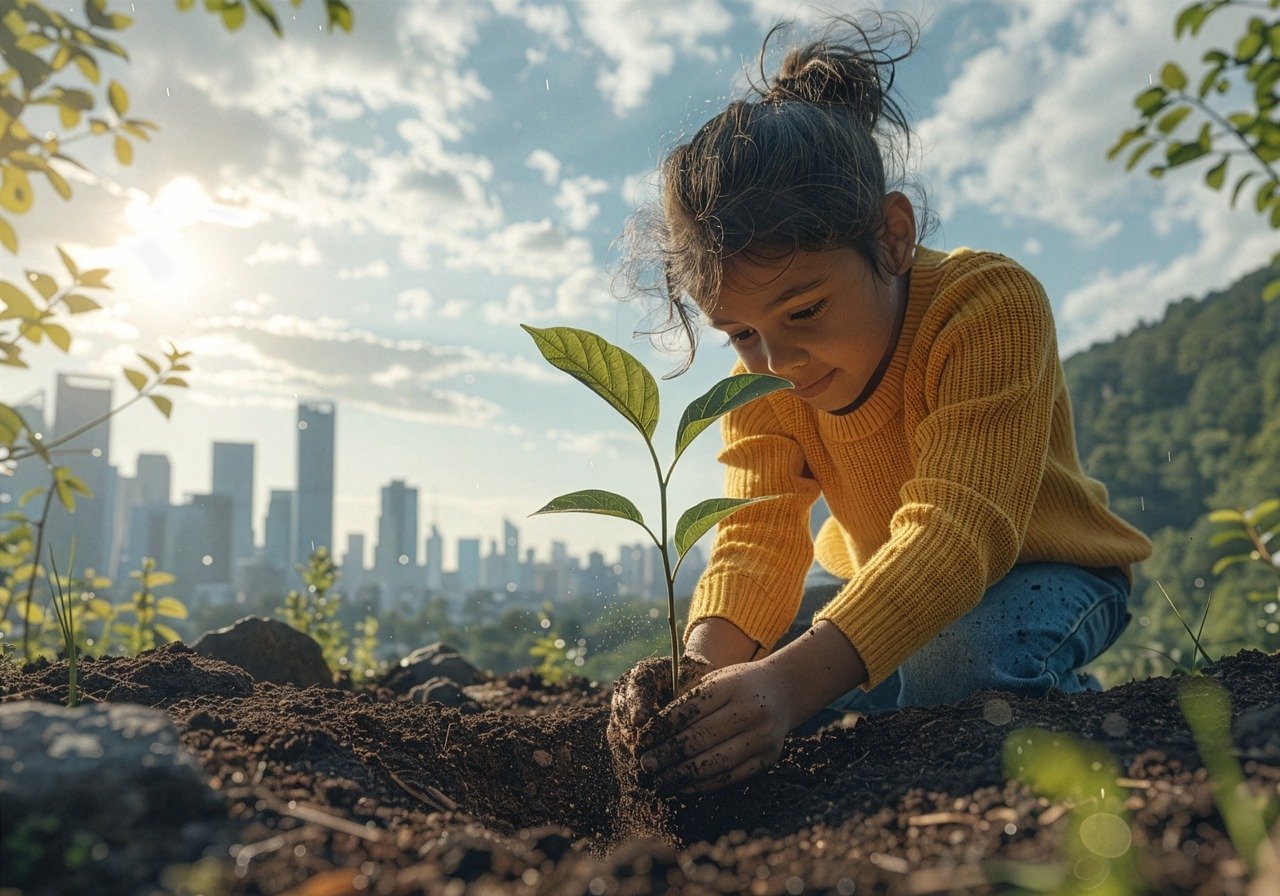

Green Communities: A New Dawn for Island Living
The Emergence of Green Communities
Green communities are transforming the way we perceive island living, emphasizing sustainable practices that harmonize with nature. These innovative approaches aim to reduce carbon footprints, conserve biodiversity, and create healthier environments. As islands are increasingly vulnerable to climate change, green communities provide a beacon of hope, demonstrating how sustainable living can be achieved while maintaining the unique charm of island life.
Key Principles of Green Communities
-
Sustainable Architecture and Design
At the heart of green communities is sustainable architecture that prioritizes eco-friendly materials and energy-efficient designs. Homes are often constructed with local, renewable resources and feature passive solar designs. Built-in natural ventilation systems reduce reliance on air conditioning while maximizing natural light. This results in homes that are not only visually appealing but also energy-efficient. -
Renewable Energy Sources
Harnessing renewable energy is crucial for green communities. Solar panels, wind turbines, and geothermal heating are commonly integrated into residential and commercial buildings. These technologies allow communities to reduce dependence on fossil fuels and lower energy costs, paving the way for a sustainable future. For example, many island communities have started implementing solar farms to meet their energy needs, decreasing both emissions and energy costs. -
Waste Management and Recycling
Effective waste management is essential in maintaining the health of island ecosystems. Green communities place a strong emphasis on waste reduction initiatives, including composting, recycling programs, and waste-to-energy systems. By engaging residents in these programs, communities can significantly lower their landfill contributions, minimize pollution, and foster a culture of sustainability. -
Water Conservation Techniques
Water scarcity is a pressing issue for many island communities. Green communities employ rainwater harvesting systems, greywater recycling, and drought-resistant landscaping techniques to ensure sustainable water usage. These practices help conserve precious freshwater resources while also maximizing efficiency in water management. -
Community Engagement and Education
The success of green communities relies heavily on resident engagement and education. Workshops and information sessions about sustainable living practices empower community members to adopt eco-friendly lifestyles. Collaborative efforts, such as community gardens and local clean-up events, foster a sense of belonging and collective responsibility for the environment.
Biodiversity Preservation
Green communities play an essential role in preserving island biodiversity. The unique flora and fauna of island ecosystems are often threatened by development and pollution. Strategies employed include the protection of natural habitats, the creation of wildlife corridors, and the use of native plants in landscaping to support local ecosystems. Additionally, educational programs can help residents understand the importance of biodiversity and their role in preserving it.
Transportation Solutions
Sustainable transportation is a critical component of green communities. Car-centric infrastructure contributes to pollution and traffic congestion, particularly in small island settings. Promoting walking, cycling, and the use of public transit significantly reduces emissions. Some communities have introduced electric vehicle charging stations and bike-sharing programs, making alternative transportation options more accessible to residents and tourists alike.
Local Food Production
Encouraging local food production is vital in reducing the carbon footprint associated with transporting food long distances. Green communities typically support organic farming initiatives, community gardens, and local farmers’ markets. These efforts not only provide fresh, healthy food options but also strengthen community ties and promote sustainable agricultural practices. Moreover, integrating permaculture techniques helps maintain soil health and preserve water resources.
Economic Development through Sustainability
Economic sustainability is a cornerstone of green communities. By prioritizing eco-tourism, sustainable agriculture, and renewable energy jobs, communities can create job opportunities while preserving their natural beauty. Developing sustainable businesses generates income and supports local economies, attracting residents and tourists who value responsibly managed environments.
Technology and Innovation
Advancements in technology are paving the way for smarter, greener communities. Implementing smart grid technologies allows for efficient energy management, while IoT devices can monitor water usage and energy consumption. Innovative solutions such as vertical farming and aquaponics are gaining traction in many green communities, contributing to food security and reduced waste.
Global Case Studies of Green Communities
Around the world, several exemplary green communities illustrate the potential of sustainable island living:
-
Delft Island, Sri Lanka
Known for its innovative use of solar power and community-based agriculture, Delft Island has embraced sustainability. Residents engage in cooperative farming, which not only promotes food security but also preserves traditional practices. -
Ecovillage Ithaca, New York
While not an island in the traditional sense, this community has adopted principles that resonate with island living. Ecovillage Ithaca features energy-efficient homes, extensive green spaces, and a focus on community connectivity, proving that sustainable living is achievable anywhere. -
Vancouver Island, Canada
Several municipalities on Vancouver Island have set ambitious goals for carbon neutrality and waste reduction. These efforts include comprehensive recycling programs, investment in green technologies, and educational initiatives that encourage sustainable practices among residents and visitors alike.
The Role of Government and Policy
Strong support from government policies is essential for the success of green communities. Comprehensive planning regulations, grants for renewable energy projects, and incentives for sustainable housing are some ways local governments can support these initiatives. Engagement with policymakers can facilitate cooperation among community members, businesses, and local governments, creating a holistic approach to sustainability.
Challenges Facing Green Communities
Despite numerous benefits, green communities face challenges including funding limitations, resistance to change, and the complexity of implementing sustainable practices. Addressing these obstacles requires innovative thinking, collaboration, and persistence. Community leaders can advocate for sustainable policies, secure funding for green projects, and engage residents in conversations about the importance of sustainability.
Future Outlook
As climate change continues to threaten island ecosystems, the concept of green communities is likely to gain momentum. By harnessing local resources, empowering residents, and fostering innovative practices, these communities stand as a testament to resilience and creativity. The shift toward sustainability not only ensures the well-being of current residents but also protects the natural beauty that attracts future generations.
Ultimately, the vision of green communities harmonizes modern living with the preservation of nature, creating vibrant ecosystems where both people and the planet can thrive. Preparing for this paradigm shift brings excitement and promise for those who call these islands home, marking the dawn of a new era for island living.
