
Understanding Industrial Zoning Trends in Major Manufacturing Districts
What is Industrial Zoning?
Industrial zoning is a regulatory mechanism that governs land usage in manufacturing districts. Zoning laws dictate what types of industries can occupy particular areas, taking into consideration factors such as environmental impact, infrastructure capacity, and community welfare. This type of zoning plays a crucial role in shaping the economic landscape of a city, influencing where factories, warehouses, and distribution centers can be established.
Types of Industrial Zoning
-
Light Industrial Zone (LI): These zones accommodate businesses that have less environmental impact, such as manufacturing, warehouses, research facilities, and assembly plants. They typically allow for a mix of uses, including office space.
-
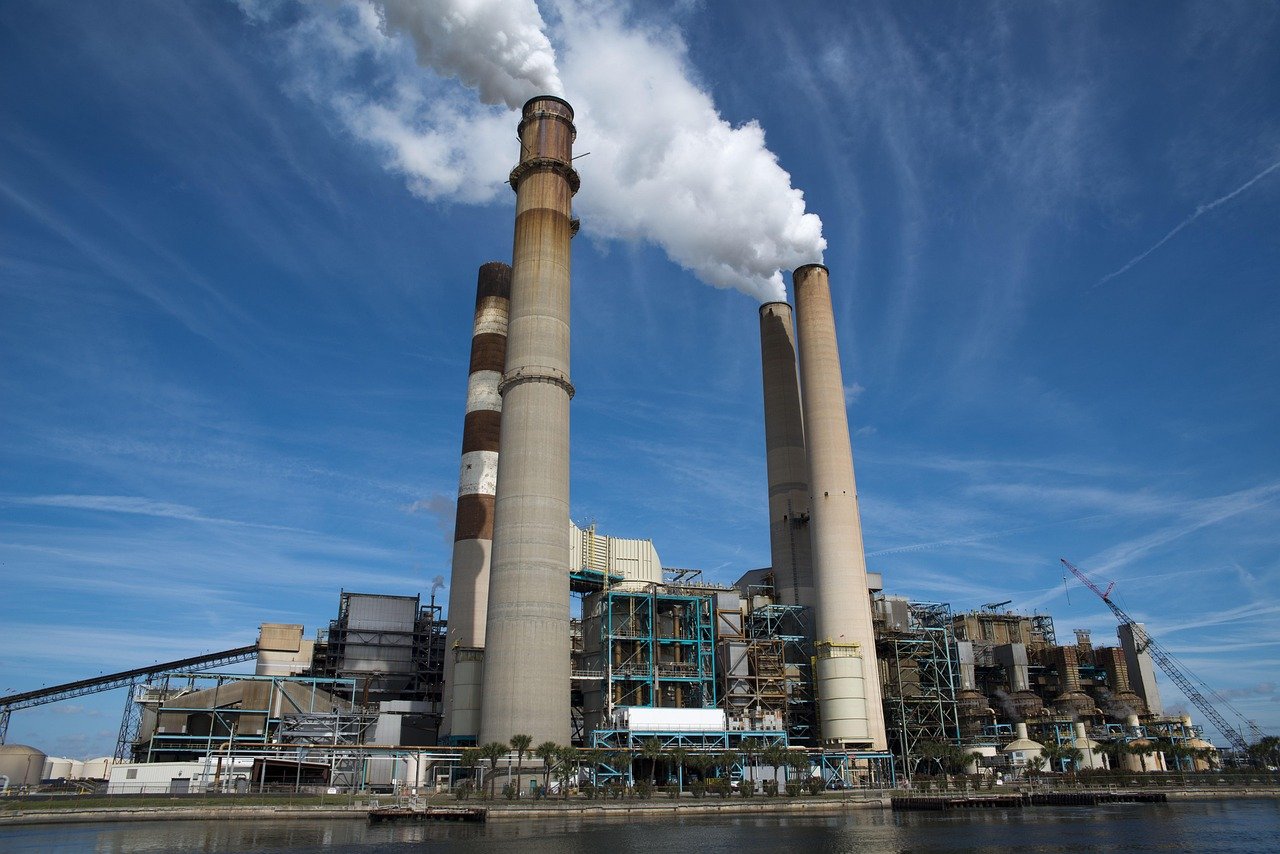
Heavy Industrial Zone (HI): These areas are designated for more intensive manufacturing processes that might produce noise, pollutants, or other disturbances. Heavy industries such as metallurgy, chemical production, and large-scale manufacturing typically find placement in HI zones.
-
General Industrial Zone (GI): This flexible zone may include a mixture of light and heavy industrial uses. It offers opportunities for mixed-use developments and is often strategically located to facilitate logistics and distribution.
-
Special Purpose Zones: Some areas may be specifically designated for industries like technology, renewable energy, or logistics, responding to market demands and urban planning goals.
Factors Influencing Industrial Zoning Trends
1. Economic Development Patterns
The rise and fall of various economic sectors directly influence zoning trends. Emerging industries such as e-commerce logistics, technology, and renewable energy demand specific zoning considerations. Cities increasingly rezone areas formerly dedicated to manufacturing to accommodate new types of industrial uses that align with current economic trends.
2. Environmental Regulations
Sustainability and environmental stewardship significantly shape industrial zoning. Governments are enacting stricter regulations to mitigate pollution and promote green technology. Zoning laws may require buffer zones, green spaces, and infrastructure that supports environmentally friendly practices, thereby encouraging developers to adopt sustainable methods.
3. Urbanization and Infrastructure Improvements
Urban growth often leads to shifts in industrial zoning as cities expand. Industrial zones are typically strategically placed near major transportation routes, such as highways, railroads, and ports, facilitating logistics and distribution. Recent trends show a renewed focus on redeveloping urban areas closer to existing infrastructure and developing transit-oriented manufacturing hubs.
4. Technological Advancements
The introduction of automation and Industry 4.0 has transformed manufacturing processes. Facilities need to be designed to accommodate advanced machinery and digital systems. Zoning regulations are beginning to reflect these technological changes by allowing for greater flexibility in building styles and land use.
Case Studies of Major Manufacturing Districts
1. Industrial Growth in Southeast Asia
Southeast Asia has experienced rapid growth in manufacturing due to favorable zoning regulations, economic incentives, and a young workforce. Countries like Vietnam and Thailand are attracting investments in manufacturing, particularly in electronics and textiles. Governments are facilitating this growth by creating special economic zones with relaxed zoning regulations, enabling efficient supply chains.
2. The Tech Industry in the San Francisco Bay Area
In the Bay Area, industrial zoning has evolved to support tech and light manufacturing. Areas like South San Francisco have transformed under new zoning laws to accommodate biotech firms and technology startups. Local governments are investing in infrastructure improvements which have prompted a shift in zoning to facilitate this growth—making it clear that industrial zones can adapt to changing economic landscapes.
3. The Rust Belt Revival: Cleveland, Ohio
Cleveland is witnessing a renaissance driven by innovative manufacturing and advanced technologies. The city has implemented targeted zoning changes to stimulate industrial growth while enhancing transportation networks. This revitalization emphasizes adaptive reuse of old factories and infrastructure to accommodate modern industrial needs, reflecting a trend toward sustainable urban redevelopment.
Emerging Trends in Industrial Zoning
1. Mixed-Use Developments
Zoning trends are increasingly accommodating mixed-use developments that integrate residential, commercial, and industrial spaces. This approach offers a solution to the pressing need for urban housing alongside the demand for industrial capacity, creating vibrancy in manufacturing districts.
2. Adaptive Reuse and Regeneration
As cities grapple with declining industrial sectors, adaptive reuse of existing structures is becoming a frequent zoning choice. Factories previously operating during the industrial boom are repurposed for modern technology and startup culture. Zoning regulations are adjusting to facilitate these transformations, allowing for residential and commercial uses alongside light industrial activities.
3. Smart Manufacturing Zones
The concept of “smart manufacturing” is reshaping zoning laws to encompass modern technologies. Smart zones are designed with advanced connectivity, data infrastructure, and energy-efficient regulations to support high-tech industries. Local governments are recognizing the competitive edge offered by tech-driven industrial facilities and are adjusting zoning laws accordingly.
4. Enhanced Environmental Standards
With the increasing importance of sustainability, more stringent environmental regulations are being integrated into zoning laws. Industrial facilities are being encouraged to adopt eco-friendly practices, with zoning adaptations being employed to incentivize green technologies and reduce carbon footprints.
5. Land Use Conflicts and Community Engagement
As urban spaces become denser, land use conflicts between industrial, residential, and commercial interests are escalating. Cities are fostering community engagement in zoning decisions, leading to a more collaborative approach that seeks to balance the needs of residents with industrial growth. This trend highlights the importance of stakeholder involvement in zoning processes.
Conclusion
Understanding industrial zoning trends is critical for stakeholders, including developers, urban planners, and local governments, striving to navigate the complex landscape of major manufacturing districts. Factors such as economic development, environmental regulations, and technological advancements are continuously shaping industrial zoning, driving innovation and growth in urban landscapes. Adapting to these trends ensures that cities remain competitive while promoting sustainable and balanced development.
