
Sustainability: Eco-Friendly Living on US Islands
The Importance of Sustainability
Sustainability refers to practices that meet present needs without compromising future generations’ ability to meet theirs. As climate change intensifies, the focus on eco-friendly living has never been more urgent, particularly in vulnerable regions such as U.S. islands.
Renewable Energy Sources
One of the cornerstones of sustainable living on islands is the use of renewable energy sources. Islands often rely on imported fossil fuels, which create both economic and environmental challenges. Embracing solar, wind, tidal, and geothermal energy can significantly reduce carbon footprints.
Solar Energy: Islands like Hawaii lead in solar energy initiatives. Rooftop solar panels and community solar farms are becoming mainstream. Programs such as Hawaii’s Feed-in Tariff have incentivized homeowners to invest in renewable solutions.
Wind Energy: Wind farms can harness the consistent breezes found in many coastal areas. The U.S. Virgin Islands and Puerto Rico are exploring the viability of wind turbines to supply clean energy.
Tidal Energy: States like Alaska and parts of Washington are investigating tidal energy, capitalizing on the natural tides around their coastal regions. Given their geographical benefits, islands could become pioneers in this emerging sector.
Water Conservation Techniques
With limited freshwater resources on islands, efficient water usage is paramount. Eco-friendly living strategies must prioritize water conservation techniques to ensure sustainability.
Rainwater Harvesting: Collecting rainwater for household use is an effective strategy. This not only provides an alternative water source but also reduces reliance on municipal systems.
Desalination Technologies: Innovations in desalination are crucial for islands surrounded by oceans. Although energy-intensive, modern developments are making this technology more efficient and feasible.
Greywater Recycling: Using greywater from sinks, showers, and washing machines for irrigation can significantly conserve fresh water. Many American islands are implementing systems for recycling greywater in their homes and community gardens.
Sustainable Agriculture Practices
Sustainable agriculture on islands is essential for reducing reliance on imported food and strengthening local economies. By utilizing eco-friendly farming methods, islands can enhance food security.
Permaculture Design: This approach mimics natural ecosystems to create sustainable agricultural systems. Techniques such as companion planting and organic farming help protect biodiversity while maximizing yields.
Agroforestry: Combining agriculture with forestry allows for diversified crops and improved soil health. Islands like Puerto Rico are incorporating agroforestry methods to restore ecosystems while providing food.
Community Supported Agriculture (CSA): Supporting local farmers through CSAs fosters a direct relationship between consumers and producers, reducing carbon footprints linked to transport and packaging.
Eco-Friendly Construction
Building sustainably is crucial in island communities, where environmental impact can be detrimental. Eco-friendly construction utilizes materials and techniques that minimize carbon output.
Sustainable Materials: Utilizing locally sourced, renewable materials reduces the carbon footprint of shipping. Bamboo, reclaimed wood, and recycled materials are excellent options that many islands are exploring.
Green Certifications: Following guidelines from organizations such as the U.S. Green Building Council (USGBC) helps developers ensure buildings meet sustainability criteria, including energy efficiency and sustainable materials usage.
Natural Cooling Techniques: In tropical climates, energy-efficient designs that promote natural ventilation and shading can reduce the need for air conditioning. This approach not only cuts energy costs but also enhances indoor air quality.
Waste Management Solutions
Effective waste management is a pressing challenge for many islands due to limited landfill space. Implementing eco-friendly waste solutions is essential for sustainability.
Recycling Programs: Establishing robust recycling initiatives encourages residents to properly sort waste. Islands like the Virgin Islands have initiated recycling programs to minimize landfill contributions.
Composting: Composting organic waste reduces the overall waste burden and enriches soil. Communities can set up communal composting to enable effective organic waste management.
Waste-to-Energy Technologies: Innovative waste-to-energy solutions convert trash into energy, addressing waste management while generating power. This dual approach is being explored on islands, reducing landfill needs while generating electricity.
Transportation Challenges and Solutions
Transportation on islands often relies on fossil fuels, which raises environmental concerns. Transitioning to sustainable modes of transport can significantly reduce emissions.
Electric Vehicles (EVs): Promoting the use of electric and hybrid vehicles can mitigate the carbon footprint of personal transportation. Governments can provide incentives to choose EVs over traditional gasoline-powered cars.
Bicycling and Walking Infrastructure: Creating bike lanes and pedestrian-friendly pathways can encourage eco-friendly transport options. Islands like Key West are developing infrastructure to support non-motorized transport.
Public Transit Systems: An efficient public transport system reduces the need for personal vehicles. Initiatives that incorporate eco-friendly buses and carpooling services can alleviate traffic congestion while promoting sustainability.
Community Engagement and Education
Sustaining eco-friendly living on U.S. islands requires collective community efforts and awareness. Educating residents about sustainability practices is vital.
Workshops and Training Programs: Organizing workshops focused on sustainable practices—like gardening, renewable energy installations, and waste reduction—can empower communities to participate in sustainability.
Youth Programs: Engaging schools in sustainability projects fosters a culture of conservation from an early age. Programs can include beach clean-ups, gardening initiatives, and environmental education curricula.
Local Campaigns: Promoting local green initiatives through community events raises awareness and encourages participation. By spotlighting successful eco-projects, communities can inspire others to adopt sustainable practices.
Policy and Government Initiatives
Government policies play a critical role in promoting sustainability. Effective legislation can facilitate the transition to an eco-friendly living on U.S. islands.
Incentives for Renewable Energy: Tax breaks and subsidies for businesses and residents that invest in renewable energy projects encourage broader participation.
Land Use Planning: Implementing policies that prioritize sustainable land use ensures that development projects align with ecological conservation efforts.
Partnerships with NGOs: Collaborating with non-governmental organizations (NGOs) can enhance resource availability for sustainability projects. NGOs provide technical assistance, funding, and expertise to foster eco-friendly initiatives.
The Role of Tourism
Tourism is a significant industry for many U.S. islands, but it poses challenges for sustainable living. Promoting eco-friendly tourism can mitigate negative impacts.
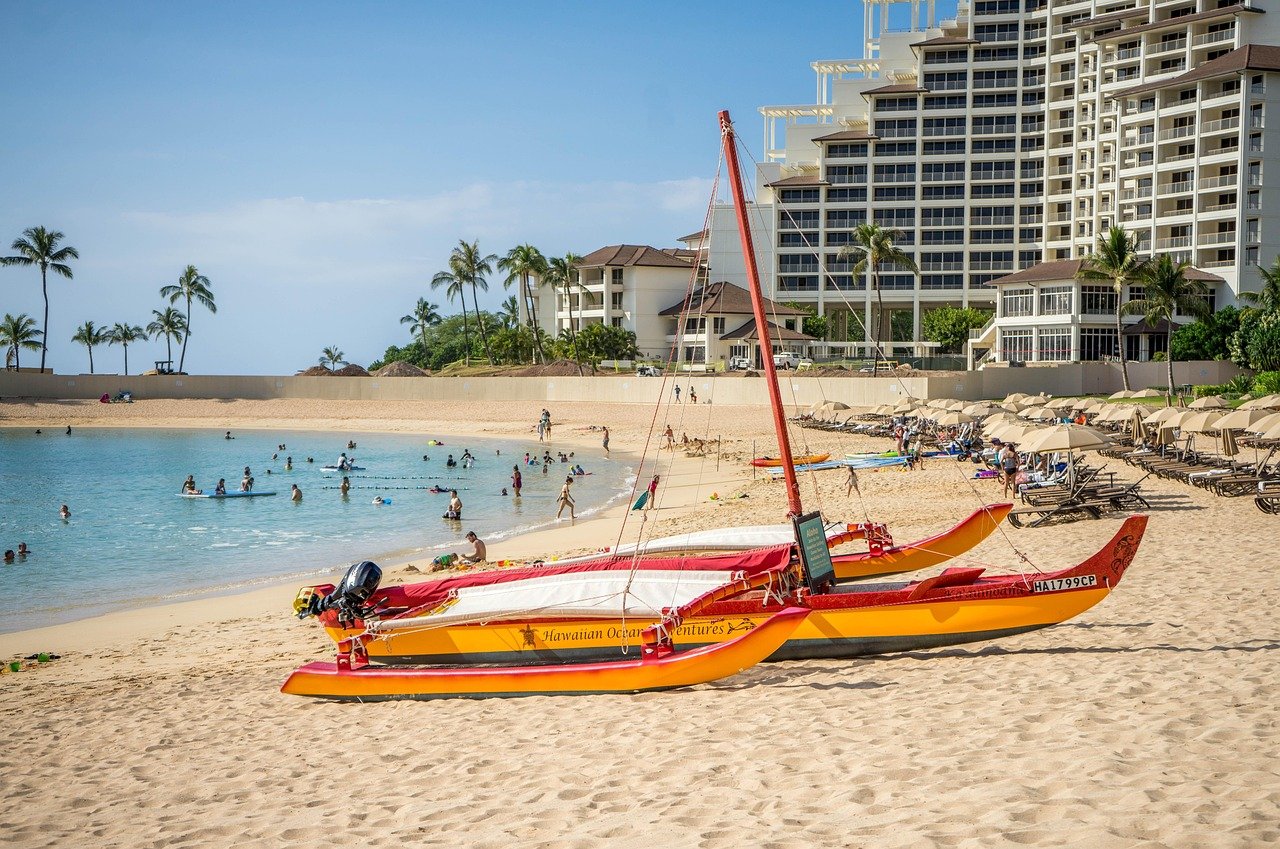
Eco-Tourism Initiatives: Encouraging eco-friendly accommodations and activities offers tourists immersive experiences while protecting natural resources. Sustainable resorts in islands like Hawaii demonstrate this blend of tourism and conservation.
Awareness Campaigns: Informing tourists about local ecological issues and their role in sustainability can influence responsible behavior, fostering a sustainable tourism model.
Collaboration with Local Businesses: Partnerships between local businesses and tourism operators can promote sustainable practices, enhancing visitor experiences while prioritizing community welfare.
Conclusion on Sustainable Living
With innovative solutions, community engagement, and strong policies, U.S. islands can champion eco-friendly living. The transition to sustainable practices is not just a necessity; it is an opportunity for these unique communities to lead by example. Through concerted efforts in renewable energy, waste management, and sustainable tourism, islands can preserve their natural beauty for future generations.
