
The Art of Luxury Home Design: Key Features for Today’s Buyers
1. Open Floor Plans
One of the most coveted features in luxury home design is the open floor plan, which creates an inviting and spacious environment. Combining living, dining, and kitchen areas allows for seamless flow and enhances natural light. This design choice not only promotes a sense of community but also caters to modern lifestyles where entertaining guests is a priority. Incorporating large windows and sliding glass doors can help to maintain an indoor-outdoor connection, further amplifying the sense of space.
2. Gourmet Kitchens
A hallmark of luxury homes is the gourmet kitchen, which rivals the cooking space of professional chefs. Key elements such as high-end appliances, such as Sub-Zero refrigerators, Wolf ranges, and other top brands, are essential in elevating this space. Custom cabinetry, expansive island countertops made of high-quality materials like quartz or granite, and stylish backsplashes enhance both functionality and aesthetics. A kitchen that includes a butler’s pantry or an adjoining wine cellar can provide additional appeal to discerning buyers.
3. Master Suites
The master suite is more than just a bedroom; it serves as a personal retreat. Spaciousness is key, with ample room for a king-sized bed and additional furniture pieces like seating areas or reading nooks. Luxury features might include walk-in closets equipped with custom storage solutions, spa-like en-suite bathrooms, heated floors, rain showers, and soaking tubs with exquisite views. Incorporating smart home technology for lighting, temperature control, and security can also enhance the luxurious experience.
4. Smart Home Technology
Automation is becoming increasingly significant in luxury homes. Smart home technology enables homeowners to seamlessly control lighting, heating, security systems, and audio/visual equipment through mobile devices or voice commands. Integrating smart systems with energy-efficient features such as solar panels not only enhances convenience but also aligns with the preferences of today’s eco-conscious buyers. Home automation can elevate security measures with smart locks, surveillance cameras, and advanced alarm systems, providing peace of mind.
5. Outdoor Living Spaces
When it comes to luxury home design, outdoor living spaces are essential for creating an extended living area. Buyers are increasingly looking for outdoor kitchens, dining areas, and living rooms complete with comfortable furniture, outdoor fireplaces, and elegantly designed landscaping. Infinity pools and hot tubs offer a resort-like experience, while the addition of features such as fire pits or water features can enhance the ambiance. Utilizing high-quality materials such as composite decking, stone, and durable outdoor fabrics ensures longevity against the elements.
6. Sustainable Design
Sustainability is a growing trend in luxury home design. Buyers are increasingly interested in homes that utilize environmentally friendly materials, energy-efficient systems, and sustainable practices. Key features include high-performance insulation, Energy Star-rated appliances, and solar panels. Water conservation methods, such as rainwater harvesting systems and xeriscaping, also appeal to eco-conscious homeowners. Homes that incorporate sustainable design not only reduce environmental impact but can also provide significant cost savings in utility bills.
7. Luxurious Bathrooms
A luxurious bathroom is a fundamental aspect of high-end home design. Features such as dual vanities, walk-in showers with multiple showerheads, and soaking tubs with natural stone surrounds create a tranquil, spa-like atmosphere. Heated towel racks, smart toilets with bidet functions, and integrated speaker systems are increasingly popular in modern designs. The use of high-quality materials, like marble countertops, ceramic tiling, and custom cabinetry, adds a touch of sophistication while ensuring durability.
8. High-Quality Finishes
Attention to detail can set luxury homes apart from their more modest counterparts. High-quality finishes are crucial in portraying elegance and sophistication. From hand-scraped wooden floors and bespoke cabinetry to unique light fixtures and intricate crown molding, these details contribute to the overall aesthetic. The selection of finishes should reflect the home’s architectural style—be it contemporary, traditional, or coastal—providing cohesion throughout the space.
9. Dedicated Home Offices
With the rise of remote work and flexible hours, dedicated home offices have become essential in luxury design. These spaces should be thoughtfully designed to enhance productivity, complete with ergonomic furniture, soundproofing, and ample natural light. Consider incorporating custom built-ins for organization and storage. A well-designed office can also serve as a dual-purpose space, allowing for meetings or inspiring creativity with views of the outdoors.
10. Multi-Functional Spaces
Luxury homes should cater to versatility. Multi-functional spaces enable homeowners to adapt areas according to their needs. For example, a guest room can be transformed into a gym or a media room. The use of high-quality, stylish furniture that can be easily rearranged or stored is essential. Considerations for flexible layouts, such as movable walls or foldable partitions, can enhance the appeal of these areas.
11. Architectural Features
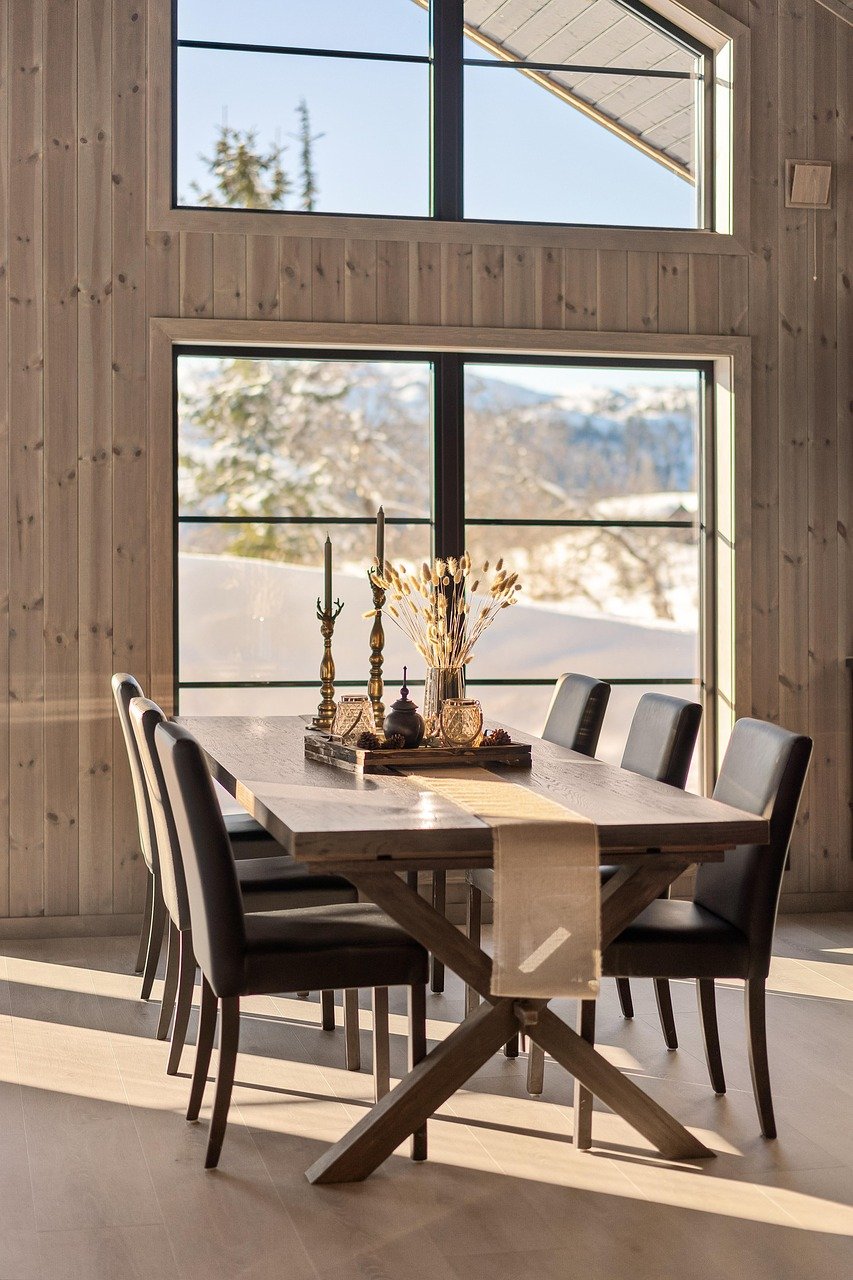
Distinctive architectural elements can significantly enhance luxury home design. Features such as vaulted ceilings, elaborate moldings, and statement staircases create a dramatic effect that captivates. Furthermore, the incorporation of natural elements like stone walls, open beams, and large atriums adds character and warmth. These features contribute to a home’s overall aesthetic and can set it apart in a competitive market.
12. Personal Touches
While luxury design often prioritizes high-end features, personal touches are what truly make a house feel like home. Custom artwork, family heirlooms, and unique design elements reflective of the homeowner’s tastes can elevate the ambiance. Each space should tell a story through thoughtful decor choices and personalized design, ensuring that the home resonates with its inhabitants while aligning with luxury trends.
13. Community and Location
Finally, luxury home buyers are often drawn to communities that offer a desirable lifestyle. Proximity to high-end shopping, gourmet dining, excellent schools, and recreational facilities can enhance the overall appeal. Gated communities with added security and amenities, such as gyms or country clubs, are often preferred. When designing luxury homes, it’s essential to consider how these external factors can influence buyer interest and satisfaction.
By focusing on these key features, luxury home design can successfully capture the attention of today’s discerning buyers. The art of creating a luxurious living space involves a blend of practicality, aesthetic beauty, and personal touch, ensuring that the property not only meets but exceeds expectations. Each thoughtfully chosen element contributes to a harmonious environment that embodies comfort, sophistication, and timeless elegance.
