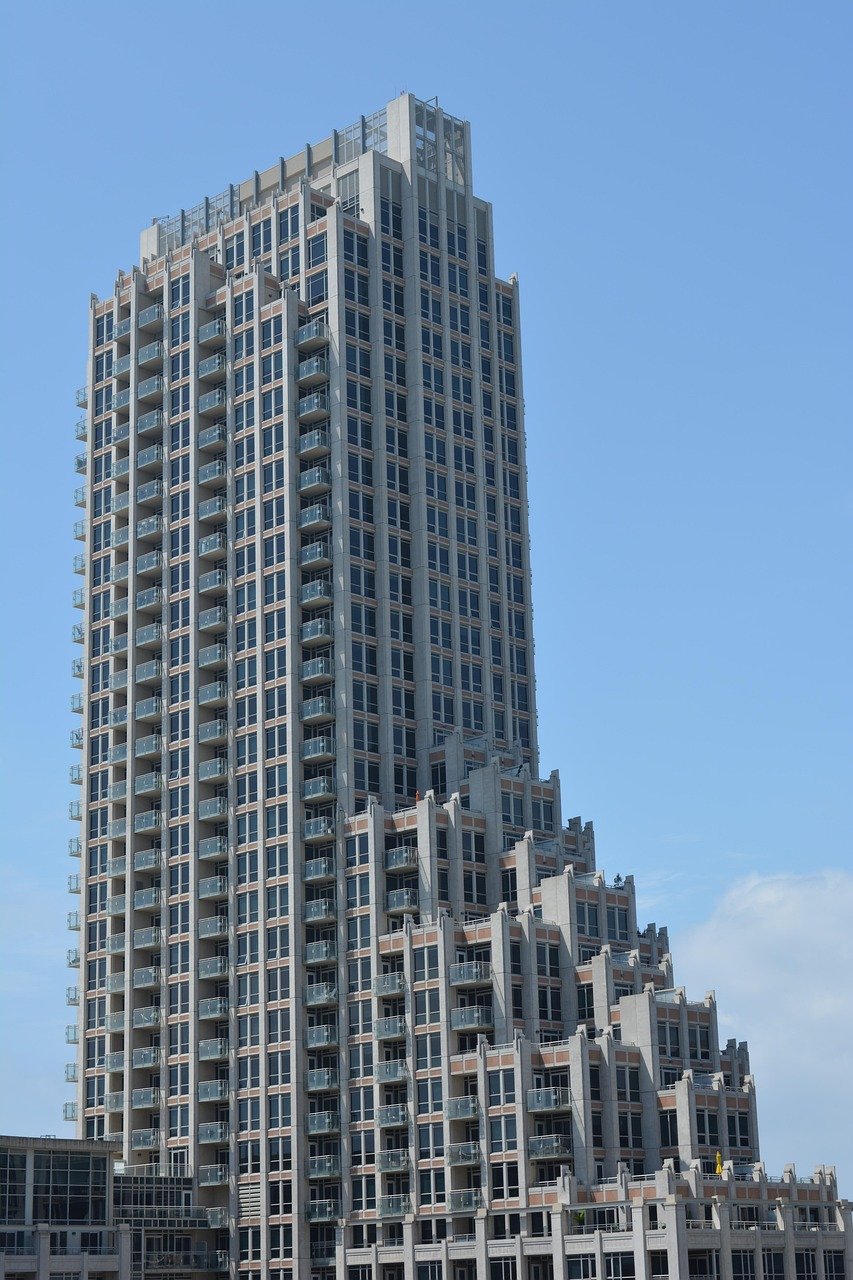

City Living for Families: How Urban Apartments are Evolving
The Rise of Urban Family Living
Urban living has long been associated with singles and young professionals, but a noticeable shift is occurring. Families are increasingly gravitating towards city apartments, driven by the allure of job opportunities, educational institutions, and cultural amenities. As this trend grows, developers and architects are rethinking urban apartment design to better accommodate the diverse needs of families.
Space Efficiency: Maximizing Urban Footprints
One of the primary challenges of urban living is space. Traditional apartments were often smaller and less functional, which can be a drawback for families needing to balance comfort with practicality. In response, architects and interior designers are creating innovative layouts that maximize space without sacrificing comfort.
Open-Plan Living
The transition from segmented rooms to open-plan living has become a popular solution, allowing families to utilize their living areas more flexibly. This design choice promotes family interaction, enabling parents to cook while keeping an eye on their children. Multi-functional furniture, such as expandable dining tables and convertible sofas, further enhances space efficiency, making it easier for families to host gatherings.
Smart Storage Solutions
Temporary living space does not mean families have to compromise on storage. Today’s urban apartments often feature built-in shelving units, under-stair storage, and creative use of wall space to maximize storage capacity. These thoughtful design choices help keep living spaces organized and clutter-free, essential for busy family life.
Safe and Functional Environments
Safety and functionality are paramount when it comes to family-friendly living. Urban developers have adapted by integrating features that enhance both.
Child-Friendly Amenities
New apartment complexes are increasingly designed with families in mind, offering amenities like children’s playrooms, game rooms, and outdoor playgrounds. These communal spaces encourage neighbors to socialize while allowing children to play in a secure environment. Additionally, many urban apartments now include gated entries, secure parking, and on-site security to provide peace of mind for families.
Sustainable and Health-Conscious Design
Modern urban apartments are also incorporating eco-friendly materials and energy-efficient technologies to create healthier living environments. Features like improved air filtration systems, water-saving fixtures, and energy-efficient appliances not only reduce utility costs but also promote well-being. Many new developments are built with non-toxic materials to ensure the safety of children and parents alike.
Community Building and Connectivity
Living in a city is about more than just the apartment; it’s about the community. Urban designers increasingly recognize the importance of social interaction, which fosters a supportive network for families.
Accessible Public Spaces
Creating accessible public spaces is pivotal for promoting community engagement. Urban planners are ensuring that parks, plazas, and communal gardens are integrated within residential areas. These spaces not only encourage outdoor activity but also serve as venues for community events, enhancing residents’ social networks.
Proximity to Essential Services
Urban living allows families access to essential services like schools, healthcare, and retail. Many modern apartments are strategically located near quality schools or public transport hubs, making commutes easier for parents and reducing transit times for children. This convenience is a significant draw for families looking to balance work and home life.
Technological Integration
Technology continues to influence the way families live in urban settings. Smart home systems are becoming increasingly prevalent, allowing families to automate and control various aspects of their living environment.
Home Automation
Smart home technologies, such as intelligent lighting, heating, and security systems, cater to the busy lifestyles of families. These innovations provide enhanced comfort, enhance safety, and allow for energy management. Parents can monitor their homes remotely, ensuring peace of mind even when they are miles away.
Virtual and Augmented Reality
Innovations such as virtual and augmented reality are revolutionizing how families envision their living spaces. Homebuyers can now take virtual tours or visualize modifications in real-time, making it easier to choose a space that meets their family’s needs and preferences.
The Importance of Green Spaces
As families flock to urban centers, the importance of green spaces cannot be overstated. Urban apartments are being designed with integrated green spaces, encouraging families to connect with nature amidst the urban environment.
Rooftop Gardens and Balconies
Many urban apartments now feature rooftop gardens, community gardens, or private balconies, providing essential green space for families to nurture plants, engage in outdoor activities, or simply relax. These green spaces can serve as small oases, crucial for mental and physical health.
Urban Farming Initiatives
An emerging trend is the inclusion of urban farming initiatives within residential areas. Some developments offer communal garden plots or designated areas for family gardening, teaching children valuable skills about sustainability, environmental responsibility, and healthy eating.
Adapting to Family Dynamics
Urban living is continuously evolving, catering to the changing dynamics of family life.
Flexible Living Spaces
Many families today are more diverse, comprising single parents, blended families, and multigenerational households. In response, urban apartment designs are becoming more adaptable, allowing spaces to transform based on family structure. Flexible rooms that can serve multiple purposes—like a guest room that doubles as an office—are gaining popularity.
Education and Cultural Opportunities
Educational facilities and cultural amenities play a pivotal role in families’ decisions to live in urban spaces.
Proximity to Educational Institutions
Urban apartments often position families near reputable schools, libraries, and cultural institutions, fostering an environment where children can thrive academically and socially. Educational opportunities directly influence family satisfaction and contribute significantly to the appeal of urban living.
Community Engagement through Culture
City living offers unique cultural experiences, such as museums, theaters, and art galleries. Families can engage in cultural activities, enriching their lives with diverse experiences. Developers now often collaborate with local communities to provide art installations or cultural workshops within residential complexes, adding further value to family living.
Conclusion
As urban apartments continue to evolve, they are becoming increasingly accommodating for families. With innovative designs focused on maximizing space, safety, functionality, and community engagement, city living presents a compelling option for modern families seeking an enriched life in urban settings. The synergy of technological advancements and community-focused planning positions urban living as a viable and attractive choice for families of all shapes and sizes.
