
The Future of Island Living: Eco-Conscious Developments in the U.S.
The idyllic image of island living has long captivated the imagination, symbolizing tranquility, natural beauty, and a slower pace of life. However, as the realities of climate change and overdevelopment loom larger, island communities across the United States are reevaluating their futures. Eco-conscious developments are emerging as a crucial element in harmoniously blending lifestyle aspirations with environmental responsibilities. In this article, we explore the innovations and trends shaping the future of island living in the U.S., emphasizing sustainability and eco-friendliness.
Sustainable Design and Construction
Sustainable architecture designs play a pivotal role in eco-conscious developments. The emphasis on energy-efficient designs includes the use of passive solar techniques, where buildings are strategically oriented to maximize natural light and reduce energy consumption. Materials sourced locally and sustainably are increasingly favored, minimizing transportation emissions and supporting local economies.
One notable example is the practice of using reclaimed materials. This approach does not only reduce waste but also adds character and uniqueness to the structures. The incorporation of green roofs and living walls offers additional insulation while promoting biodiversity, providing habitats for various species, and improving air quality.
Renewable Energy Solutions
As energy consumption on islands can be exorbitant, renewable energy solutions are vital. Solar panels have become ubiquitous, with both homeowners and developers opting for photovoltaic technology to harness the sun’s endless potential. Many eco-conscious projects now feature microgrid systems, allowing them to operate independently of the main power grid.
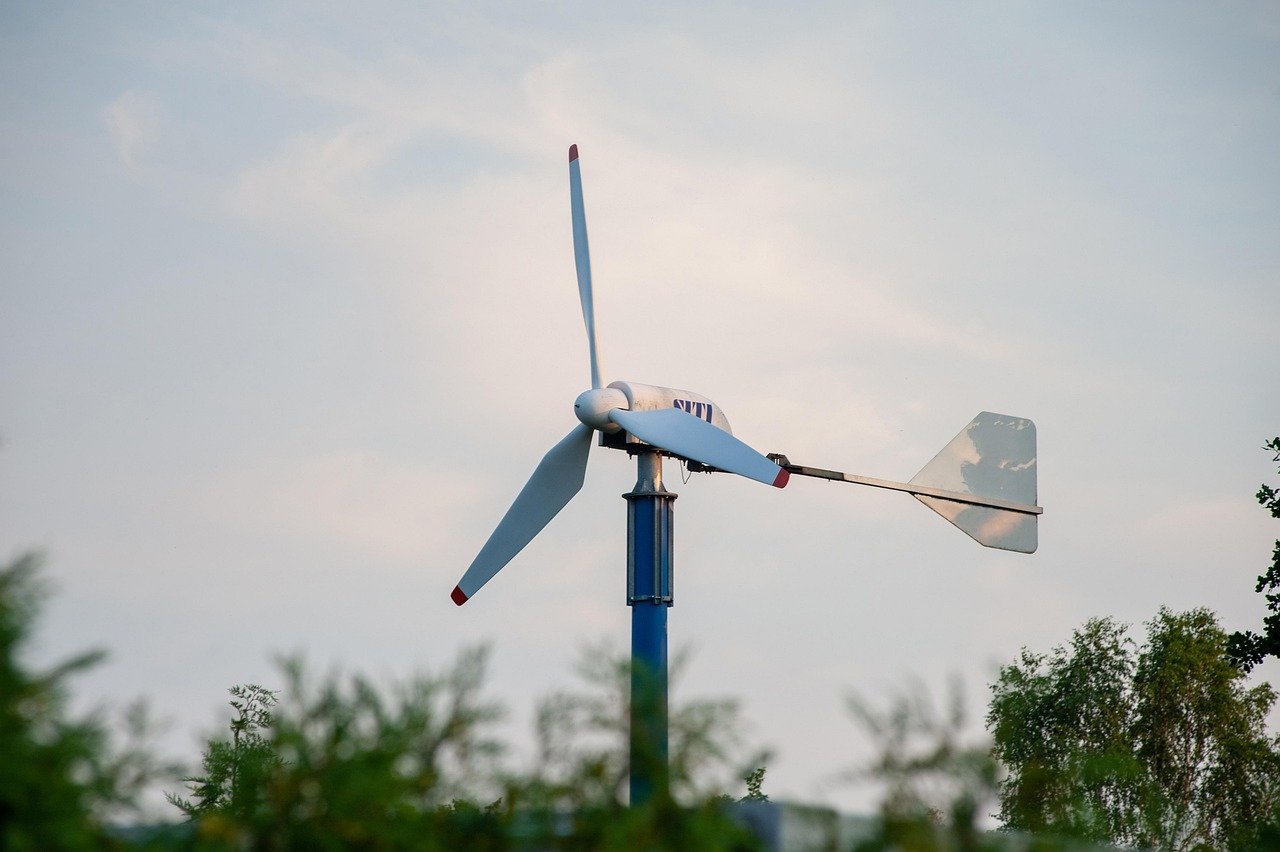
In addition to solar power, wind energy is becoming increasingly popular, particularly in coastal areas where wind resources are abundant. These renewable systems not only reduce reliance on fossil fuels but also insulate communities from fluctuating energy prices.
Waste Management Innovations
Island communities often grapple with waste management due to limited space and resources. Innovative solutions are emerging to address these challenges. Composting programs, zero-waste initiatives, and educational campaigns are becoming standard features of eco-conscious developments.
Advanced recycling technologies are empowering islands to close the loop on waste. Systems that convert waste into biofuel or other reusable forms present a sustainable cycle for managing materials. Moreover, the emphasis on reducing single-use plastics through community policies reinforces the commitment to environmental stewardship.
Water Conservation Techniques
Water scarcity is another pressing concern for island living. Eco-conscious developers are implementing various water conservation techniques, including rainwater harvesting and greywater recycling systems. These practices not only reduce freshwater consumption but also alleviate the pressure on limited water resources.
Smart landscaping plays an essential role in water efficiency, promoting native or drought-resistant plants that require less irrigation. Community gardens are gaining traction, fostering both a sense of community and a collective effort toward sustainability.
Community Engagement and Education
Sustainable development cannot thrive without community buy-in. Many eco-conscious projects prioritize community engagement, involving local residents in decision-making processes to ensure developments align with their values and needs. Neighborhood forums, participatory design workshops, and collaborative planning initiatives are growing in popularity.
Education is another powerful tool for fostering eco-conscious mindsets. Programs that focus on sustainability practices help communities understand their impact on the environment, encouraging them to adopt eco-friendly habits in their daily lives.
Biodiversity Preservation
Island ecosystems are typically fragile and unique, underscoring the importance of biodiversity preservation in development plans. Eco-conscious developments actively incorporate land conservation practices. Strategies like creating wildlife corridors, protected habitats, and engaging in reforestation efforts allow for the coexistence of human activity and nature.
Furthermore, many developments are working alongside scientists and environmental organizations to monitor local wildlife and ecosystems. By promoting ecotourism, they generate funding for continued conservation efforts while educating visitors on the importance of maintaining biodiversity.
Resilience to Climate Change
With rising sea levels and increased storm intensity threatening many coastal areas, resilience planning is a critical component of eco-conscious developments. Modern designs focus on adaptive strategies that prepare buildings and infrastructure to withstand extreme weather conditions.
Elevated structures, permeable pavements, and the strategic placement of green spaces serve to mitigate flooding risks and reduce urban heat islands. These measures not only protect property but also safeguard the delicate ecosystems surrounding these island communities.
Eco-Luxury Living
The integration of eco-conscious principles with high-end living reflects a growing trend toward eco-luxury. Developers are recognizing that consumers increasingly value sustainability without sacrificing comfort. High-end eco-villas, luxury sustainable resorts, and conscious vacation rentals showcase how luxury and sustainability can coexist harmoniously.
Amenities such as organic gardens, wellness retreats, and renewable energy installations are attracting a new demographic of eco-conscious travelers and residents. Lifestyle choices are evolving, and there’s a marked shift towards seeking experiences that align with both luxury and a commitment to the planet.
Conclusion: Trends on the Horizon
The future of island living in the U.S. is marked by a transformation towards sustainability, where eco-conscious developments are not just an option but a necessity. With innovative building practices, renewable energy solutions, and community engagement, islands are paving their paths as leaders in sustainable living. As these trends continue to unfold, the vision for harmonious coexistence with nature remains the guiding principle. An unwavering commitment to preserving the beauty and vitality of island ecosystems will define the next chapter of living amidst nature’s splendor.
