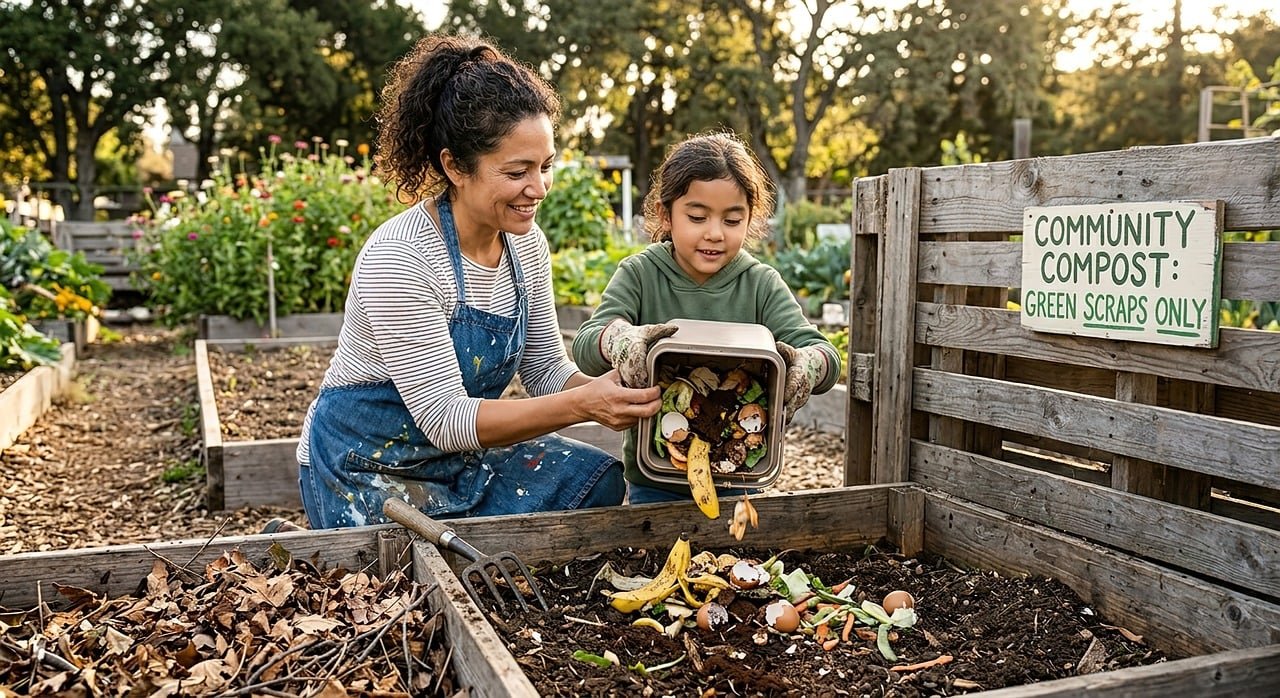

The Rise of Community-Led Eco-Projects on American Islands
1. Understanding Community-Led Eco-Projects
Community-led eco-projects involve initiatives undertaken by local populations that focus on sustainable development, conservation, and environmental restoration. These projects often arise in response to local environmental challenges and aim to enhance biodiversity, promote sustainable practices, and improve the quality of life for residents. American islands, with their unique ecosystems and communities, have become fertile grounds for such initiatives.
2. Unique Ecosystems of American Islands
American islands, from the tropical Caribbean to the temperate coasts of the Pacific Northwest, host diverse ecosystems. This biodiversity ranges from the mangroves of Florida’s Big Cypress National Preserve to the coral reefs surrounding the Hawaiian Islands. Each island’s unique flora and fauna are often threatened by climate change, invasive species, and unsustainable development, necessitating community action.
3. The Role of Local Communities
Local communities are the backbone of effective eco-projects. Residents possess intimate knowledge of their environments and can identify the most pressing issues. Community engagement ensures that projects are culturally appropriate and economically viable. Initiatives such as beach clean-ups, native species restoration, and sustainable agricultural practices have gained traction, largely driven by the enthusiasm and dedication of the local population.
4. Case Study: The Trust for Public Land
The Trust for Public Land (TPL) has demonstrated how local engagement can lead to successful eco-projects. In places like the islands of Washington State, TPL has partnered with island communities to conserve land, create parks, and protect watersheds. Their collaborative approach emphasizes community involvement from the planning stages to implementation, thus fostering ownership and ensuring the project’s sustainability.
5. Technological Innovations in Eco-Projects
Technological advancements play a critical role in facilitating community-led eco-projects. For example, the use of drones for monitoring ecosystems has become increasingly popular. On islands like Puerto Rico, local organizations employ drones to survey coastal erosion and assess the health of coral reefs. This technology allows for precise data collection, thereby guiding effective interventions.
6. The Importance of Education and Awareness
Education is key to empowering communities. Workshops, seminars, and school programs focused on environmental conservation raise awareness and inspire action. Initiatives like the Environmental Education Program in the Virgin Islands Schools promote sustainable practices among youth, instilling a sense of responsibility toward the environment. Through education, communities learn the importance of biodiversity and the role they can play in its preservation.
7. Successful Island Initiatives
Islands across America have showcased numerous successful community-led eco-projects.
-
Long Island, New York: The Community Garden Movement thrives here, promoting sustainable gardening practices that enhance local food security and biodiversity.
-
Maui, Hawaii: The “Maui Nui Marine Resource Council” focuses on community stewardship of marine resources, leading to collaborative beach clean-ups and coral reef restoration projects.
-
Chincoteague Island, Virginia: The Chincoteague Bay Field Station conducts eco-education programs that engage local youth in research and conservation efforts, securing both knowledge and future advocates for marine protection.
8. Funding Opportunities for Eco-Projects
According to recent data, various grants and funding sources are available for community-led eco-projects. Organizations such as the National Oceanic and Atmospheric Administration (NOAA) and the Environmental Protection Agency (EPA) offer grants specifically targeting conservation efforts on islands. Additionally, local businesses often mobilize resources to support initiatives, creating partnerships that benefit both the economy and the environment.
9. Overcoming Challenges
Despite their growing popularity, community-led eco-projects face various challenges. Limited funding, regulatory hurdles, and sometimes a lack of community interest can hinder progress. However, many communities have successfully navigated these obstacles through persistent advocacy and coalition-building. For instance, the citizen-led “ReefBase” initiative in Florida faced initial resistance but gained momentum through public meetings and outreach campaigns, securing community investment in coral restoration.
10. The Impact of Policy Changes
Effective policies can significantly enhance the success of community-led eco-projects on islands. Recent trends in environmental policy, such as increased federal funding for sustainable initiatives and incentives for local conservation practices, have opened doors for communities. States like California have adopted policies that boost local agricultural practices, which is crucial for small islands reliant on local farming.
11. Future Trends in Community Eco-Projects
Looking forward, the rise of community-led eco-projects on American islands will likely continue. With increasing awareness of climate change and environmental degradation, communities are more motivated than ever to act. The integration of technologies such as citizen science platforms allows local stakeholders to gather data and share their findings with broader audiences. As these projects gain visibility, they may inspire similar initiatives on the mainland.
12. Collaborations with NGOs and Universities
Community-led eco-projects often thrive through partnerships with non-governmental organizations (NGOs) and universities. By collaborating with research institutions, local groups can access valuable resources and expertise. For example, the collaboration between indigenous communities in Alaska and research institutions has led to innovative climate adaptation strategies. These partnerships not only enhance project outcomes but also enrich academic research with practical insights gained from local experiences.
13. Preserving Indigenous Knowledge
Indigenous communities on American islands have long engaged in sustainable practices, utilizing traditional ecological knowledge (TEK) to manage their resources. Incorporating TEK into community-led eco-projects can lead to more resilient and effective outcomes. Efforts to document and integrate indigenous knowledge, such as those seen among the Native Hawaiian community, strengthen cultural identity and environmental stewardship simultaneously.
14. Community Health and Eco-Projects
There is an undeniable connection between environmental health and community well-being. Many community-led eco-projects focus not only on ecological restoration but also on improving public health. Initiatives promoting local food systems and access to clean water directly benefit residents’ health. For example, community gardens in urban areas of islands like San Juan have shown a marked improvement in community nutrition and mental health.
15. The Global Significance of Local Efforts
Community-led eco-projects in American islands resonate globally. These initiatives serve as blueprints for other vulnerable regions, demonstrating how grassroots actions can drive significant environmental change. As the world grapples with climate change, island communities are stepping forward as leaders in conservation and sustainability. This model showcases the potential for local actions to align with global environmental agendas, fostering collaboration across borders for a healthier planet.
The rise of community-led eco-projects on American islands exemplifies the power of local engagement in addressing environmental challenges. Through collaboration, education, and innovative strategies, island communities are not only preserving their unique ecosystems but also enhancing their social fabric and resilience against future challenges.
