
The Allure of Island Living in the U.S.
Living on an island in the United States is a unique experience that immerses residents in stunning natural beauty, rich culture, and a slower pace of life. This article explores the various dimensions that characterize island living, encompassing lifestyle, travel, community, and environmental aspects.
1. A Glimpse into Island Communities
The U.S. boasts numerous islands, each with its own charm and character. From the bustling streets of Manhattan in New York to the serene sunsets of Maui in Hawaii, island life can drastically differ even within the same region. Communities form around shared interests, industries, and lifestyles, which vary widely:
- Urban Islands: Places like New York City’s Staten Island offer a vibrant mix of urban living with access to parks and waterfronts, while maintaining an adventurous spirit.
- Rural Honeys: In contrast, islands like Orcas Island in Washington State provide a peaceful, rural atmosphere, heavily characterized by agriculture and outdoor activities.
The sense of community is often palpable in these island settings. Residents participate in local events, farmers’ markets, and beach clean-ups, enhancing bonds among neighbors.
2. The Rhythm of Daily Life
Island inhabitants often adapt to a lifestyle informed by their geographic isolation. Daily life tends to be more relaxed, with an emphasis on outdoor activities such as surfing, fishing, and hiking. This focus on nature fosters well-being and fitness, as many residents take full advantage of their surroundings.
-
Work-Life Balance: The slower pace allows for a more balanced work-life scenario. Many residents work remotely or in tourism-related jobs, leading to flexible schedules that prioritize leisure and community engagement.
-
Local Produce and Businesses: Islands often prioritize sustainability, promoting local farms and businesses. The reliance on fresh, locally sourced food not only supports the economy but also strengthens community ties.
3. Cultural Richness and Traditions
Islands in the U.S. are often melting pots of culture due to their history and geographical position. From Hawaiian luaus to the Gullah traditions of the Lowcountry, cultural experiences are abundant:
-
Culinary Diversity: Island cuisine showcases local flavors, with seafood dominating menus. Lobster rolls in Maine, po’boys in Louisiana, and poke bowls in Hawaii highlight diverse gastronomies.
-
Art and Crafts: Many islanders express their culture through art, whether it be traditional crafts like Hawaiian quilting or contemporary art galleries showcasing the work of local artists.
Festivals celebrating local culture are common, offering a deep dive into island heritage through music, dance, and art. These celebrations foster a sense of belonging and appreciation for local history.
4. Environmental Consciousness
The environmental aspects of island living cannot be overstated. With limited land and marine resources, island residents often exhibit a strong commitment to environmental conservation:
-
Eco-Friendly Initiatives: Many islands have programs aimed at preserving their unique ecosystems. From beach clean-ups to recycling initiatives, there’s a community-wide awareness of sustainability that permeates everyday life.
-
Biodiversity: Islands are home to unique flora and fauna. Residents often engage in conservation efforts to protect against invasive species and promote biodiversity, showcasing a commitment to preserving their home for future generations.
5. Challenges of Island Life
While the island lifestyle is appealing, it also presents challenges. Geographic isolation often leads to limited resources and services, compelling residents to adapt:
-
Supply Chains: Shipping delays can make certain goods more expensive or less accessible, requiring residents to plan and often become resourceful in their purchasing habits.
-
Limited Healthcare: Access to healthcare can be a significant concern, especially in more remote areas. Many islands rely on traveling doctors or telemedicine for essential health services.
-
Housing and Cost of Living: The desirability of island life can drive up housing costs, creating a dilemma for residents who wish to stay connected to their community without facing financial strain.
6. Recreation and Relaxation
Island living provides many recreational opportunities that are integral to the lifestyle:
-
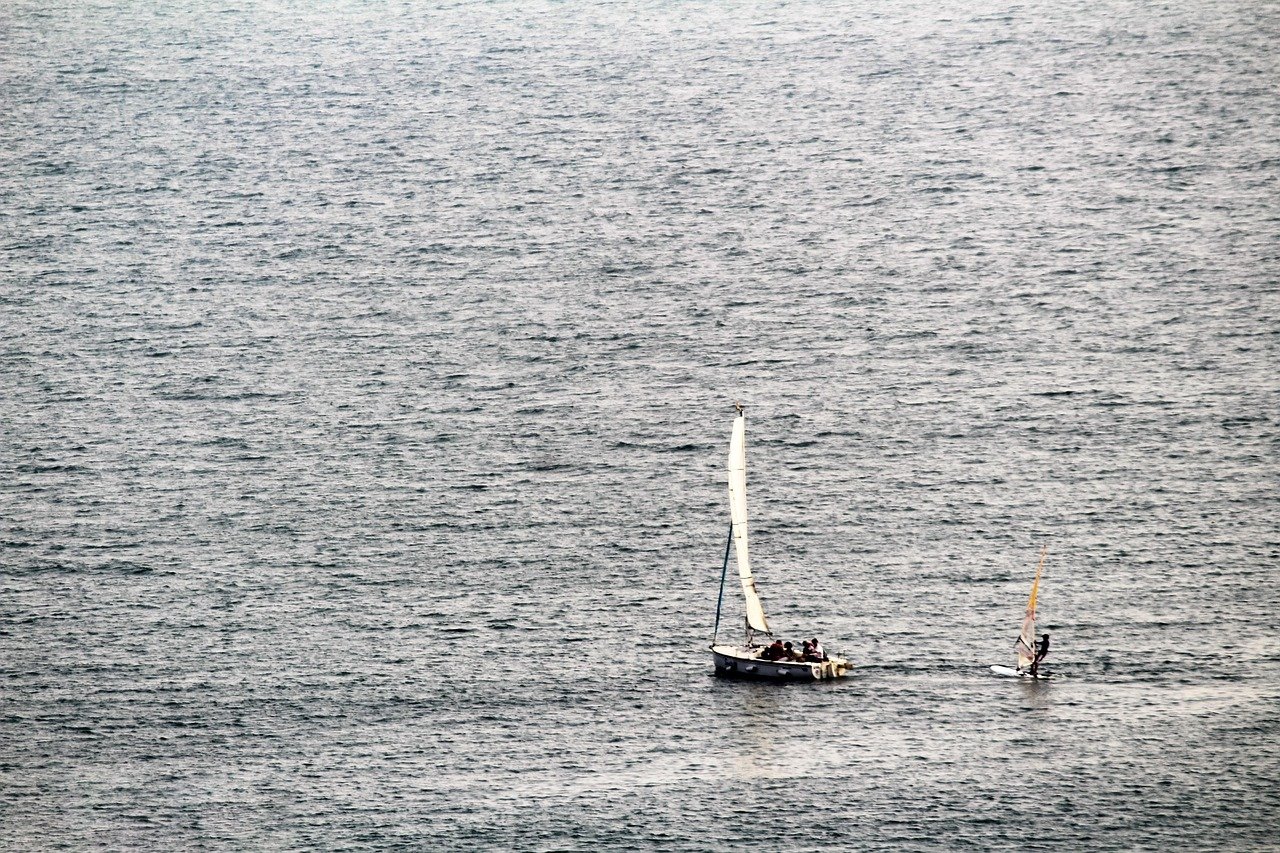
Water Sports: Activities such as kayaking, paddleboarding, and sailing are common, as islands provide easier access to water bodies. Whether you’re a novice or an experienced enthusiast, there’s something for everyone.
-
Hiking and Nature Exploration: Many islands feature trails and nature reserves, giving residents and visitors the chance to connect with nature. Exploring lush landscapes, granite cliffs, or stunning coastlines offers a refreshing break from technology and modernity.
-
Wildlife Watching: The unique ecosystems surrounding islands provide excellent opportunities for wildlife watching, including birdwatching, whale watching, and observing diverse marine life.
7. Accessibility and Travel
Despite their beauty, many islands can feel isolated. Accessibility varies significantly, impacting both residents and tourism:
-
Transportation Options: Ferries, private boats, and occasional flights connect islands to the mainland. Some islands, like those in Hawaii, have multiple airports, while others depend on a single service, which can influence travel ease and frequency.
-
Tourism Infrastructure: Many islands prioritize tourism infrastructure, catering to visitors with accommodations, dining, and attractions that respect local culture and environment.
Visitors often become enamored with islands, finding themselves returning regularly, which enhances the seasonal economy while sustaining community development.
8. Economic Considerations
Economically, island life is often tied closely to tourism:
-
Job Opportunities: Many island economies thrive on seasonal tourism, providing job opportunities mainly in hospitality, food service, and retail.
-
Local Economies: Residents often support local businesses by dining and shopping within the community, stimulating economic growth while preserving culture and tradition.
Despite this heavy reliance on tourism, the seasonal nature may create economic instability, prompting residents to diversify their income sources.
The Unique Island Lifestyle in the U.S.
In summary, the unique island lifestyle in the United States presents a rich tapestry woven with community engagement, cultural depth, environmental respect, recreation, and economic challenges. The island experience varies dramatically across the U.S., but the common thread of a slower-paced, nature-focused life resonates throughout, making it an appealing option for those seeking a distinct way of living.
