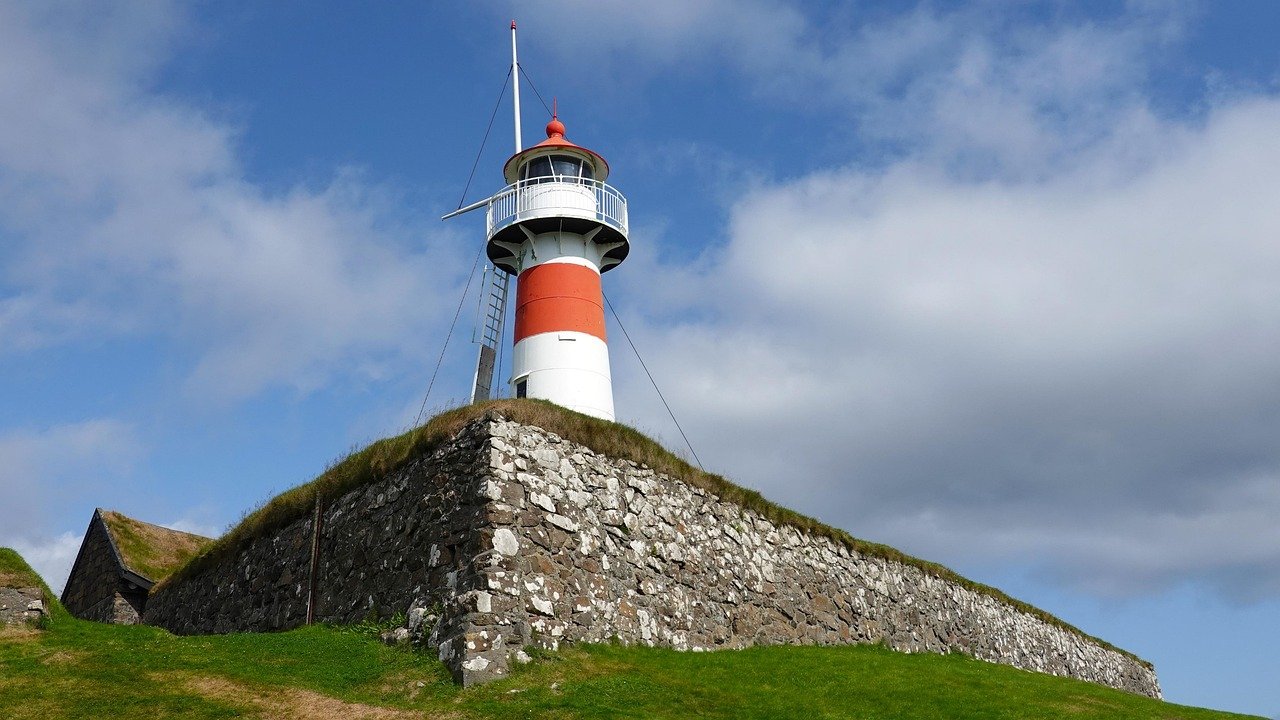

Understanding Island Development
Island development is a multifaceted challenge that requires a careful balance between fostering economic growth and protecting natural ecosystems. Islands, often characterized by their unique biodiversity, cultural heritage, and strategic geographical locations, face pressures from tourism, urbanization, and climate change. Striking a balance between these competing interests is crucial for sustainable development.
The Economic Benefits of Island Development
-
Tourism Revenue: Islands often rely on tourism as a primary economic engine. Attractions such as stunning beaches, water sports, and unique cultures draw millions of visitors annually, contributing significantly to local economies. For instance, the Caribbean islands see tourism account for over 30% of their GDP, underscoring the sector’s importance.
-
Investment Opportunities: Developing infrastructure like airports, roads, and resorts can stimulate investments in transport, utilities, and services. This can lead to increased job opportunities for local communities, which is essential in regions with limited employment options.
-
Innovation and Sustainability: Islands can become centers for innovative sustainable technologies. Initiatives like bioenergy, aquaculture, and sustainable agriculture can boost economic prospects while safeguarding environmental integrity. Countries like Seychelles are exploring renewable energy to decrease reliance on imported fossil fuels, showcasing a model for sustainable growth.
Environmental Impact of Development
-
Biodiversity Loss: Rapid development often leads to habitat destruction, threatening endemic species. The unique ecosystems found on islands can be delicate. For instance, in Hawaii, urban growth has displaced numerous native species, affecting the ecological balance.
-
Pollution: Increased human activity can lead to pollution in marine and terrestrial environments. Coral reefs, which are vital to marine biodiversity and the tourism industry, face threats from runoff and waste disposal. Protecting these ecosystems is critical for maintaining both natural beauty and economic viability.
-
Climate Change Vulnerability: Islands are among the most vulnerable areas to climate change. Rising sea levels and extreme weather events jeopardize infrastructure, livelihoods, and ecosystems. Sustainable development strategies must prioritize climate resilience to safeguard these vulnerable areas.
Key Strategies for Balancing Growth and Conservation
-
Integrated Development Planning: Effective planning involves combining environmental considerations with economic goals. Engaging local communities in the planning process ensures that development aligns with their values and needs. This could lead to more culturally appropriate and ecologically sound outcomes.
-
Ecotourism Initiatives: Promoting ecotourism can offer a sustainable alternative to mass tourism. This model focuses on low-impact, environmentally friendly travel that educates tourists about local ecosystems and cultures. Destinations like Costa Rica exemplify the success of ecotourism, attracting visitors while preserving natural resources.
-
Utilizing Technology for Conservation: Technology plays a crucial role in monitoring ecosystems and biodiversity. Tools like satellite imaging and drones can help track environmental changes, making it easier to implement effective conservation strategies. Mobile apps for tourists that promote responsible behavior, such as proper waste disposal and respect for wildlife, further support conservation efforts.
Policy Frameworks and Regulations
-
Sustainable Development Goals (SDGs): Aligning local development strategies with the United Nations’ SDGs can create comprehensive frameworks for sustainability. Specifically, Goal 14 (Life Below Water) and Goal 15 (Life on Land) advocate for the conservation of marine and terrestrial ecosystems while pursuing economic growth.
-
Zoning Laws: Implementing strict zoning laws can protect sensitive areas from overdevelopment. Designating areas as marine protected zones ensures that critical habitats receive the necessary protections while allowing for sustainable economic activities elsewhere.
-
Public-Private Partnerships: Collaborations between governments and private entities can fund conservation initiatives while also driving economic progress. By pooling resources, stakeholders can develop infrastructure that supports both growth and environmental stewardship.
Community Engagement and Capacity Building
-
Education and Awareness: Raising awareness about the importance of conservation among local populations can lead to more sustainable practices. Workshops, seminars, and school programs can cultivate an understanding of the delicate balance between development and ecological preservation.
-
Empowering Local Communities: Fostering a sense of ownership among local communities can enhance conservation efforts. When locals are engaged in decision-making processes, they are more likely to support sustainable initiatives and participate actively in their implementation.
-
Cultural Heritage Preservation: Protecting cultural heritage is essential in island development. Initiatives that celebrate and integrate local culture can enhance tourism while fostering community pride. Sustainable development projects should respect and incorporate traditional knowledge and practices.
Global Examples of Harmonious Development
-
Palau’s National Marine Sanctuary: Palau has made significant strides in conservation through its national marine sanctuary. This initiative protects 80% of its ocean territory, demonstrating that robust environmental policies can coexist with tourism and fishing industries.
-
Fiji’s Sustainable Tourism Strategy: Fiji employs a comprehensive approach to sustainable tourism development. Investments in renewable energy, waste management, and community-based tourism ensure that the benefits of tourism reach local communities while preserving natural resources.
-
Maldives and Climate Adaptation: The Maldives faces severe threats from climate change. The government is investing in climate adaptation strategies, including revamping coastal management practices and encouraging sustainable tourism operations. This proactive approach can serve as a template for other island nations.
Future Considerations for Island Development
-
Resilience to Climate Change: Future developments must incorporate climate resilience into their design. Infrastructure should be built to withstand extreme weather and rising sea levels. This proactive approach can mitigate potential losses and safeguard investments.
-
Sustainable Resource Management: Islands must pursue sustainable management of their natural resources. Implementing policies that regulate fishing, logging, and land use will ensure resources remain viable for future generations, balancing current economic needs with long-term sustainability.
-
Holistic Metrics for Success: Traditional economic indicators may not fully capture the success of sustainable development. Metrics must evaluate environmental health, community wellbeing, and cultural preservation alongside economic growth to ensure a comprehensive assessment of progress.
-
International Collaboration: Addressing challenges related to island development often requires collaboration beyond national borders. Engaging with international organizations can provide access to funding, resources, and expertise needed for sustainable projects.
Conclusion
Navigating the complexities of island development requires a nuanced approach that considers economic growth and environmental conservation. Successful island development hinges on well-researched strategies, active community engagement, and a commitment to sustainability. By fostering collaboration and implementing innovative solutions, islands can secure a brighter, more sustainable future.
