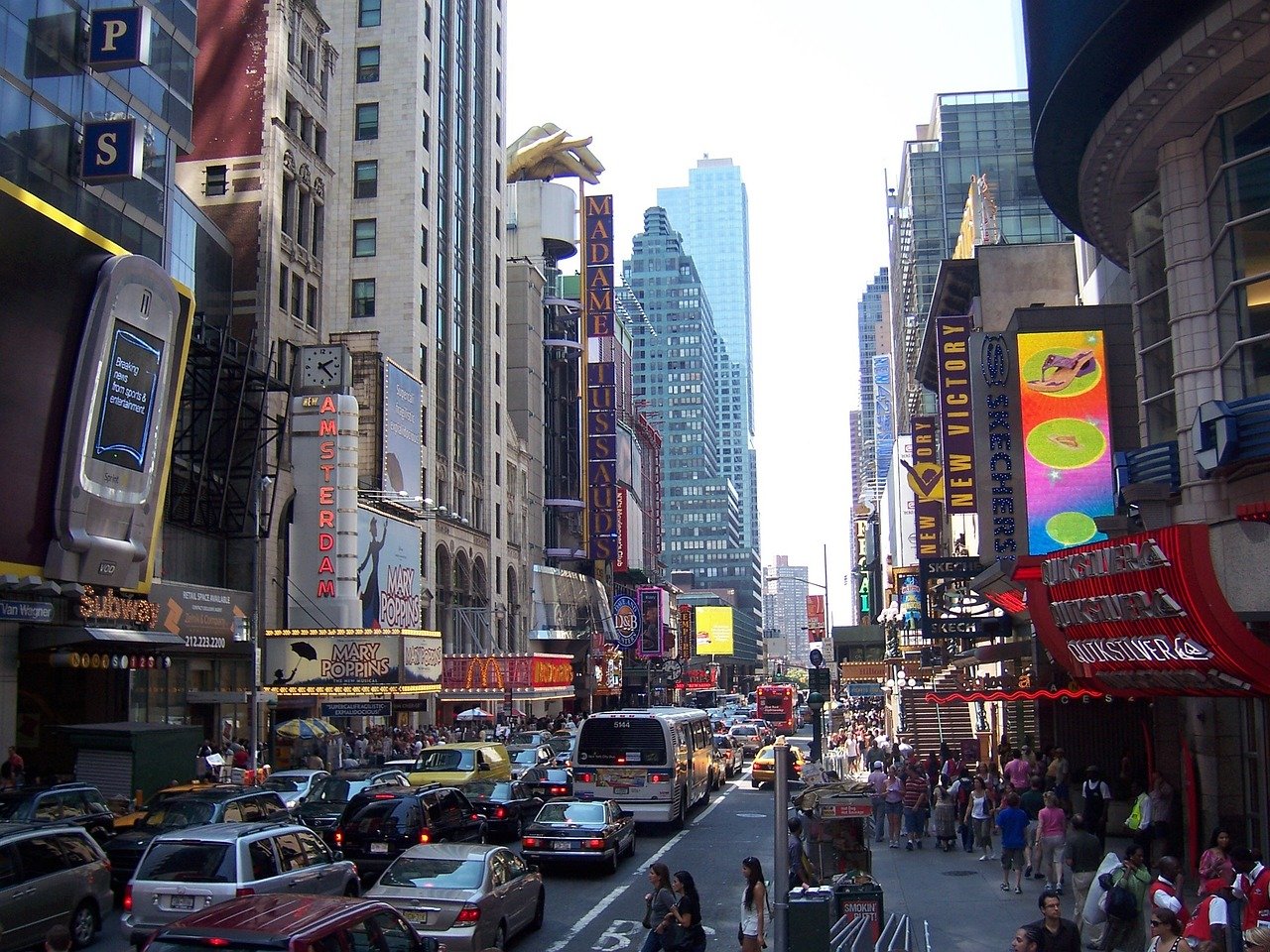

The landscape of American commercial real estate (CRE) is undergoing a transformative shift, catalyzed by significant corporate investments eager to redefine urban spaces and drive innovation. These investments are infusing capital into various sectors within CRE, particularly in office spaces, retail, industrial, and mixed-use developments. The ongoing evolution is a product of changing societal patterns, technological advancements, and an acute focus on sustainability.
### Rise of the Remote Work Trend
The COVID-19 pandemic sparked a major shift toward remote work. Companies like Twitter and Facebook have made headlines for adopting flexible work policies, leading to decreases in demand for traditional office spaces. This has prompted landlords and developers to reimagine these spaces. Major investments are now turning conventional offices into hybrid work environments, featuring collaborative areas that cater to on-site teams and breakout spaces aimed at fostering creativity and communication.
### Investment in Logistics and Warehousing
E-commerce giants like Amazon are driving the need for extensive logistic centers and warehouses. As online shopping continues to dominate the retail landscape, major investments have focused on automating and optimizing supply chains. This boom has led to the development of high-tech distribution centers that are strategically located to facilitate rapid delivery times. According to a report from CBRE, logistics was the top investment sector in CRE for 2022, reflecting a broader trend towards warehousing in suburban areas closer to consumers.
### Adaptive Reuse of Retail Spaces
Corporate investors are now pivoting towards adaptive reuse of retail spaces, transforming vacant storefronts into multifamily housing, offices, or community spaces. Notable developments include historic buildings being repurposed into vibrant mixed-use areas that combine retail, living, and office spaces. Major players like RXR Realty have recognized the potential in these transformations, often leading to significant returns by tapping into local community needs and providing accessible amenities.
### Sustainability and Green Building Investments
As climate change impacts resonate globally, sustainability is becoming non-negotiable in commercial real estate investments. Corporations like Google and Apple are investing heavily in green buildings and renewable energy initiatives. These stakeholders understand that sustainable buildings not only reduce environmental footprints but also attract tenants who prioritize eco-friendly practices. Energy-efficient designs, LEED certification, and renewable energy sources are paramount considerations for companies such as JBG Smith and related investment groups.
### PropTech Innovations
The rise of Property Technology (PropTech) is reshaping how real estate is managed, bought, and sold. Investment from major tech companies such as Zillow and Redfin signify a concerted effort to streamline real estate processes through innovative technologies. Smart building systems, advanced data analytics, and virtual reality tools are making operations more efficient and creating better user experiences. Investments in PropTech solutions aim to simplify property management, enhance tenant interactions, and optimize space utilization.
### Mixed-Use Developments
Mixed-use developments are gaining traction as urban areas evolve, driven by demand for living, working, and recreational spaces all in one locale. Corporations like Brookfield Properties have invested substantially in large-scale mixed-use projects that include residential units, offices, retail areas, and entertainment venues. These developments foster walkability and community engagement while offering diverse spaces for business operations which, in return, provide a platform for smaller businesses to thrive.
### Downtown Revitalization Projects
A significant corporate focus is emerging around downtown revitalization projects aimed at reinvigorating city centers. Investments from firms such as Related Companies are not just refurbishing existing buildings but also constructing new, multipurpose structures designed to meet the evolving needs of urban populations. These projects often include cultural spaces, retail amenities, and public parks that promote wellbeing and community interaction. Revitalized downtown areas are attractive for companies seeking a central location to connect with clients and talent.
### Urban Data Centers
The surge in demand for data has led to an influx of investments in urban data centers, servicing technologies requiring high processing capabilities. Corporate giants such as Microsoft and Amazon are investing heavily in these facilities, ensuring they are not just strategically located but are also energy-efficient and sustainable. As businesses across various sectors rely more on digital solutions and remote services, the demand for these infrastructure developments is expected to grow, shaping the next generation of urban landscapes.
### Resilience in Real Estate Investments
The growing climate crisis necessitates a focus on resilience in real estate investments. Corporations are increasingly prioritizing properties that are designed or retrofitted to withstand environmental challenges, such as floods or extreme weather. Investments are seen in developments that prioritize resilience, employing building materials and infrastructure adapted to potential climate impacts. Companies focused on redevelopment projects often consult with sustainability experts to ensure long-term viability and reduced risk.
### Financing Structures for New Developments
Innovative financing mechanisms are driving investment in commercial real estate, with corporate entities leveraging opportunities for funding through Real Estate Investment Trusts (REITs) and publicly traded stocks. These financing structures provide unprecedented access to capital, facilitating the construction of new developments and improvement of existing properties. Public-private partnerships are emerging as collaborative avenues that reduce risk and enhance project outcomes.
### The Impact of Inflation and Interest Rates
The recent economic environment marked by rising inflation and interest rates has a dual impact on CRE investment strategies. Corporate investors are increasingly cautious but also strategic, targeting sectors poised to benefit from inflationary pressures, such as logistics and industrial spaces. Sensitive to market fluctuations, companies are adapting financing strategies and property acquisitions to remain viable while maximizing returns.
### Conclusion
Amid changing socio-economic landscapes, corporate investments continue to evolve, reshaping American commercial real estate. The adaptability and innovative spirit of stakeholders in this sector mean that the shifts witnessed today are just the beginning. Companies are not only defining the current real estate trends but are also paving the way for future developments that prioritize community, sustainability, and technological advancement, ensuring the landscape remains vibrant and dynamic for years to come.
