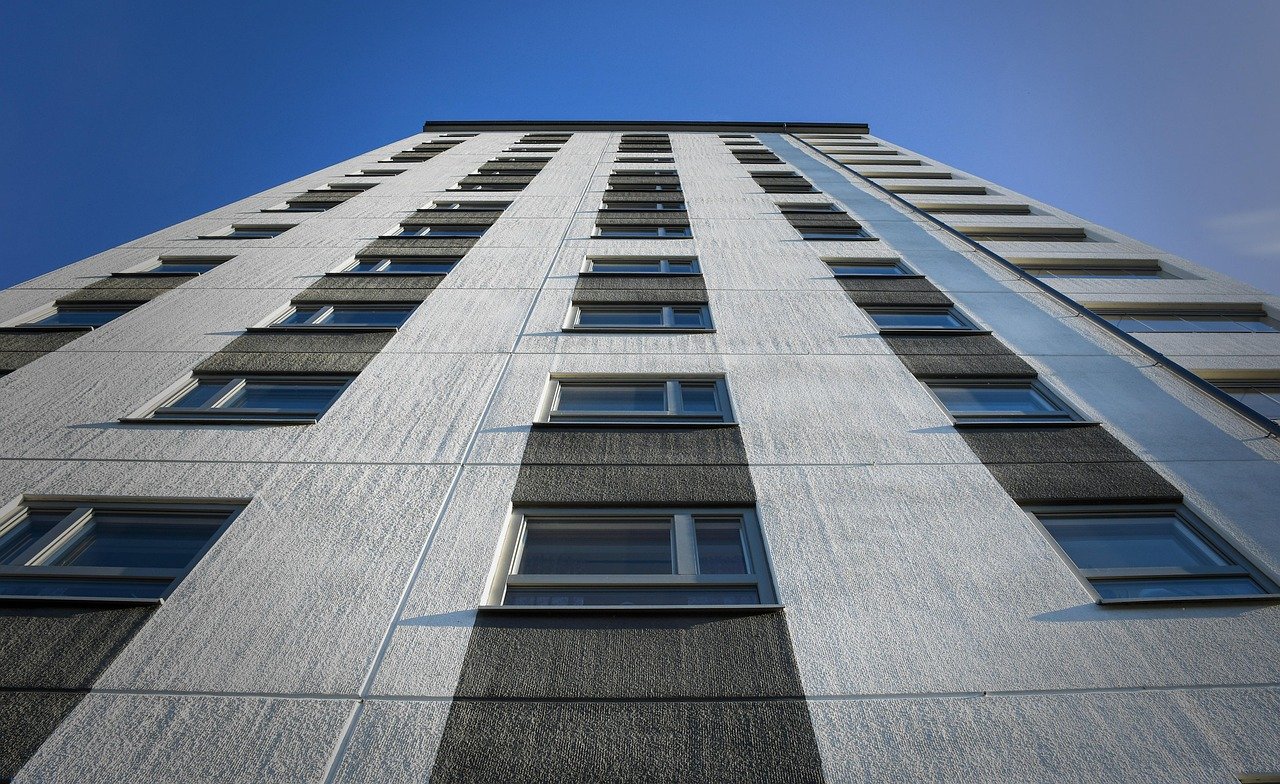

Energy-Efficient Designs
Energy-efficient design remains at the forefront of sustainable home building trends. Architects and builders are increasingly incorporating features such as passive solar designs, where homes are oriented to maximize natural light and heat from the sun. This includes strategic placement of windows, shading devices, and thermal mass materials that retain heat during the winter and keep interiors cool during the summer. Additionally, energy-efficient appliances and smart home technologies that regulate energy consumption are now standard in new builds.
Sustainable Materials
Home builders are leaning towards sustainable building materials that minimize environmental impact. This includes reclaimed wood, recycled steel, and environmentally friendly insulation products. Bamboo, a rapidly renewable resource, is gaining popularity for its durability and aesthetic appeal. Moreover, low-VOC (volatile organic compounds) paints and finishes are being adopted to improve indoor air quality while maintaining an eco-friendly stance.
Green Certifications
Green building certifications such as LEED (Leadership in Energy and Environmental Design) and the National Green Building Standard (NGBS) are increasingly sought after by home buyers. These certifications encompass a range of sustainable practices—from energy efficiency and water conservation to waste reduction and material sourcing. Homeowners are increasingly looking for these certifications as proof of a home’s sustainability, pushing builders to make a conscious effort to meet these rigorous standards.
Smart Home Technology
The integration of smart home technology is revolutionizing sustainable building practices. Smart thermostats, energy monitors, and automated lighting systems allow homeowners to optimize their energy use based on their habits. It’s also common to see advanced home automation systems that integrate renewable energy sources, such as solar power, allowing homeowners to monitor their energy output and consumption in real-time. These technologies not only enhance convenience but also foster a more sustainable living environment by reducing overall energy consumption.
Water Conservation Systems
Water conservation is crucial in the definitive shift towards sustainable home building. Systems such as rainwater harvesting, greywater reuse, and drought-resistant landscaping are being implemented more widely. Rain barrels and cisterns allow homeowners to collect and reuse rainwater for irrigation and other non-potable uses. Additionally, xeriscaping, which involves using native, drought-tolerant plants, is becoming a popular landscaping method that significantly reduces water consumption.
Modular and Prefabricated Construction
Modular and prefabricated homes have emerged as significant trends in sustainable building. These homes are constructed off-site and assembled on the property, significantly reducing waste and disruption. The controlled environment of factory construction allows for better quality control and efficiency. These homes can also be designed to be energy-efficient, with advanced insulation and energy systems installed before reaching the site.
Net-Zero Homes
Net-zero homes are designed to be as energy efficient as possible, producing as much energy as they consume over the course of a year. This is achieved through high-performance insulation, energy-efficient appliances, and the integration of renewable energy systems such as solar panels. As technology advances, building net-zero homes becomes increasingly feasible and attractive to home buyers who are motivated by sustainability and utility savings.
Biophilic Design
Biophilic design emphasizes creating connections between people and nature within built environments. This trend incorporates natural elements such as plants, natural lighting, water features, and natural materials into home design. Homes that leverage biophilic design not only promote mental well-being but also encourage sustainable living by seamlessly integrating outdoor spaces and promoting eco-friendly practices like gardening.
Passive House Standards
The Passive House standard is gaining traction among builders and homeowners focusing on sustainability. This rigorous energy efficiency standard requires homes to have an ultra-low energy demand for heating and cooling. Features often include airtight construction, superior insulation, and energy recovery ventilation systems. Homes built to Passive House standards often achieve significant reductions in energy consumption, leading to lower energy bills and a smaller carbon footprint.
Home Monitoring Systems
As sustainability becomes a priority, home monitoring systems that track energy use, water consumption, and indoor air quality are emerging as essential tools for homeowners. These systems provide real-time data that helps homeowners make informed decisions about their energy use. This trend not only empowers homeowners to adopt more sustainable practices but also fosters awareness of their environmental impact.
Urban Farming and Edible Landscaping
Urban farming and edible landscaping are becoming integral components of sustainable home building. Homeowners and developers are increasingly incorporating vegetable gardens, fruit trees, and edible plants into their landscaping. This trend promotes food sustainability by providing fresh produce while simultaneously reducing one’s carbon footprint associated with transportation and packaging. Community gardens in residential neighborhoods further foster a sense of community and collaborative sustainability.
Eco-Friendly Roof Systems
Green roofs and living roofs serve as excellent examples of eco-friendly roofing systems trending in sustainable construction. These roofs are covered with vegetation, which helps regulate building temperatures, improve air quality, and manage stormwater runoff. They can also provide insulation, reduce energy costs, and increase biodiversity. Additionally, reflective roofing materials that minimize heat absorption are becoming popular for their ability to reduce the urban heat island effect.
Long-Lasting Durability
Durability in materials and construction methods is crucial for sustainability. Home builders are prioritizing long-lasting materials that require minimal maintenance and replacements, ultimately extending the lifecycle of the home. Using high-quality materials like fiber-cement siding, metal roofs, and engineered wood products can reduce long-term costs and environmental impact, aligning with sustainable building principles.
Community Engagement in Design
Sustainable home building trends are increasingly incorporating community engagement throughout the design process. Home builders are recognizing the importance of designs that reflect the cultural and environmental context of the surrounding area. Engaging future homeowners and the community in the planning process leads to more innovative, functional, and sustainable solutions tailored to actual needs and preferences.
Renewable Energy Integration
The integration of renewable energy sources is an essential trend in sustainable home building. Solar panels and geothermal heating systems are being incorporated into new builds as more homeowners seek to harness clean energy for their daily needs. Wind turbines are also emerging as an option in appropriate locations, providing an independent and sustainable energy source for modern homes.
Circular Economy Practices
The circular economy is being embraced in the building industry, promoting practices that minimize waste and encourage recycling. Builders are exploring innovative ways to reclaim materials from existing structures and incorporate them into new builds. Moreover, waste reduction strategies during construction—such as precise material cutting and waste sorting—are becoming standard practices aimed at creating a more sustainable construction process.
Accessibility and Inclusivity in Sustainable Design
Sustainable home building is evolving to include accessibility and inclusivity features. More builders are incorporating universal design principles to ensure homes are accessible to individuals of all ages and abilities. This approach not only promotes sustainability by creating homes that cater to a broader population but also enhances community livability by allowing individuals to age in place comfortably.
Electric Vehicle (EV) Charging Stations
As the popularity of electric vehicles soars, the inclusion of EV charging stations in new home constructions is becoming a sought-after feature. Builders are recognizing that integrating charging infrastructure can significantly enhance a home’s appeal to eco-conscious buyers who prioritize renewable energy and sustainability. Homes with dedicated EV charging support the broader transition toward sustainable transportation systems and contribute to reducing carbon emissions.
Fiber Optic Technology for Sustainability
Telecommunications infrastructure is also getting a sustainable upgrade with the integration of fiber optic technology in new homes. Fiber optics can reduce energy usage and increase data transfer speeds, supporting smart home technologies and enhancing overall energy efficiency. As broadband connectivity becomes vital for working from home or changing work patterns, incorporating this technology into home designs signifies a forward-thinking approach to sustainable living.
Advanced Air Filtration Systems
Improving indoor air quality is a growing consideration among homeowners focused on health and sustainability. Advanced air filtration systems using HEPA filters, UV light purification, and ventilators are expected to become standard in new home designs. These systems help remove airborne pollutants and allergens, contributing to a healthier indoor environment—a critical element of sustainable living.
