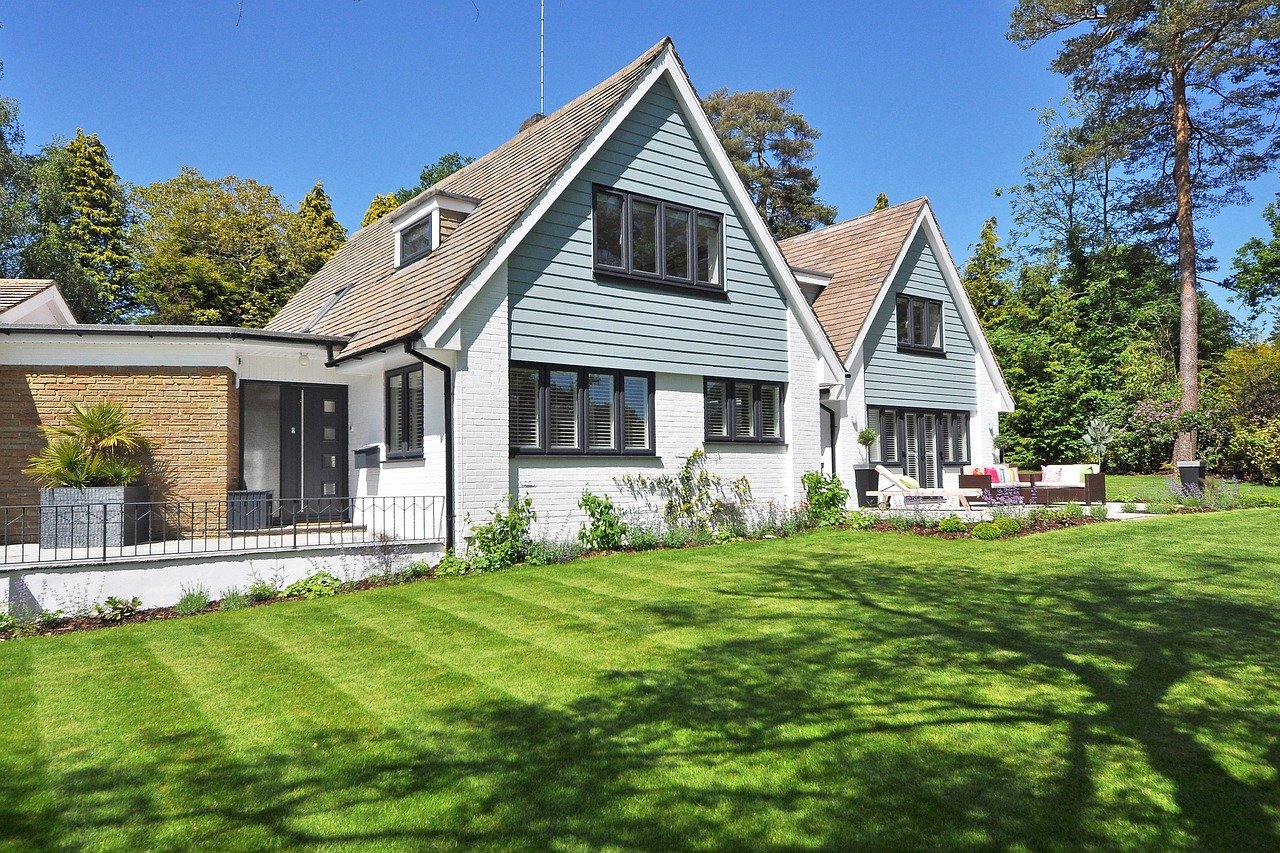

Understanding Luxury Real Estate Trends in California
1. Market Overview
California’s luxury real estate market, defined as properties surpassing $1 million, has shown resilience amid fluctuations. The state remains a beacon for affluent buyers, thanks to its diverse landscapes, favorable climate, and strong economy. Average home prices in prime locations, such as Beverly Hills, San Francisco, and Malibu, often exceed $3 million, underscoring the desirability of these areas. The luxury market is intricately tied to the tech industry’s growth in Silicon Valley, Hollywood’s entertainment industry, and its affluent population seeking exclusive properties.
2. Key Factors Influencing Demand
Several factors continue to elevate the luxury real estate market in California:
- Tech Sector Growth: The tech industry’s expansion has fueled demand for high-end properties, as tech professionals seek lavish homes close to work hubs.
- Remote Work Dynamics: The COVID-19 pandemic accelerated remote work trends, prompting buyers to invest in larger homes equipped with offices and private spaces in desirable locations.
- Lifestyle Appeal: Luxury buyers prioritize lifestyle amenities, such as proximity to fine dining, shopping, and recreational facilities. Coastal properties offer ocean views, which are particularly appealing.
3. Evolving Buyer Preferences
Today’s luxury buyers exhibit distinct preferences compared to previous generations:
- Sustainability: Modern homebuyers are increasingly environmentally conscious. Properties with sustainable features, such as solar panels, energy-efficient systems, and organic materials, are in high demand.
- Smart Home Technology: Integration of smart technologies has become a baseline requirement. Properties with advanced home automation systems, security features, and energy management tools can command higher prices.
- Open Spaces: Buyers are favoring open floor plans that maximize natural light. Outdoor living spaces, such as spacious patios and landscaped gardens, are also a key selling point.
4. The Shift Toward Suburban Properties
As urban living loses its luster for some buyers, there’s been a noticeable shift toward suburban and rural areas:
- Affordability: Properties in suburban regions often provide more space for the same investment compared to metropolitan areas.
- Family-Oriented Amenities: Suburban communities offer family-friendly amenities, including parks, schools, and recreational centers, appealing to buyers with children.
- Privacy and Space: Many affluent buyers are seeking privacy and expansive land, pushing them towards properties situated in less densely populated areas.
5. Emerging Markets
While traditional luxury markets remain robust, several emerging regions are gaining traction:
- Santa Barbara and San Luis Obispo: These coastal towns have seen a surge in interest, attracting buyers looking for a mix of luxury and tranquility away from crowded cities.
- Paso Robles: This wine country area is becoming increasingly popular among luxury buyers, offering stunning landscapes and vineyard estates.
- Lake Tahoe: Luxury lakefront properties in Tahoe provide a year-round retreat, attracting wealthy buyers seeking both winter and summer activities.
6. High-Profile Developments
New luxury developments are characterized by their modern architecture, exclusive amenities, and prime locations:
- Residential Towers: High-rise luxury condominiums in Los Angeles and San Francisco offer residents unparalleled views and extensive amenities, including rooftop pools, spas, and concierge services.
- Eco-Friendly Communities: Developers are increasingly focusing on eco-friendly residential communities, appealing to buyers who value sustainability.
- Private Estates: Custom-built estates with tailored features are highly sought after, giving buyers the opportunity to create their dream homes.
7. The Role of Foreign Investment
Foreign investment plays a significant role in California’s luxury real estate market:
- Attractiveness to International Buyers: California’s established reputation as a global luxury destination attracts investors from countries like China, Canada, and the UK. These buyers often look for second homes or investment properties.
- Currency Influence: Favorable exchange rates can make California real estate more appealing to foreign buyers, significantly impacting purchase decisions.
8. Financing Trends
The financing landscape for luxury real estate is evolving:
- Low-Interest Rates: Historically low mortgage rates have encouraged many affluent buyers to purchase high-end properties, although rates are beginning to rise.
- Alternative Financing Options: Luxury buyers often explore non-traditional financing methods, such as private equity or cash purchases, bypassing traditional mortgage routes.
9. Luxury Rental Market Dynamics
The luxury rental market in California has remained robust, driven by affluent individuals seeking temporary accommodations or investment opportunities:
- High Demand for Rentals: The need for flexible living arrangements has led to increased demand for luxury rental properties, particularly in urban centers.
- Short-Term Rentals: Short-term luxury rentals are gaining popularity on platforms like Airbnb, with many owners capitalizing on the surge in travel.
10. Market Forecasts
Looking ahead, California’s luxury real estate market is poised for continued growth:
- Sustained Interest from Buyers: The convergence of tech growth, lifestyle changes, and demographic shifts will likely sustain interest in luxury properties across the state.
- Regulatory Environment: The regulatory landscape, particularly in coastal areas, may impact future developments and transformations within the market.
11. Importance of Professional Guidance
Navigating California’s luxury real estate market requires expertise:
- Experienced Agents: Buyers and sellers alike should prioritize working with knowledgeable agents who understand local market dynamics and luxury property nuances.
- Networking and Connections: Agents with connections in the luxury market can provide access to off-market listings and leverage relationships to secure advantageous deals.
12. Conclusion: Trends to Watch
As California’s luxury real estate market continues to evolve, keeping an eye on emerging trends is essential for investors and buyers. From the increasing focus on sustainability and technology to the dynamics of foreign investment and rental markets, understanding these factors will be key to thriving in this competitive landscape.
