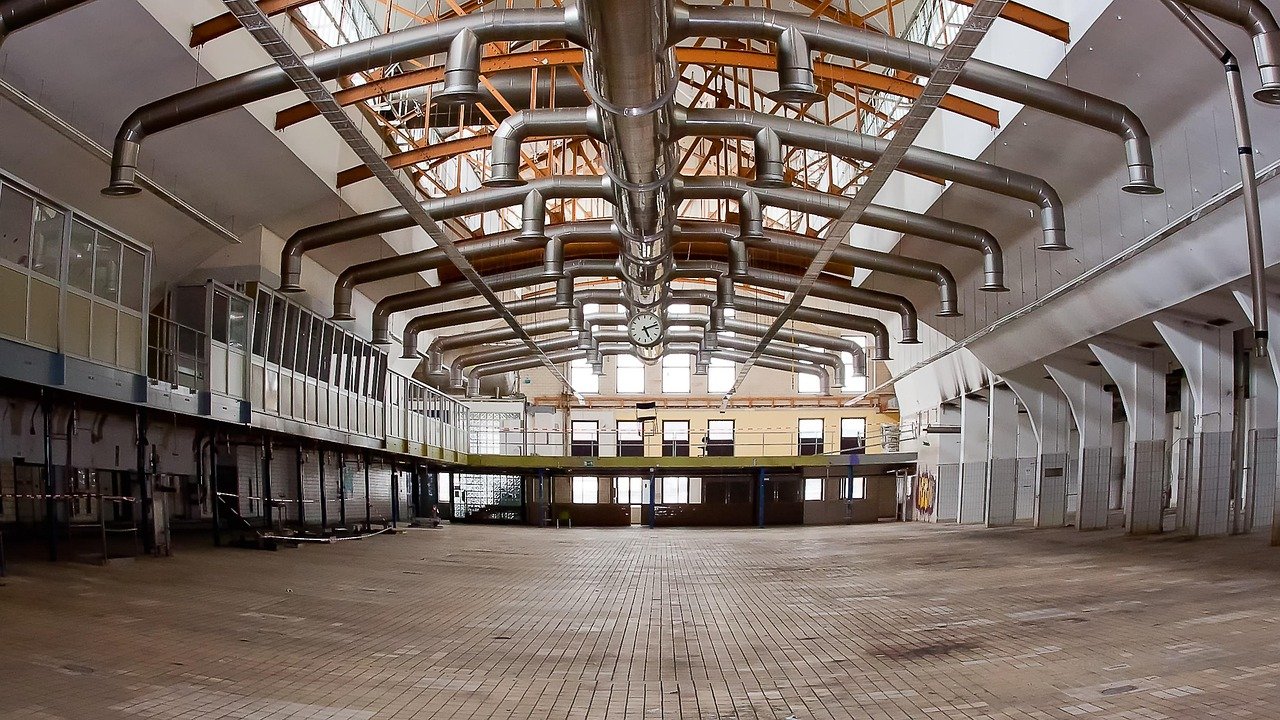

Adapting to Change: Flexibility in Industrial Property Design for Modern Manufacturing
The Evolution of Industrial Property Design
Traditional industrial property design primarily focused on efficiency and cost-effectiveness. However, the rapid pace of technological advancements and shifts in market demands are causing a paradigm shift; modern manufacturing necessitates flexibility in industrial property design. As manufacturers adapt to these changes, the layout, infrastructure, and functionality of industrial spaces must also evolve.
Key Drivers of Change
Several factors drive the need for flexibility in industrial property design:
-
Technological Advancements: The Industry 4.0 revolution, characterized by automation and data exchange in manufacturing technologies, necessitates spaces that can quickly accommodate new machinery and processes.
-
E-commerce Growth: The rise of e-commerce has prompted manufacturers to rethink their operational strategies, requiring adaptable spaces for efficient warehousing and logistics.
-
Sustainability and Environmental Concerns: As businesses increasingly prioritize eco-friendly practices, designing flexible spaces that incorporate green technologies is essential. This not only supports sustainability but also aligns with consumer preferences for environmentally responsible brands.
-
Global Supply Chain Dynamics: Geopolitical factors and global health crises, such as the COVID-19 pandemic, have disrupted supply chains. Manufacturers must design properties that allow for rapid adjustments to supply chain strategies, including diversifying suppliers and increasing inventory.
Elements of Flexible Industrial Property Design
-
Modular Spaces: Modular designs allow manufacturers to reconfigure layouts as needed. By using movable walls and partitions, businesses can adjust the size of manufacturing areas, meeting varying production demands without significant downtime.
-
Multi-purpose Facilities: Designing facilities that can serve multiple functions helps manufacturers swiftly transition between different production processes or product lines. Multi-purpose spaces encourage innovation and reduce the risk of underutilization.
-
Integrated Technology: Smart factories equipped with the Internet of Things (IoT) devices necessitate networked infrastructures. Industrial properties should support advanced connectivity, ensuring real-time data collection and machine communication.
-
Sustainable Materials and Practices: The choice of materials greatly impacts the longevity and adaptability of industrial spaces. Utilizing sustainable materials, such as recycled steel and non-toxic paints, not only enhances compliance with environmental regulations but also simplifies future renovations or upgrades.
-
Flexible Energy Solutions: As energy prices fluctuate and environmental regulations evolve, incorporating flexible energy systems is vital. Solar energy panels, energy-efficient HVAC systems, and smart grids can help manufacturers readily adapt to changing energy needs.
Benefits of Flexibility in Industrial Property Design
-
Enhanced Operational Efficiency: A flexible layout allows manufacturers to streamline operations and respond to unexpected changes in demand. This ultimately leads to reduced operational costs and improved productivity.
-
Attracting Investment: Investors are increasingly interested in businesses that prioritize adaptability and sustainability, making flexible industrial property designs a more attractive venture.
-
Employee Satisfaction and Retention: Work environments that prioritize flexibility often lead to improved employee morale and productivity. Spaces that promote collaboration, well-being, and job satisfaction can significantly reduce employee turnover.
-
Competitive Advantage: Companies that can pivot quickly in response to market changes gain a significant competitive edge. Flexible industrial properties enable faster response times to market demands and industry trends.
Trends Shaping Future Industrial Property Design
-
Automation and Robotics: As automated systems become more prevalent, industrial spaces need to accommodate robotics effectively. This includes designing for safe human-robot interaction and ensuring structural support for robotic systems.
-
3D Printing: Manufacturers are increasingly using 3D printing for prototyping and production. Industrial property designs must provide dedicated areas for these technologies, allowing for the quick adjustment of production lines.
-
Sustainable Practices: The move towards zero-carbon operations requires rethinking industrial property layouts. Facilities that support renewable energy sources, waste recycling, and sustainable sourcing are becoming more essential.
-
Digital Twins: The integration of digital twin technology—virtual replicas of physical systems—allows manufacturers to optimize operations in real-time. Properties must support digital infrastructures to capture and analyze operational data effectively.
Challenges in Implementing Flexible Designs
-
Initial Costs: While the long-term benefits of flexible design can be substantial, the initial investment can be a barrier for many companies. Balancing upfront costs with expected returns is crucial.
-
Regulatory Compliance: Adhering to zoning laws and regulations can complicate the implementation of flexible designs. Understanding regional requirements is essential for effective property development.
-
Cultural Resistance: Organizational culture may resist changes that come with flexible designs. Engaging and educating employees during transitions can help mitigate resistance and encourage buy-in.
-
Maintenance and Upkeep: Ensuring that flexible systems are maintained requires ongoing investment in training and resources. Regular assessments are needed to ensure systems meet changing demands.
Conclusion on Flexibility in Industrial Property Design
Flexibility in industrial property design is no longer a competitive advantage but a necessity in modern manufacturing. By embracing adaptability, manufacturers can not only withstand market fluctuations but also innovate and thrive. As we look towards the future, the continued evolution of flexible industrial spaces will play a critical role in the success of businesses worldwide.
