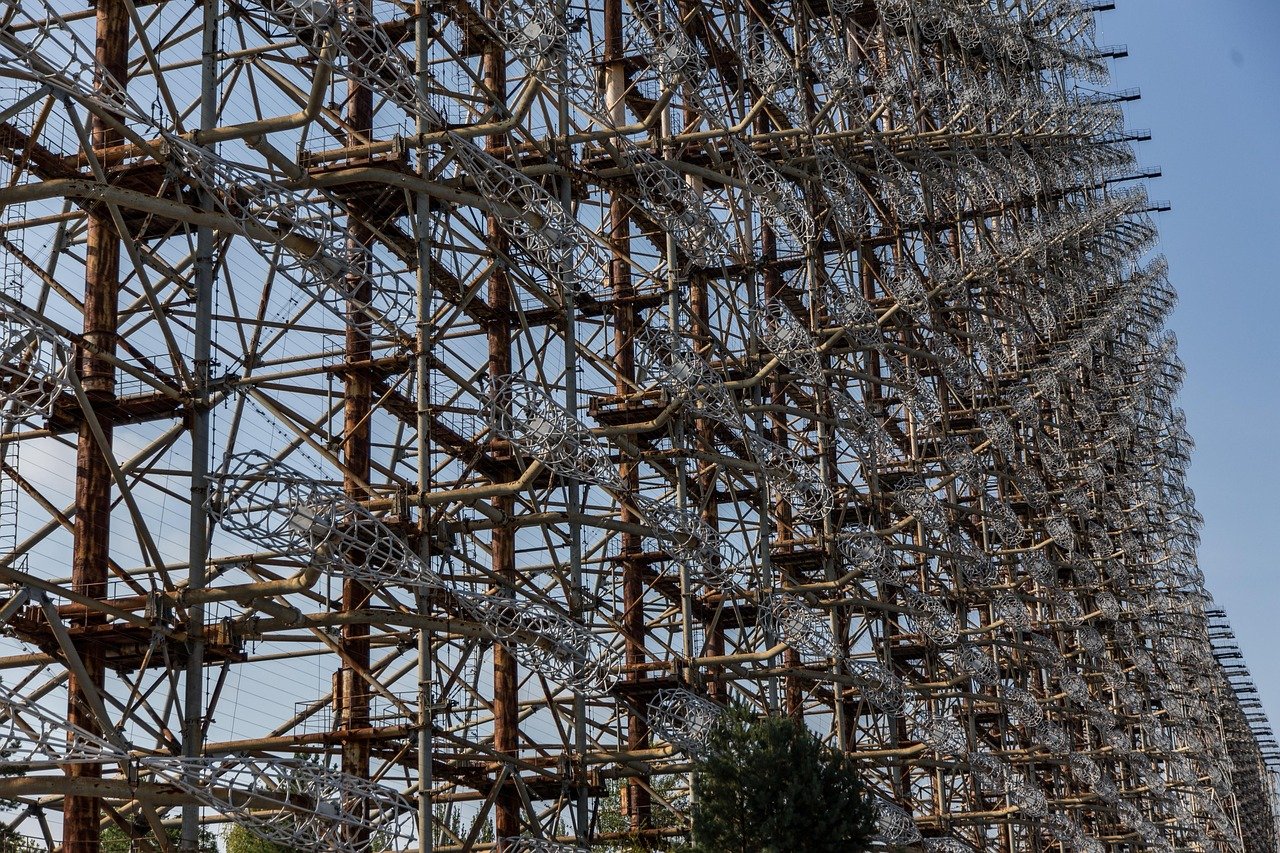

The Changing Landscape of Industrial Properties
The industrial property sector is undergoing transformations due to shifting global supply chains. Factors such as e-commerce growth, technological advancements, and geopolitical tensions are shaping the demand and functionality of industrial spaces.
Key Challenges in Industrial Property
1. Supply Chain Disruptions
Global events like the pandemic and geopolitical tensions have caused significant disruptions in supply chains. These disruptions lead to uncertainties in demand for industrial spaces, affecting leasing agreements and rental prices.
2. Rising Construction Costs
The combination of material shortages and labor challenges has inflated construction costs in the industrial property sector. Developers are facing increased expenses for raw materials, and securing skilled labor has become more challenging due to a competitive job market.
3. Sustainability Demands
Environmental regulations and the rise of corporate social responsibility are pushing industrial properties to become greener. Property owners must invest in sustainable practices and technologies, which require substantial upfront investment, thus tightening budgets.
4. Technological Adaptation
Rapid advancements in technology, such as automation and smart warehousing solutions, require existing industrial properties to adapt. Older facilities may not support the latest technology, leading to increased renovation costs.
5. Zoning Regulations
Navigating complex zoning laws can be a significant hurdle for developers and investors. Variability in regulations across regions can lead to delays in project approvals and increased operational costs.
Opportunities in Industrial Property
1. E-commerce Boom
The surge in e-commerce has dramatically increased demand for industrial spaces, particularly last-mile fulfillment centers. Properties located near urban centers are highly sought after to cater to fast delivery expectations, presenting lucrative investment opportunities.
2. Logistics and Supply Chain Resilience
Businesses are restructuring their logistics operations to enhance supply chain resilience. This creates demand for advanced distribution centers equipped with technology to support real-time inventory management and efficient operations.
3. Adaptive Reuse of Properties
The trend of adaptive reuse allows older industrial properties to be repurposed for modern needs. Developers can transform outdated warehouses into tech hubs or multi-use facilities, providing cost-effective solutions while preserving historical structures.
4. Industrial Internet of Things (IIoT)
The integration of IIoT in industrial properties enhances operational efficiency. Properties that incorporate smart technology for monitoring and automation appeal to tech-savvy companies. Investors can capitalize on this trend by upgrading existing units with IIoT capabilities.
5. Increased Investment in Infrastructure
Government investments in infrastructure to support logistics and transportation networks present opportunities for developers. Enhanced infrastructure can lead to increased accessibility, driving up property values in well-connected regions.
Location Recalibration
1. Nearshoring Trends
The trend towards nearshoring — relocating production closer to the consumer market — is gaining traction. This shift encourages companies to invest in industrial properties within geographic proximity to their customer base, leading to increased demand in previously less desirable areas.
2. Suburban Developments
As remote work becomes more commonplace, suburban industrial properties are beginning to gain traction. Companies are seeking out warehouses and distribution centers outside urban cores to reduce costs while still maintaining accessibility to their workforce.
The Role of Technology
1. Automation in Warehousing
Automation is transforming warehousing processes, leading to the need for specialized industrial spaces. Properties equipped with the infrastructure to support robotics and automated systems can attract higher quality tenants.
2. Data Analytics
The use of data analytics is revolutionizing how industrial properties are managed. By leveraging data, property managers can optimize operations, reduce costs, and identify trends that could affect tenant retention and property value.
Globalization Impacts
1. Geopolitical Considerations
Developers must navigate geopolitical risks that can impact supply chains. Tensions between trade powers may affect the viability of specific regions for investment in industrial property, requiring diversified portfolios to mitigate risk.
2. Diverging Markets
The industrial property sector experiences varied growth rates across global markets. While emerging markets may present new opportunities, they also carry inherent risks. Investors must thoroughly research local conditions to make informed decisions.
Financing Scenarios
1. Evolution of Funding Sources
With the evolving industrial landscape, traditional funding sources are adapting. Real estate investment trusts (REITs), private equity, and crowdfunding platforms are emerging in the industrial property sector, broadening the investor base.
2. Tax Incentives
Governments are introducing tax incentives to spur investment in industrial properties, particularly those focused on sustainability and technological enhancement. Investors can leverage these incentives to support upgrading properties to meet modern standards.
Changing Tenant Expectations
1. Flexibility
In today’s climate, tenants are increasingly seeking flexible lease arrangements. Property owners must be ready to cater to these demands, whether through short-term leases or customizable spaces, essential for accommodating diverse business needs.
2. Enhanced Amenities
Modern tenants expect more than just a functional space; they seek environments that support employee well-being and productivity. Owners can increase property attractiveness by integrating amenities like fitness centers and collaborative workspaces.
Conclusion and Future Directions
The industrial property sector is at a pivotal moment characterized by both challenges and opportunities. Emerging trends indicate that adaptability, sustainability, and technological integration will be key drivers of success in navigating this evolving landscape. As businesses and investors respond to the shifting global supply chain dynamics, the next few years will determine the trajectory of industrial properties in enhancing economic resilience. This sector represents a compelling frontier for strategic investment and innovation amidst changing demand dynamics.
