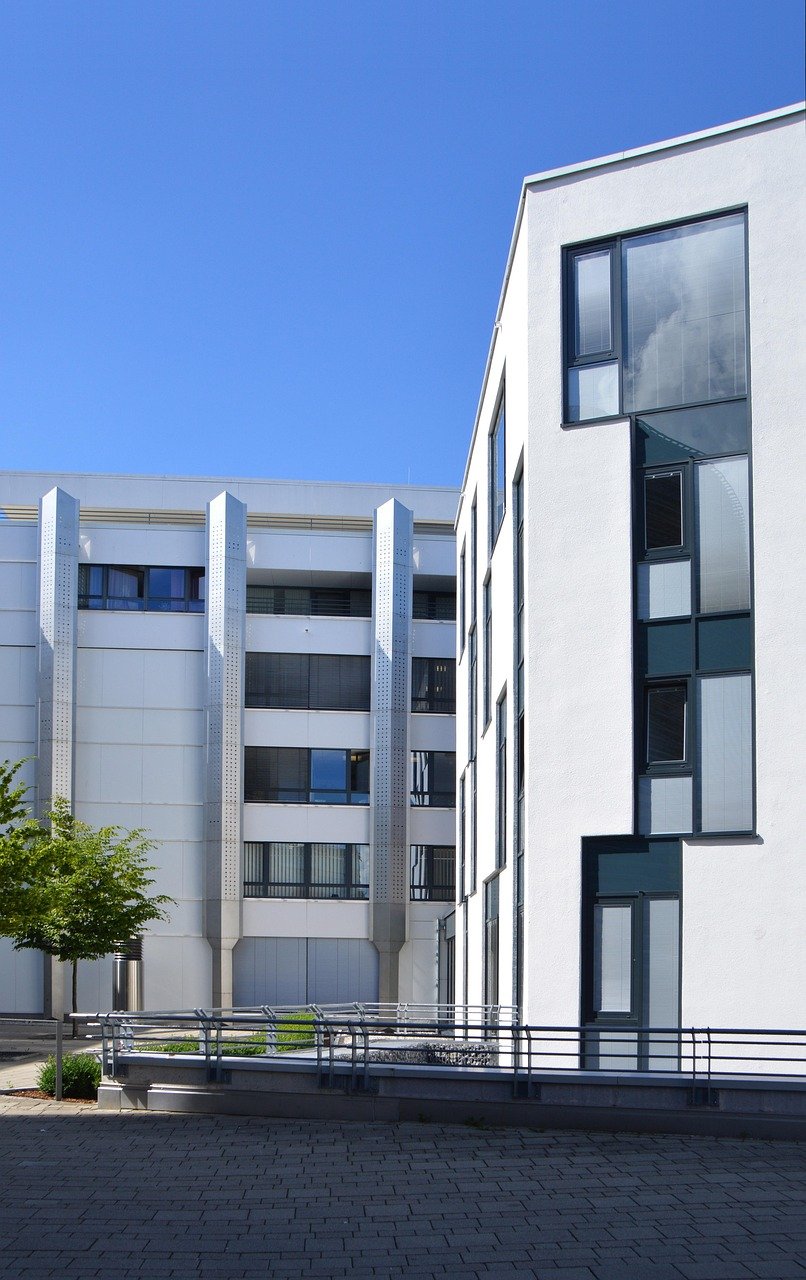

Urban Apartment Market Sees Surge in Demand as Remote Work Persists
The urban apartment market has experienced a noteworthy transformation as the conditions surrounding work and lifestyle are reshaped by the remote work trend. As professionals adapt to flexible work arrangements, there has been a profound increase in demand for urban living spaces that cater to this new way of life. This surge is influenced by several factors, including lifestyle preferences, accessibility, and technology shifts.
Evolving Work Culture
The pandemic ushered in a new era of working habits, with many companies opting for more permanent remote work policies. This change has prompted individuals to rethink their living situations. Urban areas, once considered bustling workplaces, are now being reimagined as centers for lifestyle convenience. Notably, employees are prioritizing their living arrangements to accommodate both work and leisure in urban settings.
Desirable Amenities
As the lines dividing work and home continue to blur, the demand for modern urban apartments with desirable amenities has surged. Features like high-speed internet connectivity, dedicated workspaces, and communal areas for collaboration become essential. Apartments with flexible layouts that cater to home offices are particularly sought after, as they allow residents to create productive work environments while enjoying their own spaces.
Moreover, buildings offering amenities such as fitness centers, rooftop gardens, and coworking spaces have become increasingly attractive to potential renters. These offerings serve as lifestyle enhancers, indicating that location requires more than just proximity to the office; urban apartments now need to foster a work-life balance.
The Shift to Suburban Areas
Although demand for urban apartments remains strong, there is also an observable trend of people moving towards suburban areas. This migration is driven by the desire for more space, affordability, and a quieter lifestyle while still within commuting distance of major cities. Urban developers are responding by creating suburban developments that incorporate urban-style amenities, such as mixed-use spaces that blend residential, retail, and office functionalities.
As technology allows seamless remote working capabilities, people are opting for larger living spaces where they can maintain their home offices without sacrificing comfort. This trend indicates a balancing act between the benefits of urban living and the comforts of suburban life.
Technology’s Role in Urban Living
The rise of technology has played a pivotal role in shaping the urban apartment market. High-speed internet has become a non-negotiable necessity for remote workers. Landlords and developers are increasingly recognizing the importance of installing robust technological infrastructures, such as fiber-optic internet, to attract tenants desiring high connectivity.
Smart home technologies also enhance the appeal of urban apartments. Features like smart thermostats, automated lighting systems, and integrated home security systems make urban living not only more convenient but also energy-efficient. Developers are focusing on creating smart apartments that cater to tech-savvy renters, tapping into the growing trend of automated living.
Impact on Rental Prices
The growing demand for urban apartments has naturally led to fluctuations in rental prices. In certain cities, particularly those that had seen a temporary decline in rents due to the pandemic, there has been a notable rebound. As tenants prioritize urban amenities and convenient lifestyles, newly rented units often see bidding wars, particularly in areas with high demand.
Real estate experts note that while rental increases are evident, affordability concerns are still prevalent. Therefore, urban developers are increasingly diversifying their offerings to include affordable units designed for individuals and families looking to live in urban centers without breaking the bank. This balanced approach can help address the growing need for economic inclusivity in urban developments.
Lifestyle Preferences and Urban Living
As remote work continues, lifestyle preferences are evolving. Urban apartments are being designed with increased attention to social spaces that cultivate community interactions among residents. Shared kitchens, rooftop lounges, and communal coworking spaces can enhance the sense of community and fulfillment that many people desire, especially after extended periods of isolation.
In a post-pandemic world, millennials and Gen Z are showing a preference for experiences over material possessions. This shift has heightened the appeal of urban neighborhoods that offer vibrant cultural scenes, access to restaurants, parks, and public transportation. Apartment developers are increasingly tapping into these lifestyle preferences to foster a community-oriented living experience.
Urban Sustainability Initiatives
Today’s urban apartment market is also seeing an increasing emphasis on sustainability. Eco-friendly building practices and green certifications are becoming significant selling points for both developers and renters. Individuals are more inclined to support communities that focus on sustainability, suggesting that urban living can align with environmentally conscious choices.
Many urban developments are integrating green spaces, using sustainable materials, and promoting energy-efficient systems. Additionally, the introduction of electric vehicle charging stations and bicycle storage is becoming commonplace, reflecting a commitment to reducing carbon footprints. These initiatives appeal particularly to eco-conscious renters looking to lead a sustainable lifestyle.
Transformative Impact on Urban Landscape
The continued surge in demand for urban apartments not only reshapes the residential market but also transforms the urban landscape. Developers are tasked with reimagining underutilized urban spaces, leading to innovative architectural designs that blend the historical fabric of cities with modernity.
Mixed-use developments that craft unified environments where work, play, and living coexist have become a cornerstone of urban planning. This dynamic encourages a more holistic approach to city development, fostering environments that enhance quality of life and community engagement.
Conclusion
The urban apartment market’s surge in demand due to the persistence of remote work is reshaping how we view urban living. With evolving work dynamics, enhanced technology, changing lifestyle preferences, and a growing emphasis on sustainability, urban areas are poised to continue their evolution. As cities adapt to new demands, urban apartments are increasingly becoming more than just living spaces—they are the heart of a community designed for harmony, productivity, and well-being.
