
Island Living: Exploring Eco-Friendly Communities in the U.S.
The Allure of Island Living
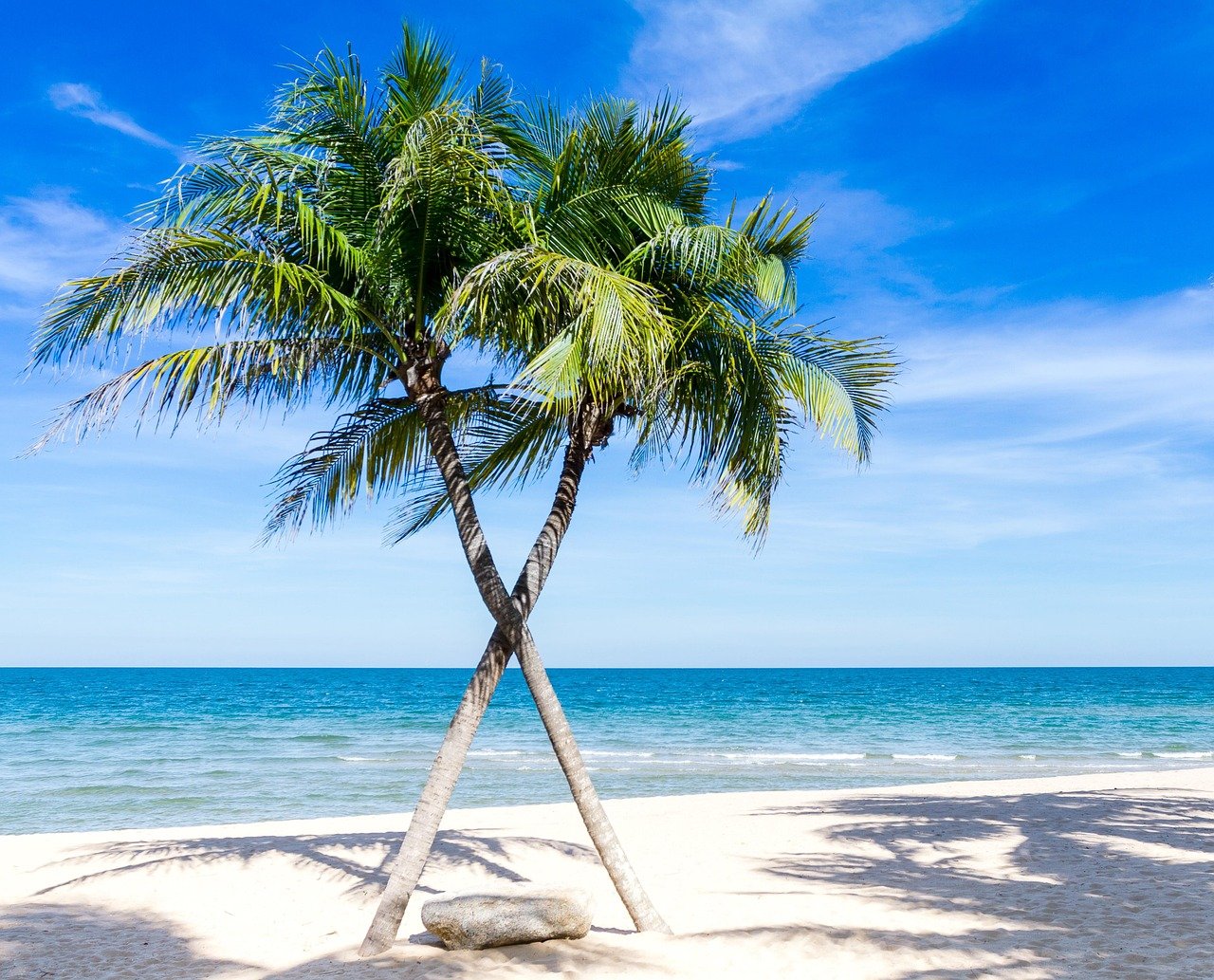
Island living has long been romanticized in literature and media, conjuring images of palm trees swaying in the breeze, tranquil beaches, and a laid-back lifestyle. However, beyond the idyllic scenery, many U.S. islands have embraced eco-friendly practices, creating sustainable communities that harmonize with nature. These eco-friendly communities prioritize ecological responsibility, renewable energy, and community well-being.
The Rise of Eco-Friendly Communities
As climate change concerns mount, more people are drawn to sustainable living. Eco-friendly communities offer a solution by combining lifestyle with environmental consciousness. Islands in the U.S. have become fertile grounds for innovative sustainability practices, illustrating how integrated living can thrive alongside preserving natural ecosystems.
Notable Eco-Communities Across U.S. Islands
-
Maui, Hawaii
- Maui’s eco-friendly initiatives focus on sustainable tourism, renewable energy, and local agriculture. Communities like Paia and Haiku showcase eco-living efforts, including organic farms, bamboo building techniques, and solar-powered homes. The Hawaiian commitment to ‘aloha aina’ translates to ‘love for the land,’ emphasizing conservation and cultural preservation.
-
San Juan Islands, Washington
- The San Juan Islands are home to various eco-friendly communities. Orcas Island, in particular, is known for its strong focus on sustainability. Residents often utilize wind and solar energy, and the island has a vibrant local food scene with farmers’ markets and community-supported agriculture (CSA) programs. Conservation efforts are paramount, with organizations actively working to protect local wildlife and their habitats.
-
Block Island, Rhode Island
- Block Island is a pioneer in renewable energy, generating over 90% of its energy from wind. The island community promotes initiatives such as recycling programs and conservation efforts. Its beaches are protected through local regulations, ensuring minimal impact on marine life, while local businesses support sustainable practices by offering eco-conscious products and services.
-
Kauai, Hawaii
- Known as the “Garden Isle,” Kauai represents a model for sustainable living. The community focuses on permaculture and organic farming. Eco-resorts and lodges prioritize materials that minimize environmental impact, while local organizations work towards preserving the island’s unique ecosystems through forest restoration and conservation education.
-
Tybee Island, Georgia
- Tybee Island has adopted eco-friendly transportation options, including bike rental programs and electric shuttle services. The community emphasizes the importance of beach conservation while promoting local art and culture. Their initiatives to reduce littering and promote marine life conservation create a cleaner, greener island experience.
Eco-Friendly Practices in Island Communities
When exploring these eco-friendly communities, certain sustainable practices consistently stand out, showcasing innovative approaches to living harmoniously with nature.
1. Renewable Energy
The shift towards renewable energy sources, such as solar, wind, and geothermal, is evident in many island communities. For instance, islands with high wind potential are harnessing this resource through turbines. Residents are increasingly investing in solar panels, taking advantage of long sunny days. Moreover, community energy programs encourage local sourcing and reduce dependence on fossil fuels.
2. Sustainable Agriculture
Community Supported Agriculture (CSA) programs thrive in these eco-communities, connecting local farmers with residents. By consuming seasonal, organic produce, residents reduce their carbon footprint and support local economies. Initiatives like aquaponics and vertical farming further support sustainable practices, offering innovative food production methods that are both efficient and environmentally friendly.
3. Waste Reduction
Island communities often adopt waste management practices that focus on recycling and composting. By organizing local clean-up events and educational workshops, residents foster a culture of sustainability. Some islands have introduced strict regulations on plastic waste, promoting the use of biodegradable materials and reusable products.
4. Eco-Tourism
These unique islands have transformed tourism into an eco-friendly experience. Eco-tourism promotes awareness about environmental conservation, offering activities that do not harm natural ecosystems. Many businesses focus on educating tourists on local flora and fauna, emphasizing the importance of respecting nature during their visits.
Paths to Sustainable Living
Each eco-friendly island community represents a pathway to sustainable living that can inspire individuals and other communities nationwide. The emphasis on local engagement and education demonstrates the potential for change. By embracing these practices, residents foster a collective connection not only to their environment but also to each other.
Challenges and Future Directions
While the rise of eco-friendly communities is promising, they face challenges such as tourism’s impact on natural resources, climate change-induced weather patterns, and economic pressures that may threaten sustainability initiatives. The ongoing conversation regarding land use, preservation, and conservation will be paramount in guiding these communities into the future.
-
Balancing Development and Conservation: Striking the right balance between development and conservation is vital. Communities must work together to create land-use policies that encourage sustainable development while protecting fragile ecosystems.
-
Education and Engagement: Continued emphasis on education will help foster a culture of sustainability. By involving residents and tourists in local initiatives, islands can create a shared sense of responsibility for preserving their beautiful environments.
-
Investment in Technology: Future developments in sustainable technology hold great promise. By investing in green technology, islands can enhance their resilience to climate change while maintaining a sustainable lifestyle.
Embracing a Sustainable Lifestyle
The journey to eco-friendly living starts with individual choices, and island communities exemplify how collective efforts can lead to meaningful change. The relationships forged within these conscious societies pave the way for future generations. By celebrating and supporting eco-communities, American islands illustrate that living in harmony with nature can create a sustainable, fulfilling lifestyle rooted in environmental stewardship.
