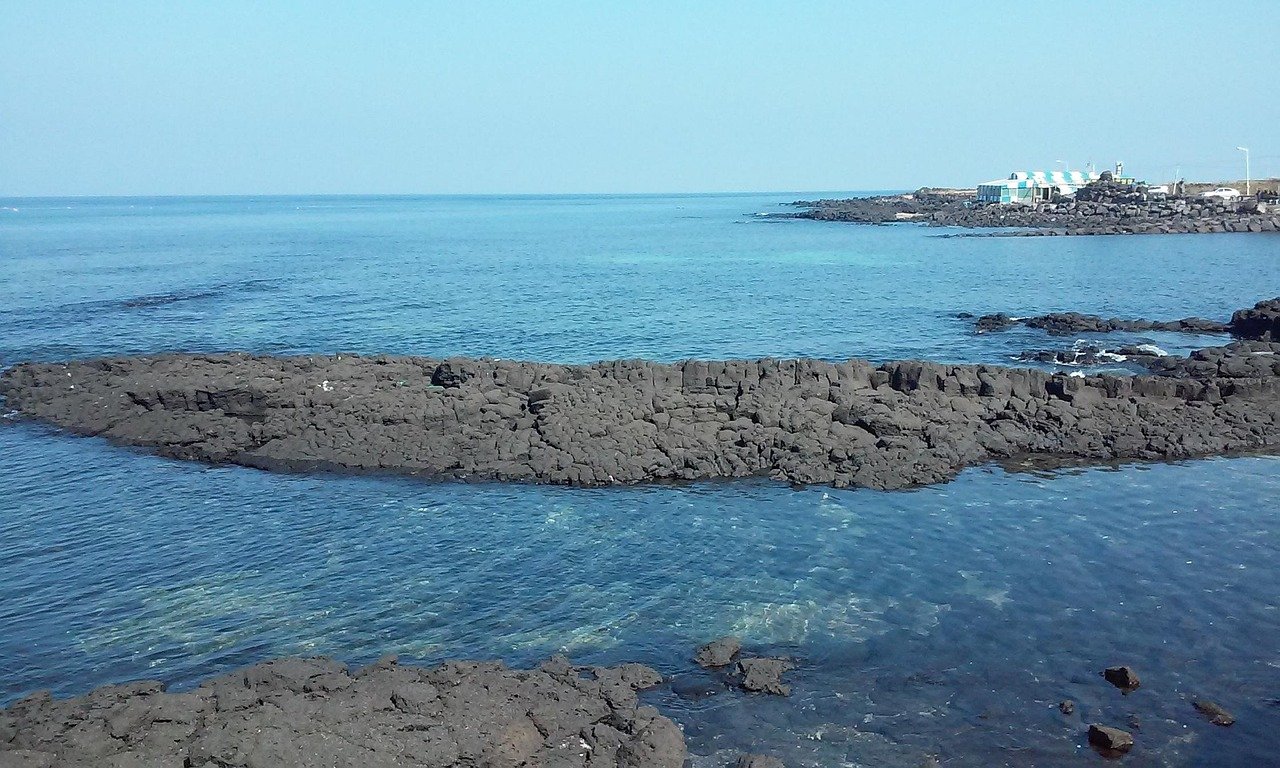

Reimagining Island Life: The Growth of Eco-Friendly Residential Developments
The Rise of Eco-Design in Island Living
Island living has long been associated with serene landscapes, coastal breezes, and vibrant cultures. However, amidst growing environmental concerns and climate change repercussions, a new paradigm is emerging: eco-friendly residential developments. These projects emphasize sustainable living through innovative designs, renewable resources, and harmonious integration with nature. The integration of eco-design principles is crucial for creating eco-friendly communities that preserve the island’s unique environment while providing modern conveniences.
Key Features of Eco-Friendly Island Developments
-
Sustainable Architecture
Eco-friendly residences are frequently constructed using sustainable materials, such as recycled steel, bamboo, and locally sourced timber. These materials not only reduce the carbon footprint associated with transportation but also support local economies. Moreover, features like open floor plans and large windows enhance natural light and ventilation, significantly decreasing reliance on artificial heating and cooling. -
Energy Efficiency
Many eco-friendly island homes incorporate energy-efficient systems, including solar panels, geothermal heating, and high-performance insulation. Solar energy is particularly relevant for islands, where sunlight is abundant. For example, Tesla’s solar roof tiles can seamlessly blend aesthetics with functionality, transforming a home’s energy dynamics. -
Water Conservation
Sophisticated rainwater harvesting systems collect and purify rain for household use and irrigation. This feature is essential for islands facing freshwater shortages. Furthermore, greywater recycling systems allow for the reuse of wastewater for non-potable applications, further mitigating water scarcity issues. -
Native Landscaping
Eco-friendly developments prioritize landscaping with native flora that thrives in the local climate, minimizing the need for harmful pesticides and irrigation. By establishing gardens that replicate the local ecosystem, developers can assist in preserving biodiversity while providing natural habitats for local wildlife. -
Community Focus
Successful eco-friendly developments foster a sense of community, emphasizing pedestrian-friendly environments, shared green spaces, and community gardens. These communal areas encourage social interaction and promote sustainable practices, such as gardening and recycling.
The Economic Impact of Eco-Friendly Developments
Investing in eco-friendly residential communities not only benefits the environment but also generates significant economic advantages. Property values in green developments often outperform conventional real estate due to the increasing demand for sustainable living. According to a survey by the National Association of Realtors, 61% of buyers consider energy-efficient features important, thus making these properties more attractive.
Moreover, eco-friendly developments can lower utility costs for homeowners, leading to sustained financial benefits over time. Renewable energy systems, particularly solar installations, significantly reduce electricity bills, which is a compelling selling point for potential buyers.
The Role of Government and Policy
Government initiatives are crucial in facilitating eco-friendly development on islands. Incentive programs, tax breaks, and grants for sustainable practices encourage developers to pursue environmentally responsible construction practices. For instance, zoning laws can be amended to favor eco-friendly buildings, promoting the use of green building certifications, such as LEED (Leadership in Energy and Environmental Design).
Additionally, governments can partner with developers to create eco-tourism opportunities that leverage the green credentials of island communities. This approach not only aids local economies but also elevates the global profile of eco-friendly living.
Case Studies from Around the Globe
-
Eco-Resorts in Hawaii
Hawaii has taken significant strides in eco-friendly residential developments, particularly in eco-resorts that prioritize sustainability. The Kalani Sustainable Resort features renewable energy systems, local food sourcing, and cultural preservation initiatives, making it a model for island living. -
Frogmore: A Case Study in the Caribbean
In the Caribbean, Frogmore is leading the way with its eco-focused community that merges residential development with environmental stewardship. Striking architecture utilizing local materials combined with comprehensive waste management and energy systems epitomizes sustainable island life. -
The Maldives Projects
The Maldives, heavily affected by rising sea levels, showcases cutting-edge eco-residential projects that elevate climate resilience. Many resorts are using floating technology, solar energy, and nature-based solutions to enhance sustainability while minimizing ecological footprints.
Technology’s Role in Sustainable Island Living
The integration of technology in eco-friendly developments is indispensable. Smart home systems enable homeowners to monitor and control energy use, promoting efficient practices through data analytics. Internet of Things (IoT) technologies facilitate not just energy management but also water conservation and security.
The incorporation of electric vehicle (EV) charging stations within developments fosters an eco-conscious lifestyle, making it easier for residents to transition to electric mobility. Moreover, smart landscaping solutions enable the automation of irrigation systems, ensuring that plants receive the precise amount of water they need.
Challenges and Considerations
While the growth of eco-friendly residential developments presents exciting opportunities, challenges remain. The initial costs of green construction can be higher than traditional building methods, deterring some developers. Furthermore, there’s a need for widespread public education regarding the benefits of sustainable living to drive community buy-in.
Local governments must balance development with conservation. Policies that address land use, infrastructure, and environmental protections are essential to avoid potential ecological pitfalls that can arise from rapid development.
The Future of Eco-Friendly Island Developments
As global awareness regarding climate change intensifies, the demand for eco-friendly residential developments is set to soar. Innovations in construction materials and techniques, coupled with advancements in renewable energy technology, will usher in a new era of sustainable living on islands.
In conclusion, the future of island life will likely be defined by eco-consciousness, where communities thrive sustainably while respecting the delicate ecosystems that surround them. By prioritizing ecological integrity alongside modern conveniences, island living can deliver not just beautiful environments but also resilience against the impending challenges of climate change.
