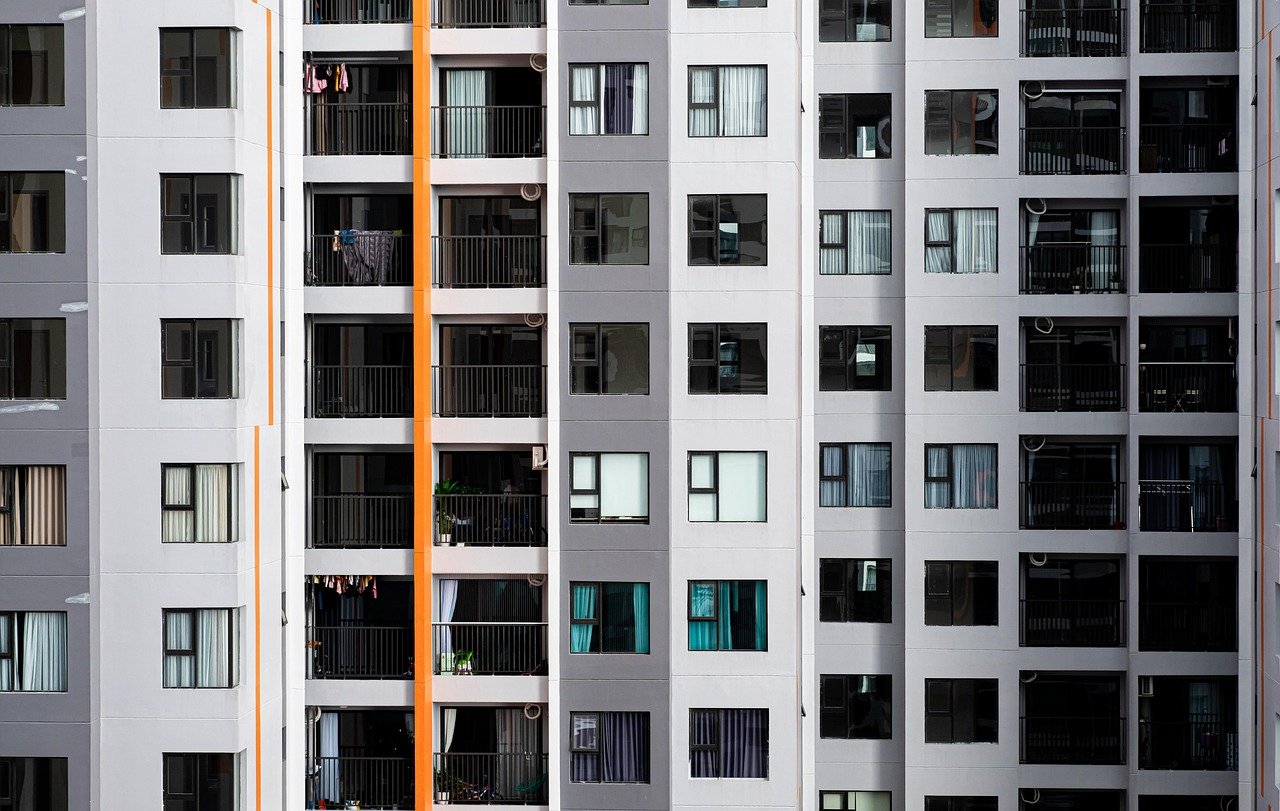

The Rise of Eco-Friendly Materials in Home Construction
The construction industry is amidst a transformative shift toward sustainability, influenced by growing environmental awareness, advancements in technology, and consumer demand for more responsible practices. The rise of eco-friendly materials is redefining home construction, providing sustainable alternatives that reduce environmental impact while enhancing the quality of living spaces.
Understanding Eco-Friendly Materials
Eco-friendly construction materials, also known as sustainable or green materials, are those that have a minimal impact on the environment throughout their lifecycle. This includes raw material extraction, production, application, and eventual disposal or recycling. Key characteristics of eco-friendly materials include renewability, recyclability, non-toxicity, and lower energy consumption during manufacturing.
Types of Eco-Friendly Materials
-
Bamboo:
Known for its rapid growth, bamboo is a highly renewable resource. It exhibits incredible strength and durability, making it suitable for flooring, cabinetry, and even structural applications. Additionally, bamboo absorbs carbon dioxide at a significant rate, further contributing to its environmental benefits. -
Recycled Steel:
Steel production is energy-intensive, but recycled steel significantly reduces this consumption. Using recycled steel minimizes waste and energy use and offers durability and resilience against extreme weather, making it ideal for frames and roofing. -
Sustainable Wood:
Sourced from responsibly managed forests, sustainable lumber minimizes deforestation impacts. Certifications like FSC (Forest Stewardship Council) ensure that the wood originates from sustainably managed resources. This material is widely used for framing, flooring, and cabinetry. -
Reclaimed Materials:
Reclaimed wood, bricks, and metals are salvaged from older buildings. This practice not only reduces waste but also adds character to new homes. Reclaiming materials decreases the need for new resources and minimizes the energy used in the manufacturing process. -
Hempcrete:
A bio-composite made from hemp fibers and lime, hempcrete is a lightweight, highly insulative material. It allows for moisture regulation and is non-toxic. Hemp grows rapidly and can capture significant amounts of carbon during its growth cycle. -
Straw Bales:
Straw bales provide excellent insulation and thermal mass properties. They are typically used in wall systems and can significantly reduce heating and cooling costs. As agricultural waste, straw bales contribute to a circular economy. -
Recycled Glass:
Used in countertops, tiles, and decorative elements, recycled glass reduces landfill waste and the environmental impact of manufacturing new glass. This versatile material comes in a variety of styles and colors, allowing designers to create stunning aesthetics. -
Low-VOC Paints and Finishes:
Volatile organic compounds (VOCs) are harmful chemicals often found in traditional paints and finishes. Low-VOC or zero-VOC options improve indoor air quality while providing similar aesthetic benefits without toxicity, which is paramount for residential health.
Benefits of Using Eco-Friendly Materials
-
Environmental Impact: Eco-friendly materials significantly reduce carbon emissions and resource depletion, contributing to a more sustainable construction process. By utilizing materials that require less energy or are made from waste, the ecological footprint of homes decreases.
-
Healthier Indoor Environments: Homes constructed with non-toxic materials promote better indoor air quality. Low-VOC and natural materials minimize harmful chemical exposure, fostering health and well-being for occupants.
-
Energy Efficiency: Sustainable materials often enhance energy efficiency through superior insulation and thermal regulation properties. Homes built with these materials typically experience lower energy bills associated with heating and cooling.
-
Cost Savings: While the initial investment in eco-friendly materials can be higher than conventional options, the long-term savings from reduced energy bills and lower maintenance costs make them more economical over time.
-
Increased Property Value: Eco-friendly homes are increasingly desirable in the real estate market. As buyers become more conscious of sustainability, properties built with eco-friendly materials often command higher prices and quicker sales.
The Role of Technology in Eco-Friendly Construction
Technological advancements are amplifying the effectiveness of eco-friendly materials. Innovations in manufacturing processes are improving material performance while lowering environmental impact. For instance, 3D printing technology can create complex building components from recycled materials, significantly reducing waste and construction time.
Smart home technologies also play a role by integrating energy-efficient systems. Solar panels, energy-efficient appliances, and smart thermostats can complement eco-friendly materials, further enhancing energy savings and sustainability.
Challenges in Adopting Eco-Friendly Materials
Despite their benefits, several challenges remain in the widespread adoption of eco-friendly materials:
-
Cost and Availability: Although prices are gradually decreasing, some sustainable materials may still be more expensive than traditional options. Furthermore, availability can be an issue, especially in specific regions.
-
Regulatory Hurdles: Building codes and zoning laws do not always accommodate innovative materials and construction techniques. This can limit the use of certain eco-friendly materials and practices.
-
Consumer Awareness and Misconceptions: Many consumers still lack awareness of the benefits of eco-friendly materials, often associating them with high costs or inferior quality. Education and marketing efforts are crucial to changing perceptions.
Future Trends in Eco-Friendly Home Construction
The future of eco-friendly materials in home construction looks promising. With increasing awareness of climate change and sustainability, expect the following trends:
-
Biopolymers and Bio-Based Materials: Researchers are developing materials from organic sources, such as mycelium (mushroom roots) and agriculture byproducts, which can replace plastics in construction.
-
Advanced Recycling Technologies: Innovations in recycling could transform materials like plastics into high-quality construction components, reducing waste and dependence on virgin materials.
-
Carbon-Negative Materials: Emerging materials that absorb more carbon than they emit throughout their lifecycle are on the horizon. These could revolutionize the industry by offering truly sustainable options.
-
Modular and Prefabricated Construction: Prefab elements made from sustainable materials allow for faster assembly on-site, reducing waste and energy consumed in constructing traditional homes.
-
Increased Collaboration: Increased collaboration between architects, builders, and material suppliers can facilitate knowledge sharing and promote best practices in using eco-friendly materials.
Conclusion
The rise of eco-friendly materials in home construction signifies a pivotal shift toward sustainable living and responsible building practices. As innovation meets growing consumer demand, the construction industry is poised to make significant strides in promoting eco-friendly materials, enhancing both the environment and the quality of life for future generations. The ongoing evolution of sustainable construction practices ensures that eco-friendly building materials will continue to play a crucial role in shaping our living spaces and our planet’s future.
