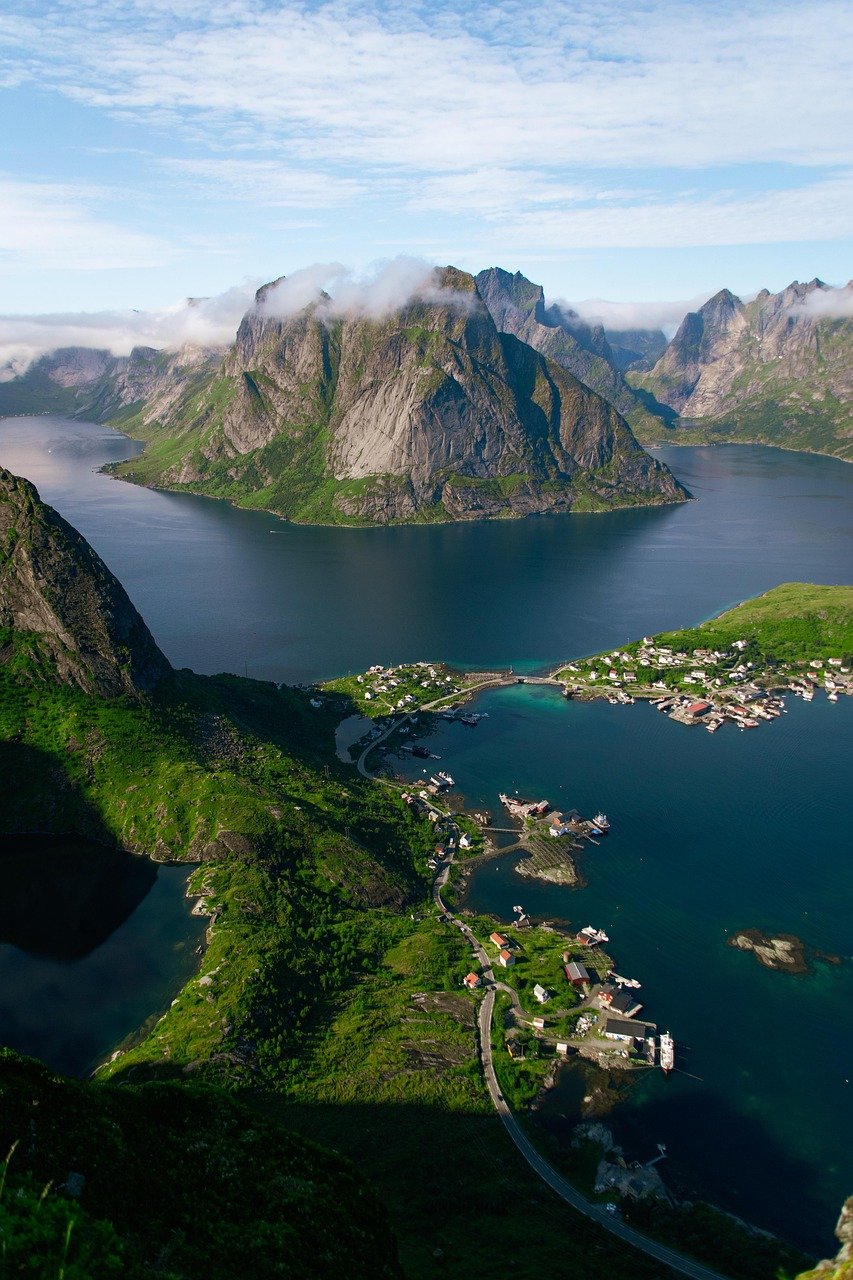

The concept of sustainable communities has increasingly gained traction in recent years, particularly within offshore developments. These strategies match economic growth with environmental stewardship, focusing on minimizing harm and promoting ecological balance while developing new offshore projects. This emergence is influenced by the urgent need for climate action, advancing technology, and a growing public demand for responsible practices.
Understanding Sustainable Communities
Sustainable communities are designed around principles that prioritize long-term economic, environmental, and social health. They integrate renewable energy, efficient waste management, and sustainable agriculture into their frameworks. Typically, these communities focus on bringing together innovative design, technology, and community-based approaches to address local and global challenges.
The Offshore Development Landscape
Offshore developments mainly include energy production, aquaculture, and tourism. The most notable of these is offshore wind energy, with numerous countries committing to large-scale offshore wind farms that provide cleaner energy. While these initiatives focus on energy, they often overlook the broader aspects of environmental sustainability and community health essential for a truly sustainable atmosphere.
The Push for Sustainability in Offshore Projects
As the world faces rising sea levels, increased temperatures, and extreme weather events, ensuring the sustainability of offshore initiatives is crucial. Stakeholders, including governments, NGOs, and private corporations, are becoming increasingly aware of their environmental responsibilities. The integration of sustainability into their offshore projects is not merely a trend, but a necessary transition to prevent further ecological degradation.
Policy Changes and Economic Incentives
Countries around the globe are implementing policies aimed at promoting sustainable practices. Governments offer incentives such as tax breaks, grants, and subsidies to businesses that commit to eco-friendly practices. For instance, the European Union has set ambitious targets for carbon neutrality by 2050, encouraging offshore developments to adopt sustainable measures.
Innovation in Technology
Innovative technologies play an essential role in promoting sustainability in offshore developments. The industry has seen significant advancements in offshore wind turbine designs, capable of harnessing wind energy more efficiently.
Floating Wind Farms
Floating wind turbines are particularly promising. Unlike traditional fixed-base installations, floating wind farms can be located in deeper waters where wind is stronger and more consistent. These platforms significantly reduce the ecological footprint on marine ecosystems and allow for greater energy production in varied locations.
Wave Energy Converters
Transportation and storage of energy emitted by wave energy converters (WECs) is another advancing technology. These devices harness power from ocean waves and are integrated with existing offshore structures. By coupling wave energy extraction with offshore wind or solar initiatives, developers can create more resilient energy systems.
Community Involvement and Benefits
For offshore developments to ensure long-term sustainability, community involvement is imperative. Engaging local stakeholders can enhance project outcomes and foster a sense of ownership among residents.
Participatory Planning
Participatory planning involves community members in decision-making processes. This approach helps create solutions rooted in the community context, resulting in more relevant and effective projects. Workshops and public meetings that allow community feedback enhance trust and cooperation between developers and residents.
Job Creation and Economic Resilience
Sustainable offshore developments can lead to significant job creation in renewable energy sectors, marine research, and support services. These jobs often require specialized training, contributing to a more skilled workforce. As these communities thrive, economic resilience improves, providing stability against retail and resource fluctuations.
Ecological Conservation Initiatives
Sustainable communities in offshore settings must prioritize ecological conservation. Understanding marine ecosystems and their health can lead to more responsible harvesting and energy extraction methods.
Marine Protected Areas (MPAs)
Implementing MPAs in conjunction with offshore development can help conserve biodiversity. These areas are designated off-limits to certain human activities, fostering the revival of marine ecosystems while somewhat balancing the pressure exerted by active offshore industries.
Artificial Reefs
In areas affected by construction, deploying artificial reefs can create new habitats for marine life. By using materials from offshore projects to construct these reefs, developers can counter the unavoidable damage done to natural habitats, promoting biodiversity while offering enhanced fishing opportunities for local communities.
Global Examples of Sustainable Offshore Communities
Various countries are leading the way in sustainable offshore developments.
Denmark
Denmark has made substantial progress in offshore wind energy, hosting the world’s first offshore wind farm. The Horns Rev projects in the North Sea are exemplary for integrating local community plans with sustainable practices.
The Netherlands
The Netherlands is spearheading efforts in sustainable offshore aquaculture. By utilizing advanced technology and regulations, they have paved the way for environmentally friendly fish farming that actively seeks to protect natural ecosystems.
Scotland
Scotland’s marine renewable energy sector is flourishing, focusing on sustainability through initiatives like the Marine Renewable Energy Strategic Framework. Communities are engaged through consultation and a focus on ensuring equitable resource sharing.
Future Prospects
As global climate concerns intensify, the rise of sustainable communities in offshore developments becomes more imperative. By promoting ecological balance, economic resilience, and community involvement, the development strategies are shifting toward models that are not only economically viable but also responsible and sustainable. With advanced technologies, active community engagement, and strong policies, the offshore sector can become a model of sustainability in its own right.
The path forward involves learning from established communities and continuously integrating innovative practices. As these projects grow and evolve, they will represent not just a means to an end in energy production or resource extraction but also a blueprint for sustainable living and development in harmony with the natural world. Balancing human needs with environmental consciousness will define the narrative of sustainable offshore communities for years to come.
