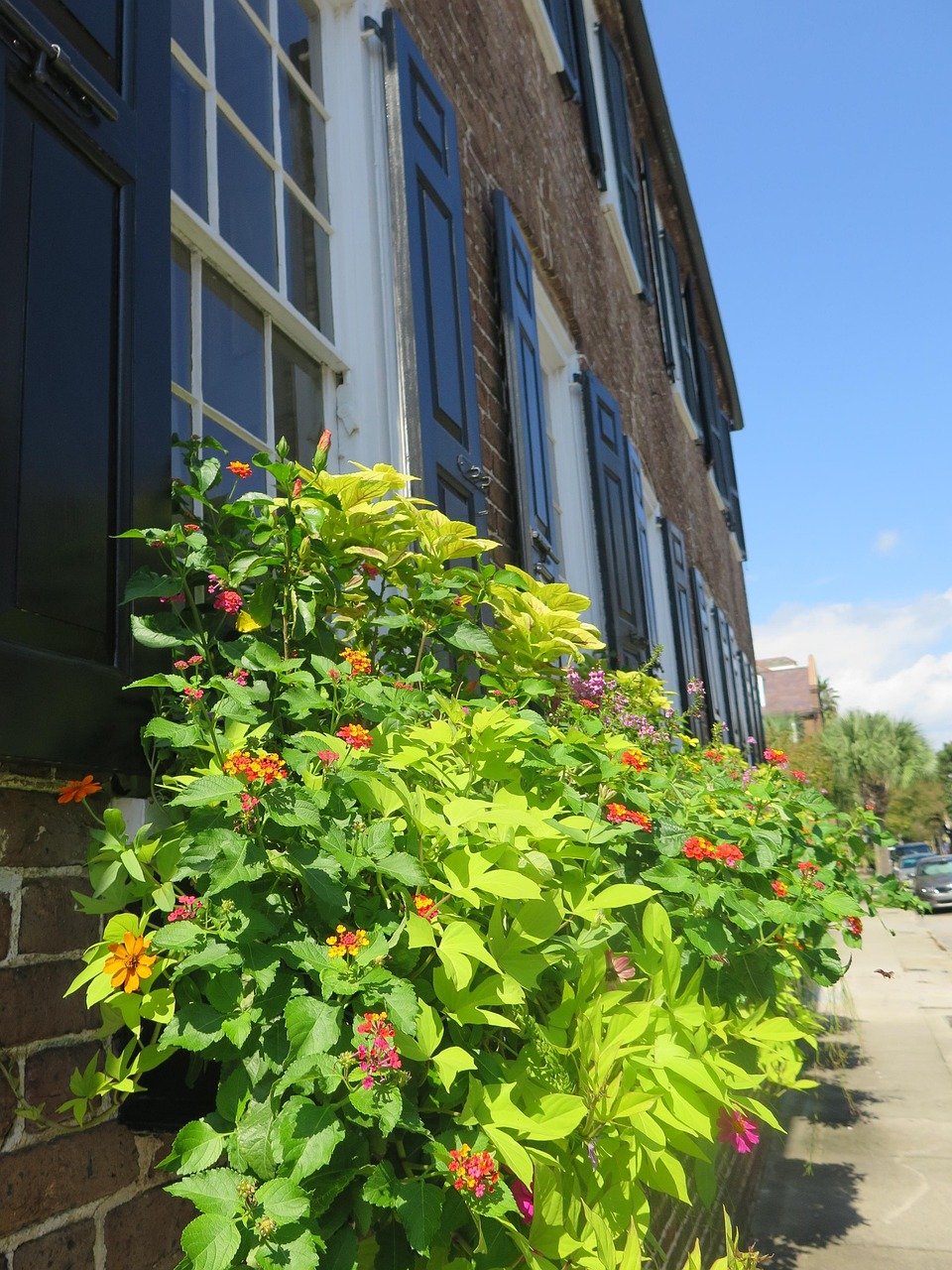

Life on the Water: Essential Amenities for Island Homes
Island living offers a unique blend of tranquility and adventure, surrounded by breathtaking natural beauty. However, this lifestyle comes with specific needs and considerations, particularly regarding essential amenities. Below, we explore key elements that make island homes not only livable but also comfortable and enjoyable.
Water Supply and Filtration Systems
One of the most critical aspects of island living is ensuring a consistent and safe water supply. Many islands rely on rainwater harvesting systems, which capture and store rainwater for household use. Installing a high-quality filtration system is essential to ensure the water is potable. Reverse osmosis systems can effectively remove impurities, making it safe for drinking and cooking. Additionally, having a backup supply, like bottled water or a water delivery service, is advisable, especially during dry spells.
Energy Solutions
Living on an island often means limited access to traditional utilities. Therefore, renewable energy solutions like solar panels or wind turbines are popular choices. Solar panels, in particular, are beneficial, offering a sustainable energy source with relatively low maintenance. Pairing solar energy with a battery storage system allows homeowners to harness excess power for rainy days or nighttime use. For those in more remote areas, generator systems can provide an alternative, ensuring a reliable energy source when needed.
Waste Management Systems
Effective waste management can be a pressing concern for island communities, particularly those with limited infrastructure. Composting toilets are a popular and environmentally friendly option, reducing water usage. Homeowners should also consider constructing or utilizing a septic tank for wastewater management, ensuring it is compliant with local regulations. Recycling programs or partnerships with local waste management companies can further support sustainable living practices.
Climate Control and Insulation
Island homes need to be prepared for varying weather conditions, from tropical heat to sudden storms. Proper insulation can help regulate indoor temperatures and reduce energy costs. Energy-efficient windows, ceiling fans, and strategically placed ventilation can enhance airflow and cooling. For air conditioning, homeowners should seek high-efficiency units that are suitable for island conditions, ensuring comfort during the hottest months.
Communication and Connectivity
Staying connected is vital for both work and leisure. Many island homes benefit from satellite internet services or cellular boosters, enhancing communication capabilities. Remote work has become increasingly common, making reliable internet access a top priority. Homeowners should also invest in VoIP phone services to maintain low-cost, high-quality communication, which is particularly useful if traveling frequently between the island and the mainland.
Transportation Options
Accessibility is vital when living on an island. Boats are often the primary mode of transportation, making the choice of a reliable vessel crucial. Homeowners should consider a suitable vessel size based on their needs, whether it’s a small speedboat for quick trips or a larger boat capable of carrying more passengers and supplies. Additionally, residing close to a marina can facilitate easy commuting and supply delivery.
Storage Solutions
Island living can mean limited space, so effective storage solutions are essential. Built-ins like shelves and cabinets can maximize space while looking aesthetically pleasing. Outdoor storage sheds are ideal for housing water sports equipment, gardening tools, and maintenance supplies. Utilizing under-bed storage and multi-functional furniture can also help keep homes free from clutter, enhancing the serenity that island living is famous for.
Recreational Facilities
Island homes are often designed to complement an active lifestyle. Outdoor recreational facilities such as swimming pools, hot tubs, and private docks enhance the overall living experience. Swimming pools provide a sanctuary for relaxation or exercise on hot days, while hot tubs offer a perfect spot for relaxation under the stars. A private dock facilitates aquatic activities, allowing homeowners easy access to kayaking, fishing, or simply enjoying the water views.
Local Produce and Gardens
Growing one’s food can significantly enrich the island living experience. Garden space, whether a small herb patch or a larger vegetable garden, can provide fresh produce, reducing reliance on external supplies. Many islands have ideal climates for growing fruits and vegetables, and homeowners can utilize raised beds or container gardening to optimize space. Compost bins can further bolster gardening efforts while tackling household waste in an eco-friendly manner.
Emergency Preparedness
Island living often requires a heightened awareness of emergency preparedness due to potential storms and natural disasters. Homes should be equipped with emergency kits stocked with essentials like water, non-perishable food, first aid supplies, and flashlights. Having a well-defined evacuation plan, along with clear communication systems utilizing radios or satellite phones, ensures safety during unexpected events.
Sustainable Practices
Emphasizing sustainability is integral to island living. Rainwater collection systems, solar energy installations, and composting not only support individual households but nurture the overall health of the island ecosystem. Homeowners are encouraged to support local markets, fostering community ties and reducing carbon footprints associated with transporting goods. A commitment to environmental stewardship can also inspire others, leading to a more sustainable island community.
Outdoor Living Spaces
Maximizing outdoor spaces enhances quality of life on an island. Decks, patios, and screened-in porches can serve as comfortable environments for dining and socializing while enjoying stunning waterfront views. Outdoor kitchens equipped with grills and cooking areas promote family gatherings and entertaining. Landscaping with native plants also improves aesthetics and supports local wildlife, creating a harmonious environment.
Aesthetic and Functional Design
Architecture plays a pivotal role in island homes, where design must merge functionality with aesthetics. Open-concept layouts maximize natural light and airflow, enhancing the sense of space. Elevated designs protect against flooding while providing panoramic views of the surrounding landscape. Beach-themed decor, including nautical accents and natural finishes, echoes the serene environment and fosters relaxation.
Community Amenities
Living on an island often implies a tight-knit community. Proximity to local amenities, such as markets, health care facilities, and recreational centers, is essential for convenience and social engagement. Community events and clubs can offer continued opportunities for connection, building relationships that enhance the island living experience. Participation in local organizations promotes collaboration and contributes to the overall well-being of the island environment.
Maintenance and Care
Routine maintenance is crucial for preserving island homes against the harsh marine environment. Regular inspections of roofing, siding, and foundational elements can mitigate damage from saltwater and storms. Concerns about mold or pest control should be addressed promptly to maintain a healthy living environment. Engaging local services for specialized care can ease the burden of upkeep and prolong the lifespan of the property.
Island living is a unique experience, promising both beauty and adventure. By prioritizing these essential amenities, residents can enjoy a comfortable, sustainable, and enriched life amidst stunning surroundings. Whether you are a seasoned island dweller or contemplating the move, understanding these amenities is key to thriving in a waterside paradise.
