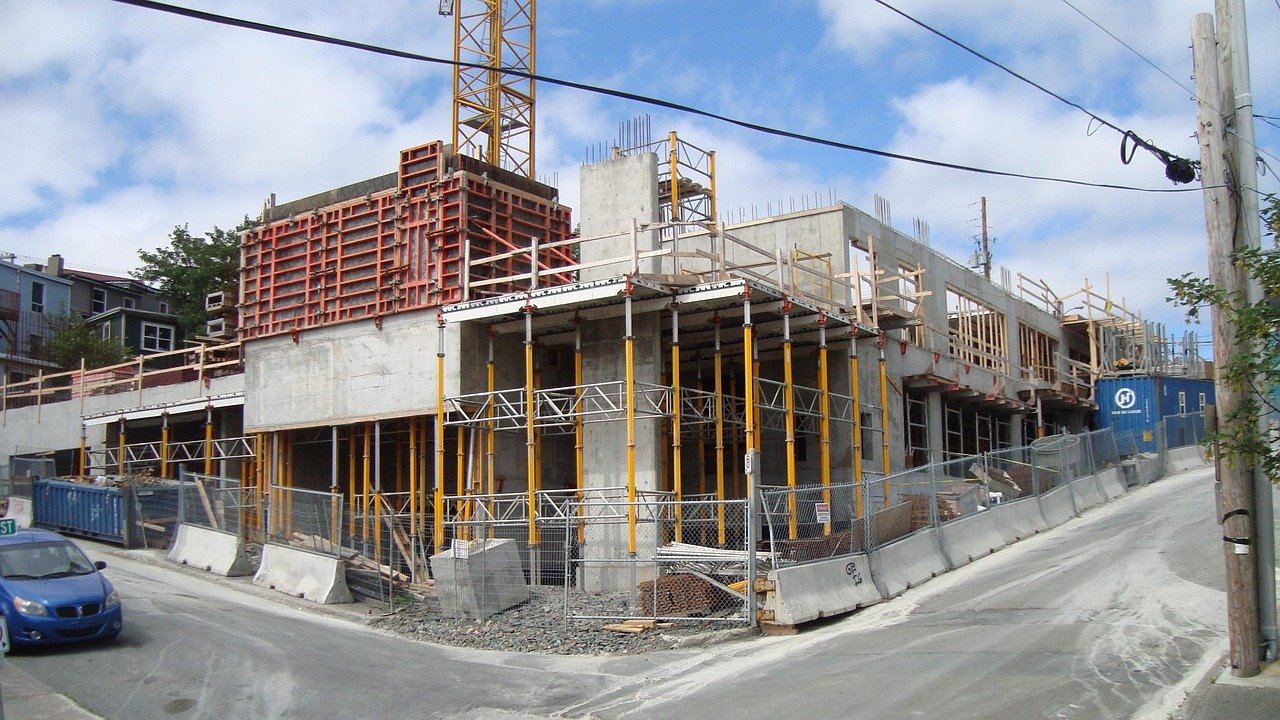

Fundamental Shifts in American Island Construction and Real Estate
The Rise of Sustainable Building Practices
In recent years, American island construction has embraced sustainability, reflecting broader national trends. Architects and builders are increasingly utilizing eco-friendly materials such as reclaimed wood, bamboo, and recycled metals. This shift is not just about aesthetics; it responds to a growing awareness of environmental issues, particularly in island regions vulnerable to climate change, rising sea levels, and extreme weather events. Moreover, many developers are seeking LEED (Leadership in Energy and Environmental Design) certification for new projects, emphasizing energy efficiency and sustainability.
Integration of Smart Technology
Another significant change in American island real estate is the integration of smart home technologies. Homebuyers are now looking for properties equipped with smart appliances, automated lighting systems, and advanced security configurations. For instance, islands like Hawaii and the Florida Keys showcase developments featuring energy management systems that allow homeowners to monitor and control energy consumption remotely. The implementation of such technology not only provides convenience but also enhances energy efficiency, which is particularly important in areas where electricity costs can be high.
Emphasis on Resilient Design
Resilience in architecture has become a prerequisite for new island developments. Structures are now being designed with an eye towards surviving extreme weather patterns. Elevated foundations, storm-resistant windows, and flood barriers are increasingly common in coastal island construction. This trend reflects an acknowledgment of the changing climate and its impact on property safety and longevity. Island developers are working with engineers to create designs resistant to hurricanes and flooding, ensuring that homes not only survive but thrive in extreme conditions.
Affordability and Accessibility
While luxury homes have long dominated the American island real estate market, there is a growing trend toward affordability and accessibility. Regions like Martha’s Vineyard and Nantucket, traditionally known for high-end real estate, are beginning to see the development of affordable housing projects. Local governments and developers recognize the need to diversify the housing market, ensuring that diverse community members can live in these picturesque locales. This shift includes initiatives for workforce housing that meet the needs of essential service workers on these islands.
Multi-Generational Living Trends
The American island real estate market is responding to shifting demographics, particularly the rise of multi-generational living. Properties that accommodate extended families are becoming increasingly popular. Builders are designing homes with separate living spaces, such as in-law suites or duplex layouts, catering to families wishing to live together while maintaining their independence. This shift not only reflects changing family dynamics but also offers economic advantages, allowing households to share expenses and caregiving responsibilities.
The Influence of Remote Work
The COVID-19 pandemic accelerated a trend that has transformed the outlook for island real estate: remote work. As companies embraced flexible work arrangements, many individuals reconsidered their living situations, searching for homes that provided not only stunning views but also functional workspaces. The allure of island life is potent, promoting trends where homes with dedicated offices or workspaces are in high demand. This new lifestyle has led to increased interest in properties located in less accessible islands where the focus is on tranquility and natural beauty.
Preservation of Local Culture and Architecture
As new developments arise, there is a notable effort to preserve local culture and architectural styles in island communities. Developers and planners are recognizing the importance of maintaining the aesthetic integrity of traditional island homes. By engaging with local communities and respecting historical contexts, modern constructions are harmonizing with longstanding cultural elements, resulting in neighborhoods that celebrate their unique heritage. This commitment to preservation enhances property values and fosters community pride.
Short-Term Rentals and Impact on Local Economy
The boom in short-term rentals, particularly platforms like Airbnb and Vrbo, has dramatically altered the American island real estate landscape. While these rentals provide homeowners with additional income, they have also sparked debates about housing availability and affordability for residents. Island communities are grappling with regulations aimed at balancing the economic benefits of tourism and the need for long-term housing options. These regulations can shape construction trends, with some developers focusing on properties suited for the short-term rental market.
Investment Trends and Market Dynamics
Investment patterns in island real estate are shifting due to demographic changes and emerging trends. Investors are increasingly drawn to smaller, less commercialized islands, seeking opportunities in markets that promise growth potential. With prices climbing in more established areas, attention is moving towards less-known locales, where property costs are lower and appreciation potential is high. This diversification not only benefits developers and investors but also fosters a more equitable distribution of real estate opportunities across various island communities.
Challenges of Infrastructure Development
As the demand for new construction rises, many island regions face the challenge of infrastructure development. Roads, utilities, and public services often lag behind the rapid pace of new housing developments. Islands are especially vulnerable due to their geography, making it imperative for local governments to prioritize infrastructure improvements to support new construction projects. There is a push for public-private partnerships to ensure that infrastructure keeps pace with residential growth.
Community-Centric Developments
There’s been a fundamental shift towards community-centric developments on American islands. New projects are designed with holistic community spaces that encourage social interaction, promote local businesses, and integrate parks and recreational areas. This movement emphasizes the importance of synergy between residential areas and local ecosystems, aiming to cultivate vibrant and sustainable neighborhoods. Developers are now prioritizing mixed-use properties that cater to both residents and visitors, reinforcing a sense of community.
Climate-Forward Policies
In response to ever-growing climate concerns, island municipalities are introducing policies that encourage climate-forward building practices. These policies often combine incentives for energy-efficient designs, restrictions on high-rise buildings near coastlines, and guidelines to mitigate environmental impacts. These regulations aim to ensure that new developments contribute positively to the environment while safeguarding the unique ecosystems that characterize island communities.
Changing Buyer Demographics
Buyers of island real estate are also evolving. Baby boomers, seeking retirement homes, are joined by younger generations interested in lifestyle-oriented properties. Millennials and Gen Z are expressing growing interest in island living, driven by trends of remote work and travel flexibility. This shift in demographics alters the types of properties and amenities that developers are focusing on, with younger buyers leaning towards mixed-use options, eco-friendliness, and community engagement.
Conclusion
The landscape of American island construction and real estate is shaped by a myriad of factors, including sustainability, technological advancements, evolving buyer preferences, infrastructure challenges, and climate considerations. As these trends intersect and evolve, they present both opportunities and challenges for developers, policymakers, and communities alike. The ongoing transformations promise to redefine how Americans experience and engage with island living, creating a more resilient and vibrant future for island communities across the nation.
