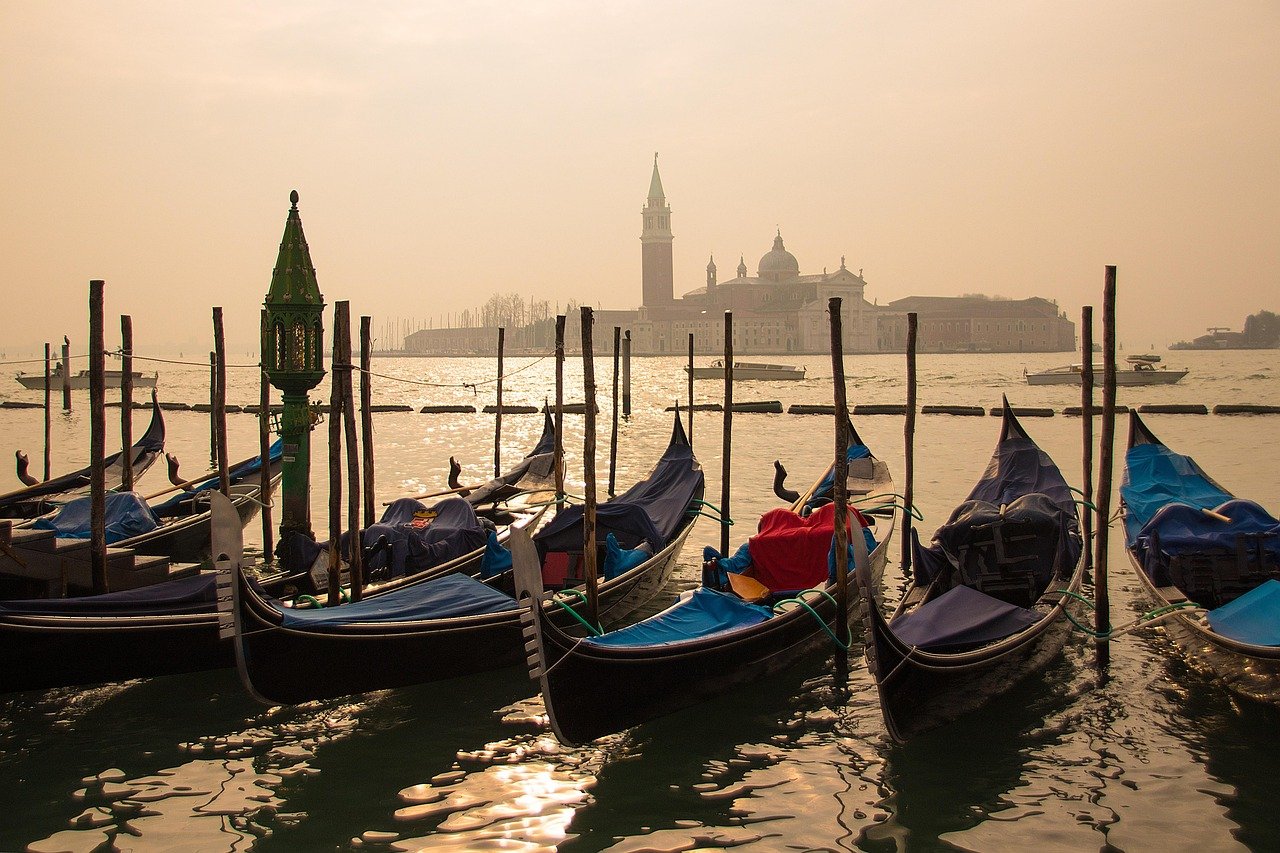

Building with Nature: Integrating Ecosystems in Island Projects
Understanding Building with Nature
Building with Nature (BwN) is a holistic approach that emphasizes the integration of natural ecosystems into development projects. This concept is especially relevant in island settings, where unique environmental challenges converge. By leveraging nature’s inherent systems, projects can achieve sustainability, resilience, and ecological balance, ensuring long-term benefits for both inhabitants and natural habitats.
Key Principles of Building with Nature
-
Ecosystem Synergy: The foundation of BwN lies in the understanding that human development and natural ecosystems can coexist and support each other. Utilizing local flora and fauna, coupled with sustainable architecture, can create buildings that enhance biodiversity and promote ecological health.
-
Adaptive Design: Island projects face specific challenges, such as climate change impacts, rising sea levels, and biodiversity loss. Adaptive designs are flexible and responsive, allowing structures to evolve according to environmental changes while maintaining functionality and aesthetic appeal.
-
Community Involvement: Engaging local communities in the planning and implementation phases ensures that the built environment aligns with cultural values and ecological knowledge. This enhances the project’s acceptance and success, fostering a sense of stewardship among residents.
Case Studies of Effective Integration
-
Flores Island, Indonesia
On Flores Island, a project focused on integrating local mangrove ecosystems into coastal infrastructure witnessed significant success. The design incorporated mangrove restoration efforts alongside the construction of a seaside promenade. This approach not only provided recreation space for residents but also reinforced coastal defense against erosion and storm surges, enhancing both community resilience and biodiversity.
-
Bonaire, Caribbean
In Bonaire, the integration of coral reef conservation into tourism development led to the establishment of a nature-based recreation area, combining snorkeling, diving, and educational programs about coral ecosystems. The inclusion of marine protected areas helped balance tourism’s economic benefits with the preservation of vital marine ecosystems, directly supporting local livelihoods.
-
Palawan, Philippines
A wealth of biodiversity characterizes Palawan, and a project aimed at sustainable eco-tourism adopted BwN principles by carefully positioning accommodations among existing vegetation. Wooden walkways minimized land disturbance, and design elements harmonized with the local aesthetic. Additionally, the site included native species planting, which aided in habitat restoration while providing educational opportunities for visitors.
Benefits of Ecosystem Integration
-
Environmental Resilience: Projects that incorporate natural systems are inherently more resilient. Vegetation can help minimize flooding risks, while wetlands serve as natural filters for water, improving local water quality. The adaptation of buildings to their surroundings ensures longevity and durability in the face of climate threats.
-
Biodiversity Promotion: Ecological systems support a diverse array of flora and fauna, contributing to overall ecosystem health. Integrating projects with nature fosters habitats that support wildlife. Planting native species not only beautifies the area but also encourages pollinators and other beneficial organisms.
-
Economic Advantages: Ecosystem services reduce the need for costly infrastructure solutions. For instance, maintaining natural landscapes can save on flood defenses, while tourism rooted in natural beauty can yield significant economic returns. Involving local communities fosters job creation through eco-tourism and sustainable practices.
-
Cultural Enhancement: Many island communities hold deep cultural ties to the land and sea. Projects integrating natural elements often respect and reflect local traditions, enhancing cultural appreciation and fostering a sense of pride among residents. Collaborating with locals ensures that the development does not disturb sacred sites and aligns with traditional land practices.
Challenges in Implementing Building with Nature
-
Balancing Development and Conservation: Striking a balance between necessary development and the preservation of natural ecosystems can prove challenging. Early-stage planning should include rigorous ecological assessments to inform decision-making and prioritize sustainability.
-
Funding Limitations: Implementation of BwN projects can require more upfront investment than traditional development. Securing funds from governmental and non-governmental organizations may be necessary to offset initial costs, alongside potential long-term economic benefits.
-
Policy Support: Without supportive policies, integrating nature into infrastructural projects remains complicated. Advocacy for sustainable legislation and urban planning frameworks can facilitate the acceptance and implementation of ecological principles in development.
Future Directions for BwN in Island Projects
-
Innovative Technologies: Emerging technologies in monitoring and maintaining ecosystems will facilitate a more profound understanding of biodiversity dynamics. Remote sensing, for instance, can provide valuable insights into the health of ecosystems, helping guide future projects.
-
Integrated Governance: Coordinated governance among various stakeholders, including governmental agencies, local communities, and environmental organizations, is crucial. Collective decision-making processes will ensure comprehensive approaches to integrate BwN principles across all developmental aspects.
-
Education and Awareness: Public education campaigns focusing on the benefits of BwN can foster broader community support. Workshops and engagement programs can increase awareness of ecological sustainability, inspiring communities to participate proactively in their development.
-
Resilient Community Planning: Future BwN projects must embed resilience into community planning strategies. Comprehensive assessments and climate adaptation measures should routinely inform socio-economic development plans to ensure long-term sustainability.
Implementing Building with Nature principles in island projects presents a transformative potential to create harmonious communities that respect ecological systems. By emphasizing sustainable practices, we can facilitate coexistence between development and the natural world, securing a thriving future for both people and the environment.
