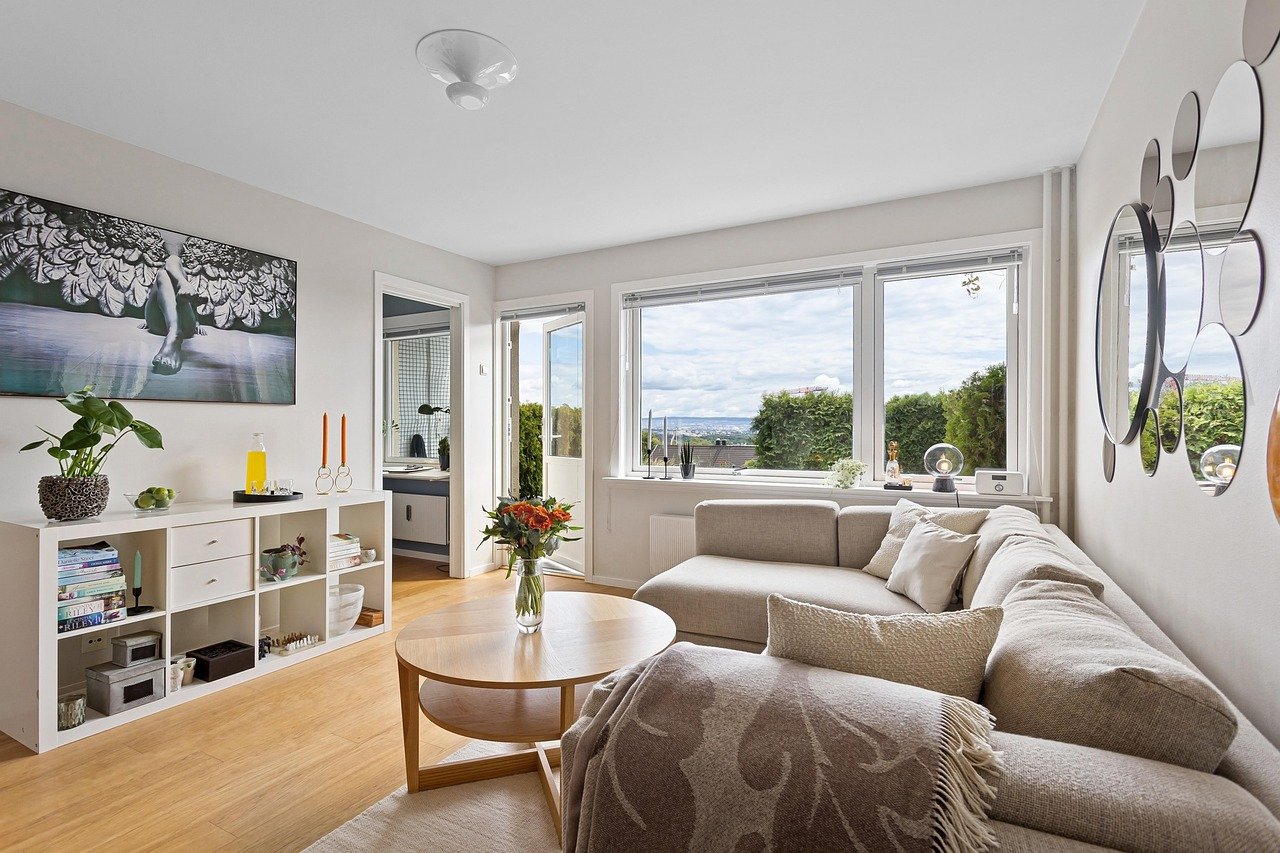

The COVID-19 pandemic sparked unprecedented changes in numerous sectors, with the luxury real estate market being particularly affected. As social isolation became the norm, the rich and famous began to reevaluate their living situations, which drastically altered their home-buying habits.
Shift to Suburban and Rural Living
One of the most significant changes in luxury home buying has been the mass migration from urban centers to suburban and rural areas. High-net-worth individuals, often confined to their penthouses or high-rise apartments in cities, found themselves craving space and privacy. The desire for expansive outdoor spaces, private backyards, and gardens led many wealthy buyers to invest in homes that offer these features. Properties in less populated areas, such as the Hamptons, Aspen, and the countryside of Connecticut, witnessed a surge in demand.
Luxury home buyers began prioritizing tranquility and the ability to work remotely in appealing environments. This shift transformed cities into ghost towns in many cases, with high-rise prices plateauing or even decreasing, while suburban luxury homes saw unprecedented price increases and bidding wars.
Home Amenities: A New Focus
The pandemic reshaped the criteria for what constitutes luxury in homes. Prospective buyers now seek properties outfitted with features that promote a comfortable, secluded lifestyle. Home offices have become essential, and designs that include soundproof studios or multi-functional rooms are in higher demand.
Moreover, luxurious amenities such as home gyms, wellness centers, and cinemas are substantially more appealing than they were pre-pandemic. Purchasers are investing in homes that offer more than beauty and status; they want comfort and safety. Pools, hot tubs, outdoor kitchens, and expansive patios also gained increased importance, enabling families to enjoy their leisure time safely at home.
Tech Integration and Smart Homes
The shift towards remote work catalyzed a burgeoning demand for technology-integrated homes. Luxury buyers now seek properties equipped with smart-home technologies for security, energy efficiency, and convenient living. High-tech surveillance systems, smart thermostats, and advanced lighting solutions are factored into the buying decision more than ever before.
The proficiency of a home’s technology can enhance liveability during potential lockdowns, something that very much influenced luxury buyers’ preferences. An increasing number of homes are being equipped with state-of-the-art video conferencing setups, allowing for seamless work-from-home experiences. Buyers have become more discerning, insisting on high-speed internet and robust digital infrastructures critical for a work-at-home lifestyle.
Generational and Lifestyle Changes
Changes in generational preferences also played a pivotal role in reshaping the luxury real estate market. The younger, wealthy clientele—often millennials or Gen Z—favor experiences over possessions, leading to a different approach to home buying. Rather than simply purchasing luxury for its brand name or aesthetics, they are looking for investments that support their lifestyle choices, such as proximity to nature, local experiences, and community involvement.
Furthermore, with more families opting for multi-generational living, homes featuring in-law suites or additional living spaces have become highly coveted. This trend is illustrative of a broader inclination towards homes that promote family bonding in a safe and comfortable environment.
Market Trends and Shifting Investment Priorities
The luxury real estate market saw soaring demand that often outpaced supply during the pandemic, prompting more wealthy buyers to secure second or third residences. Buyers perceived real estate as a robust investment, especially in an era marked by uncertainties in stock markets. Many affluent individuals viewed luxury homes as not just a place to live, but as a hedge against inflation and a safe haven for their wealth.
Additionally, the spike in interest in vacation homes can be linked to the desire for second residences as “getaway retreats” that allow for quick escapes from urban life. High-demand areas, including coastal properties and ski resorts, became prime investment targets as this demographic sought to spend more time in nature and away from bustling city environments.
Increased Focus on Sustainability and Health
The pandemic has heightened awareness of health and environmental considerations among luxury buyers. Properties with eco-friendly designs, energy-efficient utilities, and sustainable building materials are being prioritized.
Additionally, homebuyers are interested in healthy living features such as air filtration systems, water purification technologies, and landscape designs that support wellness. Open floor plans and large windows that promote ventilation and natural light are also appealing traits, reflecting a deeper awareness of how living environments affect mental and physical health.
The Role of Real Estate Agents and Virtual Tours
The process of house hunting dramatically shifted during the pandemic, necessitating the use of innovative technologies to facilitate luxury property sales. Prospective buyers turned to virtual tours and augmented reality options, enabling them to explore homes from the comfort of their current residences.
Real estate agents adapted quickly, leveraging technology to create immersive experiences for high-net-worth clientele. Virtual showings, drone footage, and 3D walkthroughs became commonplace, allowing agents to maintain connections with potential buyers and keep the market active despite restrictions.
Personalized service and concierge-style offerings became more significant, with clients expecting a bespoke experience that matches their elevated status. Agents who could provide seamless digital experiences while offering luxury-level service thrived in this new environment.
Conclusion
The pandemic undeniably reshaped the habits of luxury home buying among the rich and famous. With a greater emphasis placed on space, wellness, technology, and sustainability, the luxury real estate market is responding to these evolving demands. As high-net-worth individuals continue adapting to a post-pandemic world, these trends are likely to persist, influencing the future of luxury home buying in profound and lasting ways.
