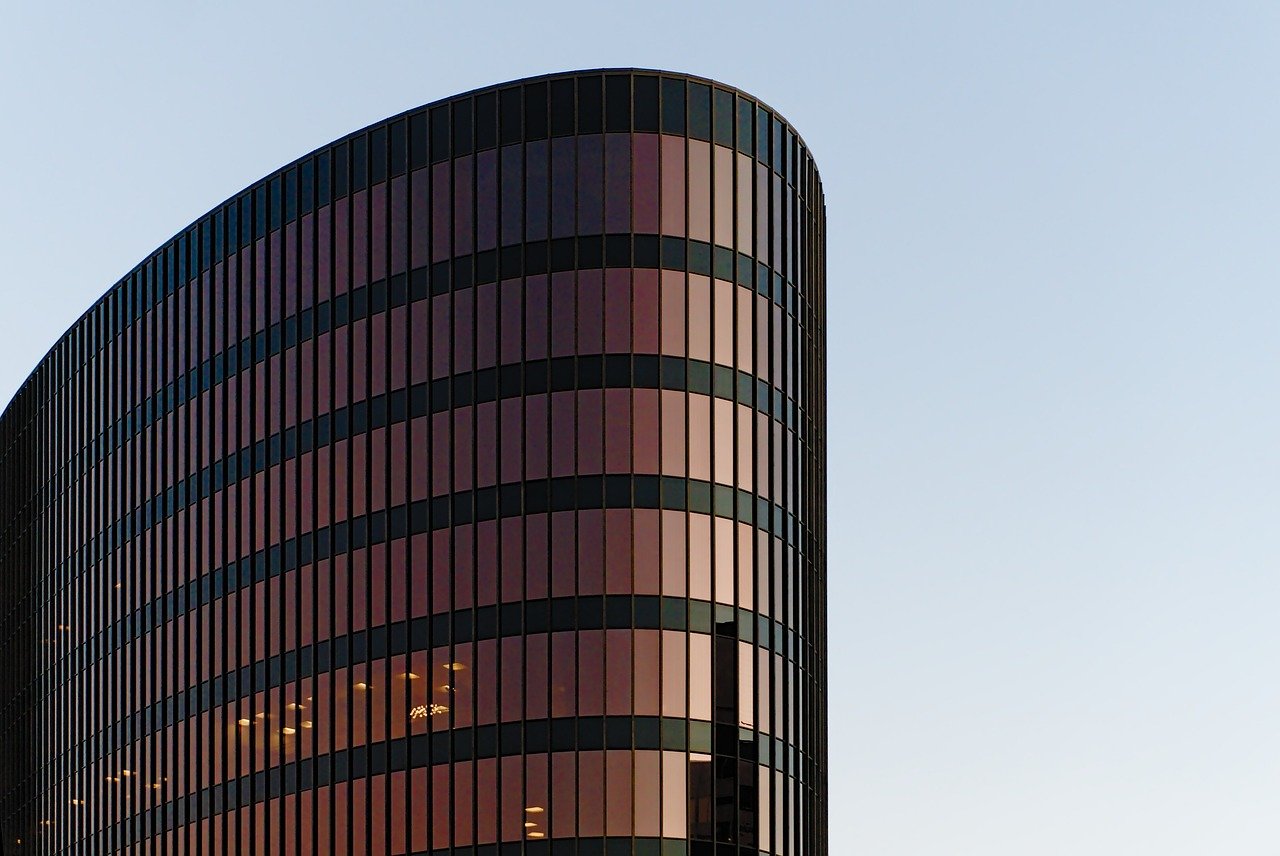

Green Building Trends in Office Real Estate: Sustainability Takes Center Stage
In recent years, the demand for sustainable practices in office real estate has surged, driven by a growing awareness of climate change and ecological degradation. Businesses are recognizing that adopting green building strategies not only enhances their corporate social responsibility but also leads to significant cost savings, improved employee satisfaction, and increased property value. Here are some critical trends shaping the future of green buildings in the office market.
1. Energy Efficiency Technologies
Energy efficiency remains at the forefront of green building trends. Advanced technologies such as smart meters, LED lighting, and energy-efficient HVAC systems are becoming standard in new and renovated office spaces. Buildings equipped with smart technologies can monitor and adjust energy use in real-time, resulting in substantial reductions in energy costs. The integration of renewable energy sources, such as solar panels and wind turbines, further enhances self-sufficiency, allowing buildings to produce their own energy.
According to the U.S. Green Building Council’s LEED standards, energy efficiency improvements can lead to energy cost savings of up to 30%. Building owners are increasingly investing in energy audits to identify opportunities for optimization, which not only contribute to environmental goals but also improve bottom lines.
2. Green Certifications and Standards
Certifications like LEED (Leadership in Energy and Environmental Design), BREEAM (Building Research Establishment Environmental Assessment Method), and the WELL Building Standard have become significant in real estate transactions. These certifications provide a framework for measuring the sustainability of a building and often enhance its marketability.
The investment in certified green buildings has been shown to yield higher returns. Properties with LEED certification typically garner higher rental rates and lower vacancy rates compared to non-certified buildings. Real estate investors are prioritizing these buildings, reflecting a shift in the market that favors sustainability over traditional construction methods.
3. Biophilic Design
Biophilic design integrates natural elements into modern architecture, enhancing occupants’ connection to nature and improving their well-being. This approach not only improves aesthetic appeal but also contributes to employee productivity and satisfaction. Features often include the incorporation of plants, natural light, water features, and outdoor spaces.
Research indicates that exposure to natural elements can lower stress levels and increase concentration. For instance, incorporating large windows, green roofs, or vertical gardens helps create a serene environment. Therefore, companies are increasingly looking for office spaces that prioritize biophilic elements, offering a healthier and more inspiring workplace.
4. Water Conservation Measures
Water scarcity is a growing global concern, prompting office buildings to adopt stringent water conservation measures. Eco-friendly fixtures, rainwater harvesting systems, and greywater recycling systems are becoming standard practice in sustainable office designs. Low-flow toilets and faucets, as well as drought-resistant landscaping, contribute to efficient water use.
Building owners are now mandated to adhere to water conservation codes in many jurisdictions, further emphasizing the necessity of sustainable water management practices. Efficient water use not only reduces operating costs but also meets regulatory requirements, providing an additional incentive for adopting green building trends.
5. Sustainable Materials and Waste Reduction
The push for sustainable materials is gaining momentum in office real estate development. Construction and renovation projects are shifting towards the use of recycled, reclaimed, and sustainably sourced materials. Natural products such as bamboo, reclaimed wood, and recycled metals are popular choices for their aesthetic value and lower environmental impact.
Furthermore, the principle of waste reduction is becoming integral to the construction process. Implementing a zero-waste strategy can dramatically minimize construction waste, diverting a significant volume from landfills. This trend aligns with the broader goal of circular economy practices, where materials are reused, recycled, or repurposed rather than discarded.
6. Indoor Air Quality Improvement
The importance of indoor air quality (IAQ) has been magnified, especially post-pandemic, where health and wellness in the workplace have taken precedence. Modern office buildings are incorporating advanced ventilation systems and air purification technologies to enhance air quality. Improvements may include high-efficiency particulate air (HEPA) filters, enhanced ventilation rates, and the careful selection of low-emission building materials.
As employees increasingly demand healthier work environments, investing in IAQ can lead to higher productivity and reduced absenteeism. This growing trend showcases the intersection of sustainability and human health, prompting companies to prioritize workplace wellness alongside traditional business metrics.
7. Mixed-Use Developments
The trend toward mixed-use developments is reshaping urban office landscapes. Combining residential, commercial, and recreational spaces within a single environment not only promotes sustainability but also reduces reliance on automobiles, thereby lowering carbon emissions. A well-planned mixed-use area creates vibrant communities where people can live, work, and play, fostering a sense of belonging and enhancing quality of life.
Such developments often include pedestrian walkways, bike lanes, and easy access to public transportation, promoting more sustainable modes of transport. Real estate developers are increasingly recognizing the value of mixed-use environments in attracting tenants who prioritize convenience and sustainability.
8. Enhanced Employee Engagement in Sustainability
Many companies are actively engaging their workforce in sustainability initiatives, empowering employees to contribute ideas and take part in green practices within their offices. This engagement fosters a culture of sustainability that greatly benefits organizational goals. Companies are implementing programs like recycling challenges, energy conservation contests, and wellness initiatives that emphasize green living.
Employee involvement promotes a sense of ownership over the workplace environment and can lead to innovative, grassroots sustainability initiatives that benefit the organization and the environment.
9. Smart Building Technologies
The rise of smart building technologies is transforming traditional office space into intelligent environments. These technologies allow real-time monitoring and management of systems, improving usability and efficiency. Smart sensors can optimize lighting and temperature based on occupancy, automatically dimming lights or adjusting HVAC settings when rooms are not in use.
As IoT (Internet of Things) integration continues to progress, building managers have greater access to data analytics, enabling them to make informed decisions for maintaining and improving building sustainability. These insights play a vital role in reducing resource consumption and enhancing overall building performance.
10. Remote Work and Space Flexibility
The COVID-19 pandemic has dramatically altered workplace dynamics, ushering in a new era of remote work and flexible office spaces. In response, many organizations are rethinking their real estate strategies, often opting for smaller, more adaptable spaces that can easily pivot based on employee needs.
This shift drives demand for office designs that prioritize adaptability, sustainability, and wellness. Companies aim to create environments that can accommodate both in-person collaboration and remote work, reducing their footprint while maintaining employee comfort and productivity.
11. Climate Resilience Planning
As climate change increasingly impacts urban infrastructure, climate resilience is becoming a critical consideration in office real estate development. Developers are beginning to incorporate climate risk assessments into their planning processes, ensuring that buildings can withstand extreme weather events and environmental shifts.
This proactive approach not only protects investments but also aligns with broader community initiatives to create resilient urban environments. Sustainable office buildings are now being designed to manage stormwater efficiently, reduce heat buildup, and provide energy security in the face of climate volatility.
In wrapping up this exploration of green building trends, it is clear that sustainability has become a key consideration in the future of office real estate. The integration of innovative technologies, employee-focused designs, and a holistic approach to environmental responsibility positions the industry toward a more sustainable and successful future. Building owners, investors, and tenants alike are increasingly prioritizing sustainable practices, reaffirming that sustainability takes center stage in the office real estate landscape.
