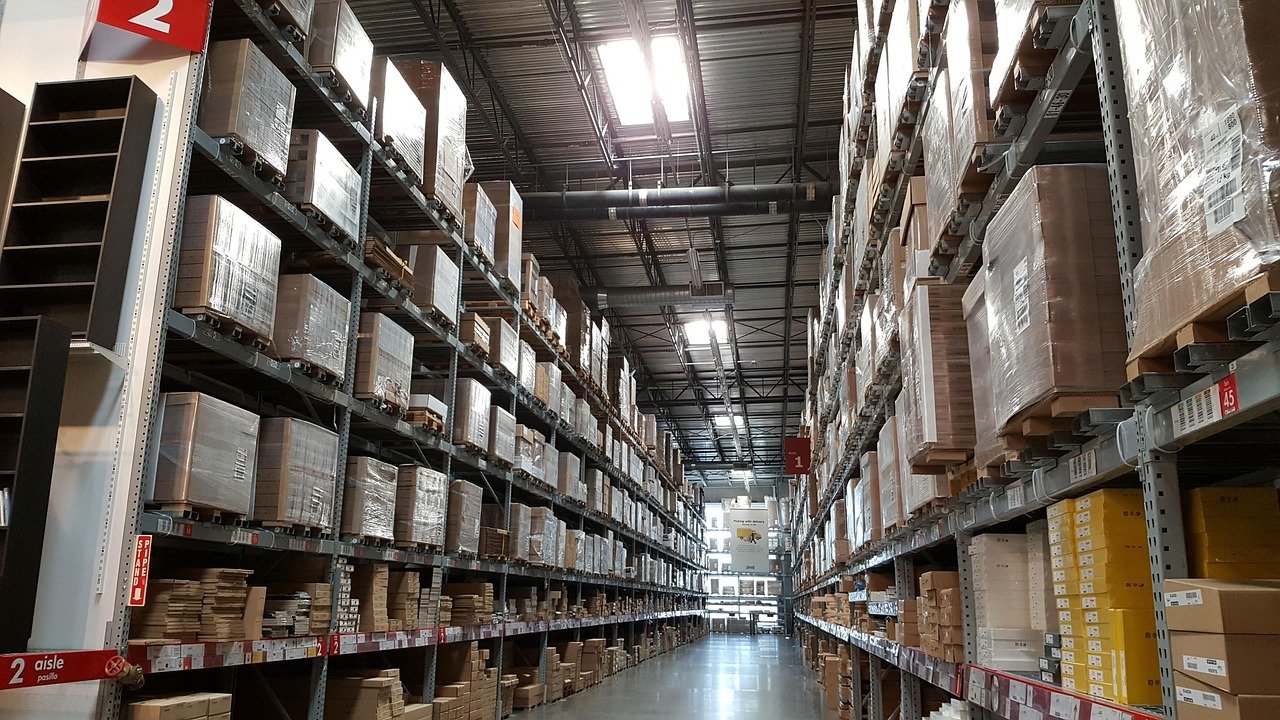

The Impact of Infrastructure on Warehouse Growth
Understanding Infrastructure
Infrastructure encompasses the foundational systems and facilities that support economic activities, including transportation networks, utilities, and communication systems. A well-developed infrastructure plays a vital role in logistics and supply chain management, influencing warehouse development and operational efficiency.
Transportation Networks
Transportation networks consist of roads, railways, airports, and ports. Their accessibility and quality dictate the locations where warehouses can effectively operate.
-
Roads and Highways: The condition and capacity of local and interstate highways directly impact the movement of goods. Efficient road systems minimize delivery times, reduce transportation costs, and enable timely inventory replenishment.
-
Rail Systems: Railways often provide a cost-effective method for transporting bulk goods over long distances. Warehouses located near rail lines can capitalize on lower shipping costs, as rail transport is typically more economical than trucking for heavy or large volumes.
-
Airports: Proximity to airports is crucial for warehouses that handle time-sensitive goods and e-commerce products. Efficient air cargo facilities facilitate quick turnover, allowing businesses to meet urgent customer demands without delay.
-
Ports: For businesses engaged in international trade, port accessibility is a significant determinant of warehouse location. Warehouses strategically situated near major ports benefit from reduced shipping times and broader distribution capabilities.
Utility Accessibility
Utility infrastructure, including electricity, water, and telecommunications, plays a significant role in warehouse operations:
-
Electricity: A reliable power supply is essential for warehouse operations. Automated systems, climate control for perishable goods, and efficient lighting all rely on stable electricity sources.
-
Water Supply: Water availability impacts businesses dealing with food and beverages, as cleanliness and process integrity are pivotal.
-
Telecommunications: Robust internet and communication systems allow for real-time inventory management and enhanced operational efficiency. A well-connected warehouse can leverage technology for better tracking, management, and customer communication.
Technology and Smart Warehousing
As technology evolves, the relationship between infrastructure and warehouse growth becomes increasingly intertwined.
-
Automation: Advanced robotic systems and automated storage solutions are transforming warehouses. Well-planned infrastructure can accommodate these technologies, ensuring optimal layout and efficiency.
-
Internet of Things (IoT): IoT devices enable continuous monitoring of inventory levels and environmental conditions, facilitating real-time data analysis. A sound telecommunications infrastructure ensures seamless integration of these devices.
-
Artificial Intelligence (AI): AI technologies enhance warehouse operations by predicting demand, managing inventory, and optimizing routes. Infrastructure that supports data analytics and machine learning can significantly boost warehouse growth potential.
Workforce Mobility
The availability of a skilled workforce remains a crucial aspect of warehouse growth.
-
Accessibility: Proximity to residential areas or affordable transportation options encourages workforce mobility. Infrastructure that enables easy commuting can help warehouse operators attract and retain talent.
-
Training Facilities: Established educational institutions and training centers in the vicinity provide opportunities for skill development, contributing to a more skilled workforce that can meet the dynamic demands of modern warehousing.
Economic Considerations
Investments in infrastructure can significantly influence local economies, leading to warehouse growth:
-
Cost Reductions: Improved infrastructure decreases logistics costs, creating a compelling case for businesses to establish warehouses in areas with robust transportation and utility systems.
-
Business Incentives: Many governments provide incentives for companies to move or expand operations into regions with recent infrastructure upgrades, further driving warehouse development.
-
Urbanization: As urban areas expand, infrastructure must adapt to handle increased demand. New highways, rail lines, and utility upgrades contribute to the growth of warehouses in urban locations, catering to e-commerce trends.
Sustainability and Environmentally Friendly Practices
With increasing emphasis on sustainability, infrastructure planning must account for environmental impact:
-
Green Building Standards: Warehouses designed with sustainable infrastructure in mind can leverage energy-efficient systems, reducing operational costs and improving brand reputation.
-
Transportation Emissions: Improved public transportation and electric vehicle charging facilities near warehouses can contribute to sustainability efforts, aligning with corporate responsibility goals.
-
Waste Management: Adequate infrastructure for waste management and recycling can enhance warehouse operations, supporting eco-friendly practices and reducing overall waste.
Regional Development
Infrastructure impacts regional growth patterns, sometimes leading to disparities in warehouse availability:
-
Economic Hubs: Regions with robust infrastructure often become economic hubs, attracting logistics companies and warehouses due to their advantageous location and resources.
-
Rural vs. Urban: Warehouses in urban areas benefit from better infrastructure, which can create a divide with rural regions lacking similar development. Governments are increasingly initiating infrastructure projects to bridge this gap, promoting balanced regional development.
-
Global Trade: As global trade continues to expand, regions that invest in logistics and transportation infrastructure position themselves favorably in international markets, enhancing their attractiveness for warehouse development.
Zoning Regulations and Policies
Government policies and zoning regulations have a significant impact on where warehouses can be developed, directly influenced by infrastructure:
-
Zoning Laws: Local governments often establish zoning laws that dictate warehouse placement and operations. Areas with well-developed infrastructure may receive more favorable zoning designations, encouraging warehouse investment.
-
Incentive Policies: State and local governments may offer incentives such as tax breaks or grants to businesses that set up warehouses in areas with new infrastructure developments, further catalyzing growth.
-
Public-Private Partnerships: Collaborations between public entities and private companies can lead to enhanced infrastructure projects. Such partnerships can drastically improve logistics capabilities, directly benefiting warehouse operators.
Future Trends
The infrastructure landscape is rapidly evolving, influenced by technological advancements and changing consumer preferences.
-
E-commerce Growth: The ongoing rise of e-commerce is reshaping infrastructure needs. Warehouses are increasingly required to adapt to automation and distribution demands, influencing infrastructure investment.
-
Smart Cities: Development towards smart cities involves integrating advanced technologies into infrastructure. These enhancements can streamline warehouse operations, furthering growth potential in urban areas.
-
Resilience Planning: Climate change is influencing infrastructure development with an emphasis on resilience. Sustainable practices and infrastructure that withstand environmental changes can safeguard warehouse operations long-term.
Conclusion
In summary, infrastructure plays a pivotal role in shaping warehouse growth through transportation networks, utility accessibility, technology integration, workforce mobility, economic considerations, sustainability practices, regional development, zoning regulations, and evolving trends. The interplay of these factors determines not only where warehouses can locate but also how effectively they can operate in our ever-changing economic landscape.
