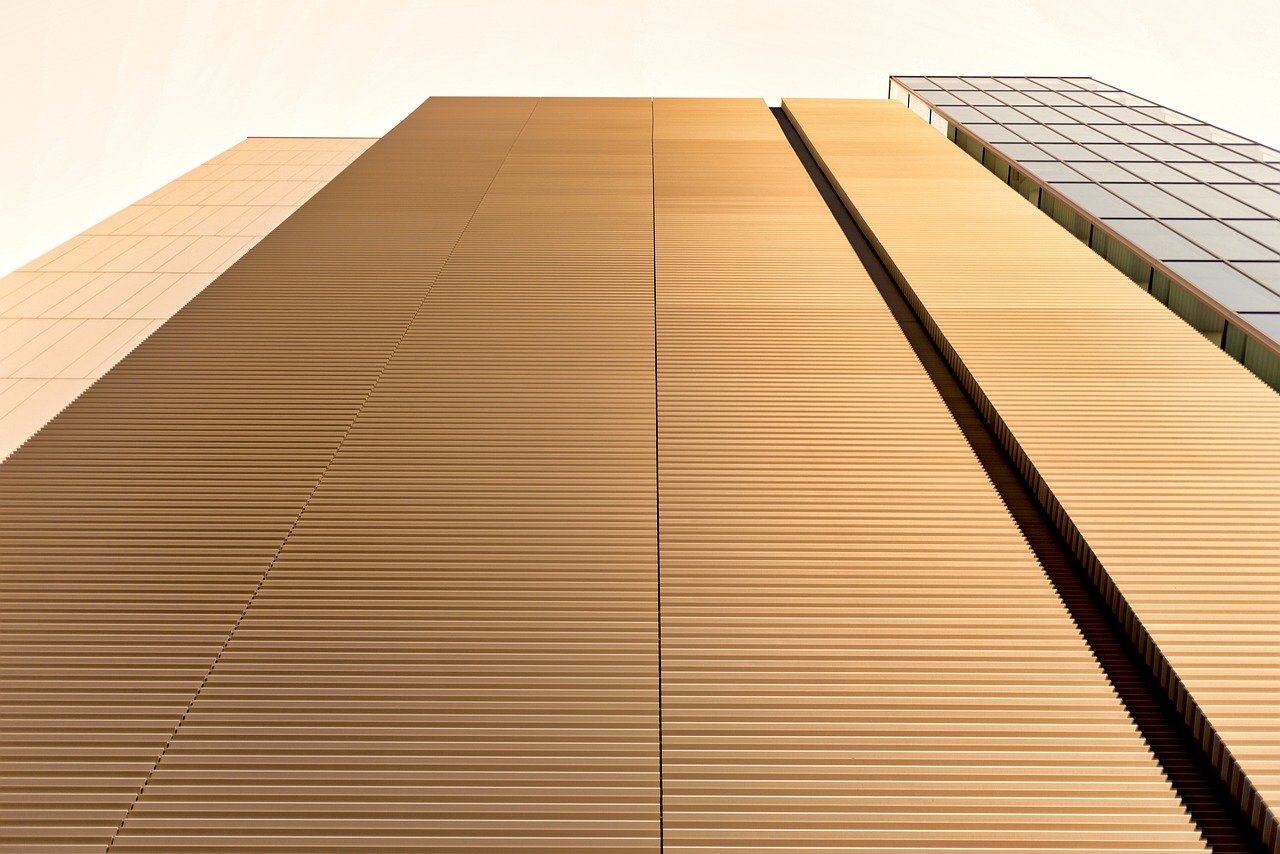

The Revival of Mid-Century Architecture in Contemporary Housing Projects
Understanding Mid-Century Architecture
Mid-century architecture, spanning the 1940s to the 1960s, is characterized by its clean lines, organic forms, and integration with the surrounding environment. This style emphasizes the use of natural materials, indoor-outdoor living, and functionality. Architects like Frank Lloyd Wright, Richard Neutra, and Mies van der Rohe were influential in developing this aesthetic, focusing on simplicity and a connection to nature.
Contemporary Adaptations
In recent years, there has been a resurgence of interest in mid-century designs, spurred by a desire for sustainability, simplicity, and authenticity in contemporary housing projects. This revival manifests in various ways, from the careful preservation of original homes to the creation of new builds that pay homage to mid-century principles.
Modern architects are drawing inspiration from mid-century design elements, such as large windows, open floor plans, and organic materials. These features resonate due to their appeal in an increasingly urbanized world where space efficiency and a connection to nature are paramount.
Key Features of the Revival
-
Open Floor Plans: One of the hallmark features of mid-century architecture is the open floor plan, which encourages a flow of movement between spaces. Contemporary projects are increasingly embracing this concept, allowing for flexible living arrangements and maximizing natural light.
-
Integration with Nature: The mid-century philosophy of creating a seamless bond between the indoors and outdoors is being reflected in modern design. Architects are focusing on large windows and sliding glass doors to foster a direct connection with nature, increasing the potential for biophilic design, a trend that emphasizes human connection to the environment.
-
Use of Natural Materials: Mid-century architecture prioritizes the use of wood, stone, and other natural materials. Today’s architects are revived by this ethos, opting for sustainable materials that are eco-friendly and aesthetically pleasing, further aligning with contemporary sustainability concerns.
-
Iconic Rooflines: The distinctive sloped and flat roofs commonly seen in mid-century homes are making a comeback in contemporary architecture. These roof forms are not only visually striking but also offer opportunities for innovative designs, such as rooftop gardens or solar panels.
-
Statement Furniture and Fixtures: Mid-century modern furniture has maintained its iconic status and finds its place in contemporary homes as well. Items like Eames chairs and teak tables add character to modern spaces, melding the old with the new while maintaining a sense of style.
Global Influence and Popularity
The revival of mid-century architecture is evident worldwide, transcending geographic boundaries. From the mid-century housing developments in California to Scandinavian-inspired homes in Europe, this style reflects a universal desire for functional beauty and timeless design.
Cities like Los Angeles and Palm Springs are particularly noted for their mid-century modern neighborhoods. These areas have seen increased interest in preservation efforts, as well as new constructions that respect the original aesthetic while incorporating modern amenities.
Contemporary Examples
Several contemporary housing projects exemplify the successful integration of mid-century ideals. One notable example is the “Kinfolk House” in Austin, Texas, designed around the principles of mid-century modernism. Featuring expansive windows, an open floor plan, and eco-friendly materials, this project demonstrates how to seamlessly blend the past with the present.
Another compelling instance is the “Glass House” in New Canaan, Connecticut. Originally built by Philip Johnson in 1949, this structure represents a perfect blend of architecture and nature. Recent renovations have highlighted its mid-century roots while ensuring the house meets today’s environmental standards.
Environmental Sustainability
Amid climate concerns and shifting perspectives on living spaces, mid-century architecture’s emphasis on simplicity and functionality provides solutions to contemporary challenges. The move toward sustainable construction practices aligns well with mid-century designs, leading architects to prioritize energy-efficient systems, passive solar heat, and responsible site selection.
Incorporating green technology like solar panels, rainwater harvesting systems, and high-efficiency appliances into these designs further enhances their relevance, marrying historical charm with modern ecological mandates.
The Role of Technology
Modern technology enhances the capability to design and construct mid-century-inspired homes that meet today’s demands. Innovations in materials—like pre-fabricated components and smart home technologies—allow for the creation of striking homes that retain the aesthetic integrity of the mid-century style while providing modern conveniences.
Digital tools also enable architects to visualize projects in new ways, helping to refine the integration of mid-century elements with contemporary living needs seamlessly.
Community and Urban Planning
The revival of mid-century architecture is not just an aesthetic movement but also a community-oriented approach. Developers are increasingly investing in projects that foster community engagement, mimicking mid-century garden cities and egalitarian neighborhoods. These developments prioritize walkability and communal spaces, which resonate with those seeking a more connected lifestyle.
The Influence of Design Shows and Media
The renewed interest in mid-century architecture has also been fueled by media representation. Design shows, social media platforms, and home improvement programs showcase renovation projects that honor mid-century design, inspiring homeowners and builders alike. By highlighting the functional benefits and aesthetic appeal of this style, these platforms have cemented mid-century architecture in contemporary popular culture.
Conclusion
The revival of mid-century architecture in contemporary housing projects stands as a testament to its enduring appeal. By embracing the principles that defined this iconic style—functionality, sustainability, and a strong connection to the natural environment—modern architects are crafting homes that not only honor the past but also pave the way for future innovations in design and living. The sustained popularity of mid-century elements reflects our collective aspirations for spaces that are both beautiful and purpose-driven, ensuring this architectural trend remains relevant for years to come.
