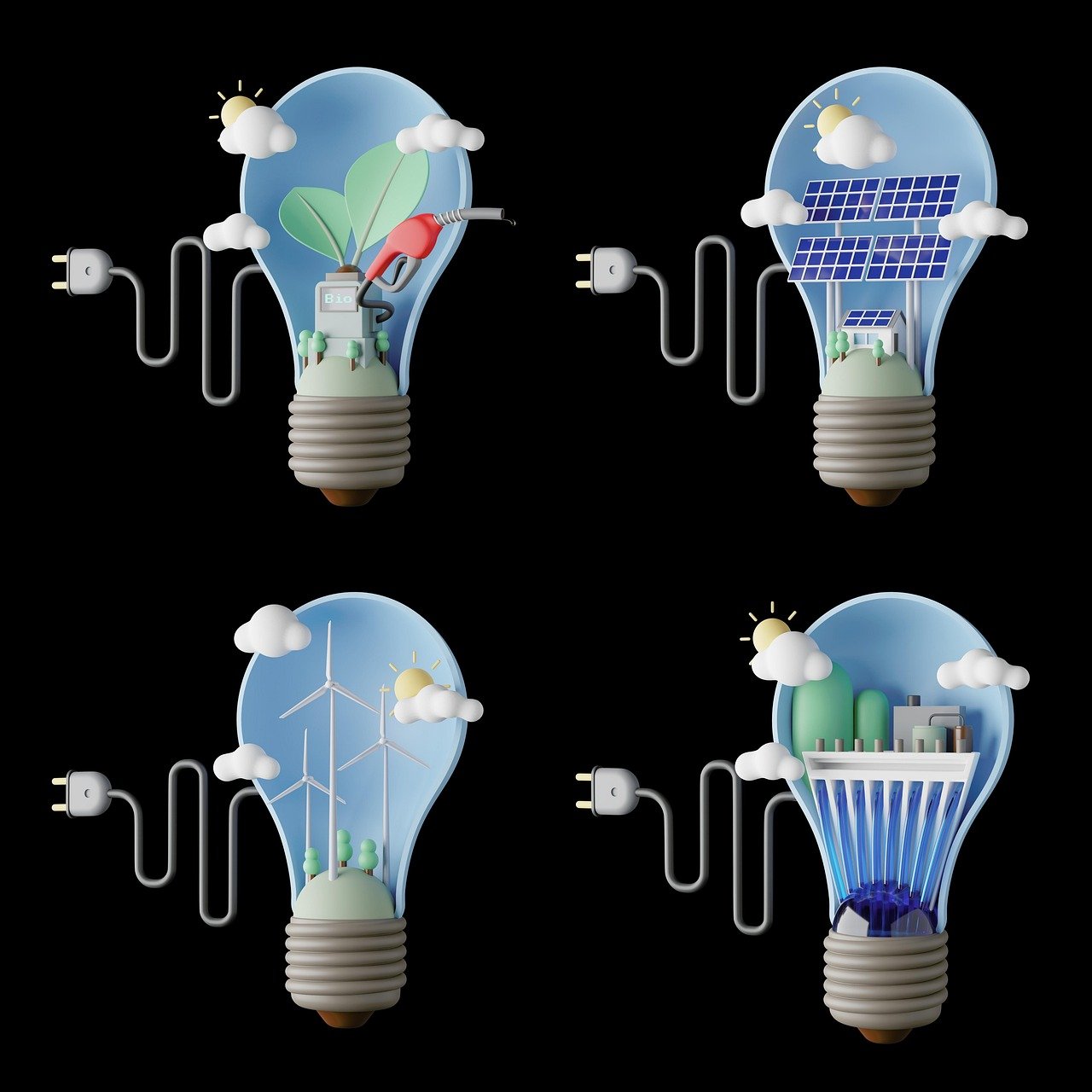

Sustainable Development: The Success of Green Homes in Martha’s Vineyard
The Rise of Green Homes
Martha’s Vineyard, a picturesque island off the coast of Massachusetts, is increasingly recognized for its commitment to sustainable development, particularly through the construction and promotion of green homes. With a vibrant community that values both the natural environment and innovative design, Martha’s Vineyard has become a model for green living. The island is not just a retreat for summer vacationers but a beacon of ecological consciousness and community responsibility.
What Constitutes a Green Home?
Green homes are defined by their sustainable design, energy-efficient technology, and environmentally friendly materials. Key features often include:
- Energy Efficiency: Homes are equipped with energy-efficient windows, high-performance insulation, and energy-efficient appliances.
- Sustainable Materials: Building materials sourced locally or made from recycled elements minimize environmental impact.
- Water Conservation Systems: Rainwater harvesting and greywater systems reduce waste and use of potable water.
- Solar Energy: Many green homes incorporate solar panels to generate clean, renewable energy.
- Landscaping: Native plants and xeriscaping reduce water usage and support local biodiversity.
The Drive for Sustainability on the Island
The push for green homes on Martha’s Vineyard stems from both ecological necessity and cultural appreciation of the island’s natural beauty. With rising sea levels and changing weather patterns due to climate change, residents and builders are prioritizing sustainability. The island’s unique environment—its core ecology, flora, and fauna—is at risk, reinforcing the need for sustainable practices.
The local government has also embraced sustainable development, enacting regulations encouraging eco-friendly construction. This legislative framework is complemented by community initiatives promoting awareness around the benefits and necessity of green living.
Successful Green Home Projects
Several notable projects have exemplified the success of green home development on Martha’s Vineyard:
- The Green House: Situated in Oak Bluffs, this residence uses recycled steel and reclaimed wood. The design minimizes energy consumption through passive solar orientation and features a green roof that supports biodiversity.
- Windemere: A nursing and rehabilitation center in Oak Bluffs integrates sustainable practices including energy-efficient systems and sustainable building materials, demonstrating that eco-friendliness can extend beyond residential construction.
- Sustainable Land Trust Communities: Initiatives like the Martha’s Vineyard Land Bank have worked to create low-impact housing developments that harmonize with the natural landscape, proving that sustainable living is achievable.
The Importance of Community Involvement
Community engagement is a cornerstone of successful green development on Martha’s Vineyard. Residents participate in numerous workshops focused on sustainable practices, from organic gardening to renewable energy. Collaborative projects, such as community solar gardens, not only promote energy independence but also strengthen community bonds.
Local non-profits, such as the Island Grown Initiative, champion sustainable agriculture, support local farmers, and provide educational workshops that encourage residents to adopt sustainable practices at home.
Economic and Environmental Benefits of Green Homes
Investing in green homes can yield substantial economic benefits. Energy-efficient homes typically lower utility bills, providing long-term savings that can offset initial construction costs. Homes built with sustainable materials often retain their value better than their traditional counterparts, as buyers are increasingly drawn to eco-friendly options.
Additionally, green homes contribute positively to the environment by reducing carbon footprints. They promote biodiversity and can minimize waste and pollution during construction and throughout their lifecycle. These factors are increasingly important in real estate valuations, making green homes more attractive to environmentally conscious buyers.
Challenges Facing Sustainable Development
Despite its successes, the transition to sustainable development on Martha’s Vineyard is not without challenges. The initial costs of building green homes can deter some builders and consumers. Furthermore, stringent building codes and regulations can complicate the process of obtaining permits for innovative designs.
There is also a need for continued education. While awareness of sustainability is growing, some residents remain uninformed about the full scope of benefits offered by green construction. Overcoming societal inertia and resistance to change is essential for further progress.
Future Prospects for Green Homes in Martha’s Vineyard
The outlook for green homes in Martha’s Vineyard is optimistic. As technology evolves, the construction of sustainable homes becomes more accessible and affordable. Incentives from state and local governments encourage investments in energy-efficient technologies and practices, fostering a more sustainable future.
Educational programs focused on sustainability will continue to inspire new generations to commit to eco-friendly practices. The community’s resiliency and proactive approach can serve as a blueprint for other regions seeking to adopt similar sustainable development ideals.
Conclusion
Martha’s Vineyard showcases a successful model of how green homes contribute to sustainable development. The island’s rich combination of community involvement, innovative design, and sustainable practices presents a replicable example for other communities committed to eco-friendly living and resilient futures. The success of green homes in Martha’s Vineyard is not merely a trend—it’s a pathway to a sustainable future that others can learn from and strive to emulate.
