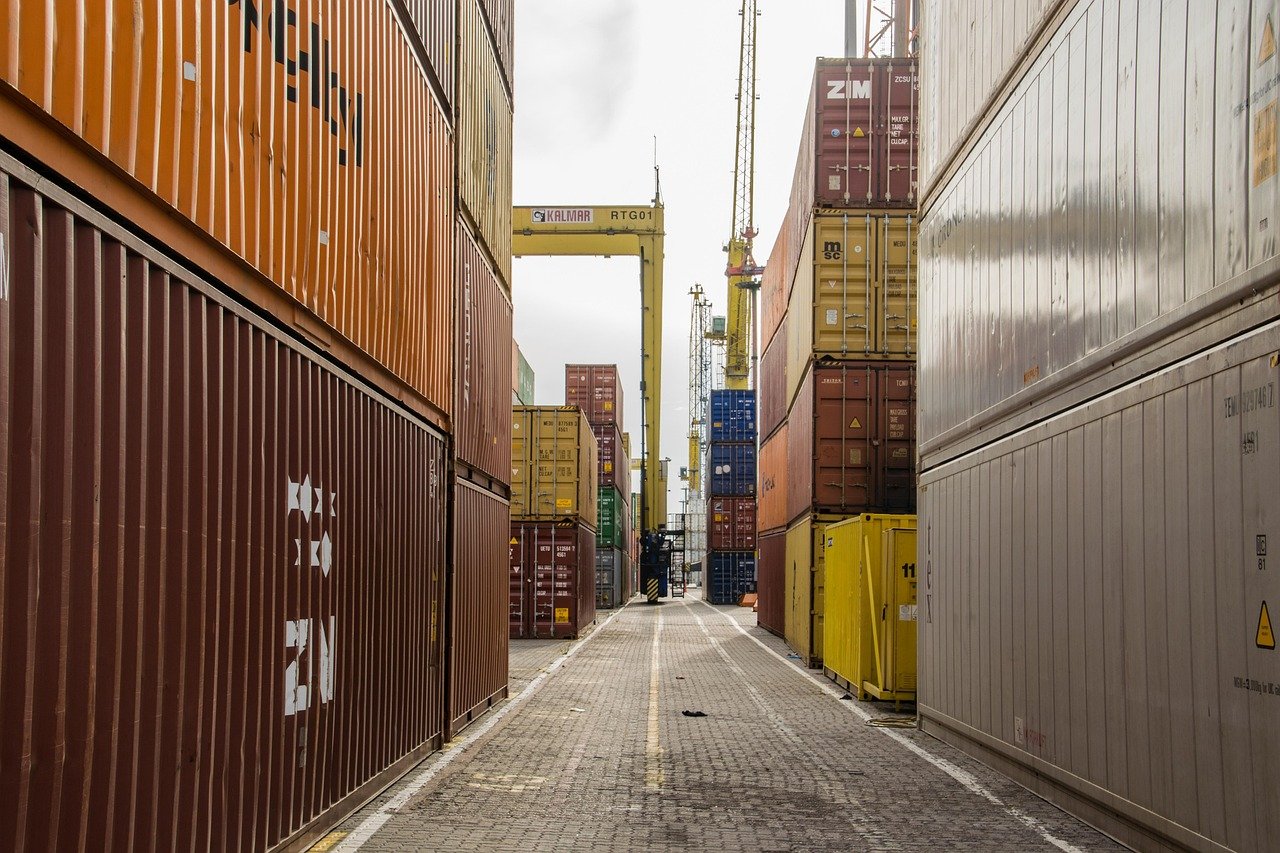

The Transformation of Industrial Zones
Industrial zones are undergoing a remarkable transformation due to advancements in robotics and automation technologies. Historically, these zones were characterized by sprawling warehouses and manufacturing facilities, primarily relying on manual labor for logistics operations. Today, the integration of robotics into logistics real estate is reshaping the landscape, driving efficiency, productivity, and innovation.
Revolutionizing Warehouse Operations
Robotics has revolutionized warehouse operations in industrial zones. Automated Guided Vehicles (AGVs) and Autonomous Mobile Robots (AMRs) are becoming critical components in the management of logistics tasks. These robotic systems are designed to navigate warehouse environments autonomously, transporting goods from one location to another with minimal human intervention.
AGVs follow predefined paths, while AMRs utilize advanced sensors and AI algorithms to navigate dynamic environments. This flexibility allows for faster handling of inventory, reducing turnaround times and optimizing storage density. As a result, companies can process higher volumes in shorter periods, a necessity in today’s fast-paced market.
Enhancing Inventory Management
The implementation of robotics also improves inventory management, a crucial aspect of logistics within industrial zones. Robotic systems equipped with RFID (Radio-Frequency Identification) can efficiently track stock levels in real-time, minimizing human error and preventing stockouts or overstock situations.
Moreover, integrating robotics with Inventory Management Systems (IMS) allows for precise forecasting and demand analysis. This synergy enables businesses to reduce holding costs and streamline their supply chain operations. For instance, robotics can automate cycle counts, freeing staff to focus on strategic tasks, further enhancing productivity.
Optimizing Space Utilization
Space optimization is paramount in logistics real estate, particularly in urbanized industrial zones where land is at a premium. Robotics facilitates better utilization of vertical space through the use of automated storage and retrieval systems (AS/RS). These systems can manage inventory in multi-level racking systems efficiently, maximizing available square footage while maintaining easy access to products.
Additionally, robotics can adjust the warehouse layout dynamically, creating a more fluid environment that responds to changing inventory needs. As e-commerce continues to grow, the demand for agile and scalable warehouse designs will only increase, further emphasizing the importance of robotics.
Cost Efficiency and Labor Dynamics
One of the most significant advantages of integrating robotics into logistics real estate is its impact on cost efficiency. By automating repetitive tasks such as picking, packing, and sorting, businesses can reduce labor costs and increase operational speed. While there is an initial investment in robotic systems, the long-term savings and return on investment (ROI) can be substantial.
However, this shift does bring concerns about labor displacement. The introduction of robotics changes the nature of employment in logistics. While some positions are rendered obsolete, new roles focused on robot maintenance, programming, and logistics management emerge. Workers can be retrained to oversee robotic systems, ensuring that human expertise remains integral to the operation.
Sustainability and Environmental Impact
Sustainability has become a fundamental concern in industrial operations. Robotics contributes to greener logistics practices by enhancing energy efficiency and reducing waste. Automated systems often optimize routes and workflows, minimizing unnecessary transport and resource use.
Additionally, robots can support sustainability initiatives through precise material handling and reduced spoilage. For example, in food distribution, robotic systems can manage temperature-sensitive products more effectively, ensuring that goods remain fresh while minimizing waste.
The Future of Industrial Zones
As robotics continues to evolve, the future of industrial zones is poised for further transformation. Innovations in artificial intelligence (AI) are pushing the boundaries of what robotics can achieve in logistics. Advanced AI-driven algorithms will enable robots to learn from their environments and optimize their operations in real-time, further increasing efficiency.
Moreover, the advent of 5G technology is set to enhance connectivity between robotic systems, enabling more sophisticated coordination and control. This enhanced communication will allow for better fleet management and the potential for swarm robotics, where multiple robots work together seamlessly to accomplish complex tasks.
The Role of Data Analytics
Incorporating robotics into logistics operations generates vast amounts of data. Advanced analytics platforms can process this data to provide actionable insights, allowing businesses to refine their operations continuously. By analyzing workflow efficiency, inventory turnover, and customer demand patterns, companies can make informed decisions that drive productivity and profitability.
Data analytics also plays a crucial role in predictive maintenance of robotic systems. By monitoring performance metrics, businesses can anticipate failures before they occur, minimizing downtime and extending the life of equipment.
Challenges and Considerations
While the benefits of robotics in logistics real estate are substantial, challenges remain. The complexity of integrating robotics into existing systems can deter companies from making the transition. Additionally, data security and the potential for cyber threats pose risks as logistics operations become increasingly reliant on connected technologies.
Moreover, regulatory compliance, especially concerning safety standards and labor laws, must be considered. Companies must navigate these challenges carefully to maximize the advantages of robotics while ensuring a smooth transition.
The Role of Collaboration and Partnerships
Collaboration is vital in overcoming the challenges associated with robotics in logistics. Partnerships between logistics providers, technology developers, and academic institutions can foster the development of innovative solutions tailored to specific industry needs.
Research and pilot projects can help identify best practices and refine robotic systems for diverse applications. By sharing knowledge and resources, stakeholders can accelerate the adoption of robotics in logistics operations.
Conclusion
Rethinking industrial zones in light of robotics is crucial for the future of logistics real estate. The integration of automation technologies fosters increased efficiency, sustainability, and adaptability. As businesses confront the challenges and embrace the opportunities presented by robotics, the logistics sector will continue to evolve dramatically, resulting in transformed industrial environments that are better suited for the complexities of modern commerce.
