
The Future of Urban Housing: Sustainability and Smart Living Solutions
Emerging Trends in Urban Housing
Urban housing is undergoing a transformative shift, influenced by the increasing global population, climate change, and technological advancements. As cities expand, the demand for efficient, sustainable living spaces is growing. In this context, urban housing solutions must balance sustainability, affordability, and the integration of smart technologies.
Sustainable Building Materials
One of the cornerstones of sustainable urban housing is the use of innovative building materials. Traditional construction methods often rely on concrete and steel, both of which have significant carbon footprints. The future of urban housing will likely incorporate materials such as cross-laminated timber (CLT), which not only sequesters carbon but can also reduce construction time and lower costs.
Recycled materials are also becoming mainstream. For instance, using recycled plastics in construction provides an excellent way to minimize waste while creating durable and versatile building products. Additionally, products like hempcrete, made from hemp fibers, are being touted for their thermal insulation properties and renewability.
Energy Efficiency and Renewable Energy
Energy efficiency remains a vital consideration for urban housing. The integration of smart technologies into energy systems can significantly reduce consumption. In the future, solar panels will likely become a standard feature on urban homes, often paired with battery storage systems that allow residents to store excess energy produced during the day for use at night.
New technologies such as energy-efficient windows, which utilize materials that reflect heat, and walls insulated with advanced materials, will also help in minimizing energy loss. The widespread adoption of smart thermostats and energy monitoring systems allows residents to gain better control over their energy consumption, aligning with their lifestyle while contributing to overall energy savings.
Modular and Prefabricated Housing
Prefabrication is carving a niche in the future of urban housing. By constructing homes in a factory setting, developers can reduce waste, ensure consistent quality, and speed up the building process. Modular housing solutions not only minimize disruptions in urban areas but also allow for better use of land.
These modular units can be designed to fit various urban landscapes and adapt to the needs of a community or individual residents. Future cities may feature entire neighborhoods comprised of prefabricated and modular homes that can be assembled quickly, with the flexibility of expanding or modifying units as needed.
Vertical Living and Smart Communities
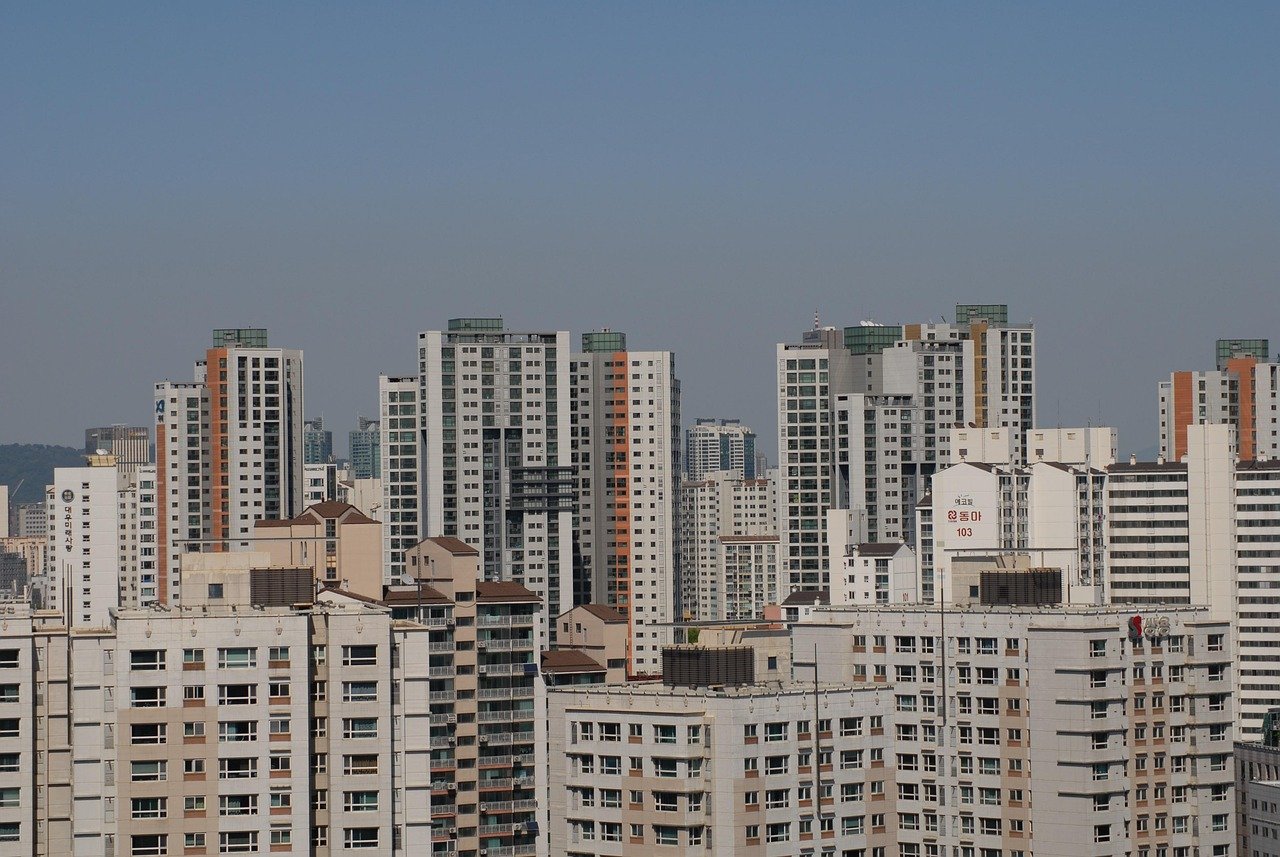
As urban spaces become more congested, vertical living solutions are emerging as a practical answer to space constraints. High-rise residential buildings equipped with amenities such as parks, gardens, and communal spaces facilitate a sense of community while optimizing land use.
Vertical farms, integrated into these urban high-rises, can provide fresh produce, reducing the carbon footprint associated with transporting food. Rooftop gardens will also play a role in managing urban heat, improving air quality, and promoting biodiversity.
Furthermore, smart communities are growing in popularity, leveraging IoT (Internet of Things) devices to enhance residents’ experiences. Smart lighting, waste management systems that optimize collection routes based on usage, and connected security systems all contribute to safer and more efficient living environments.
Water Conservation and Management
With climate change leading to water scarcity in many urban areas, the future of urban housing must prioritize water conservation. Rainwater harvesting systems, greywater recycling, and smart irrigation technologies are essential components of sustainable housing design.
Innovative plumbing fixtures that reduce water flow, combined with landscaping that requires minimal water, will be standard in future homes. Additionally, advanced monitoring systems will enable homeowners to track water usage and leak detection in real-time, fostering more responsible consumption behaviors.
Affordable Housing and Inclusive Design
As urban living becomes increasingly popular, the challenge of affordable housing must be addressed. Future projects will need to incorporate mixed-use developments that combine residential, commercial, and recreational spaces, enabling residents to work, live, and play within their neighborhoods.
Inclusionary zoning policies and community land trusts are gaining traction as mechanisms to ensure that a range of housing options is available, catering to diverse income levels. Moreover, universal design principles should be integrated into housing projects, ensuring accessibility for people of all ages and abilities.
Smart Home Technologies
The integration of smart technologies into residential spaces is reshaping the urban housing landscape. Home automation systems allow occupants to control lighting, heating, and security through mobile apps. Furthermore, voice activated systems are becoming increasingly common, facilitating effortless management of a home’s environment.
Smart appliances equipped with sensors can optimize energy and water use. For instance, refrigerators can notify residents about expiring food items, while washing machines can schedule cycles during off-peak energy hours. This technology not only enhances convenience but also encourages more sustainable living practices.
Urban Green Spaces and Biophilic Design
The incorporation of green spaces within urban housing is essential for promoting mental wellbeing and enhancing air quality. Future urban developers are increasingly recognizing the importance of biophilic design — an approach that integrates nature into the built environment.
This can manifest in various forms, such as living walls or green roofs, which help to combat the urban heat island effect and improve biodiversity. Community parks, urban gardens, and green corridors will provide residents with access to nature, fostering a sense of community and connection to the environment.
Policy and Regulatory Frameworks
To realize these innovative urban housing solutions, supportive policies and regulatory frameworks are crucial. Governments will need to provide incentives for developers to build sustainably, including tax breaks for the use of green materials or technologies. Streamlining zoning regulations can also facilitate the emergence of diverse housing strategies.
Furthermore, public-private partnerships could help fund smart housing initiatives, ensuring that sustainable living solutions reach a broader audience. By implementing policies that encourage collaboration, cities can lead the way in creating a housing future that prioritizes environmental stewardship and community wellbeing.
Conclusion: A Holistic Approach
The future of urban housing lies in a holistic approach that embraces sustainability, smart technologies, and inclusive practices. By focusing on innovative materials, energy efficiency, community-centric designs, and supportive policies, we can create urban spaces that not only accommodate growing populations but also enhance the quality of life for all residents. As we navigate this transition, the goal will be to foster a built environment that harmonizes with nature while promoting resilience and adaptability in the face of future challenges.
