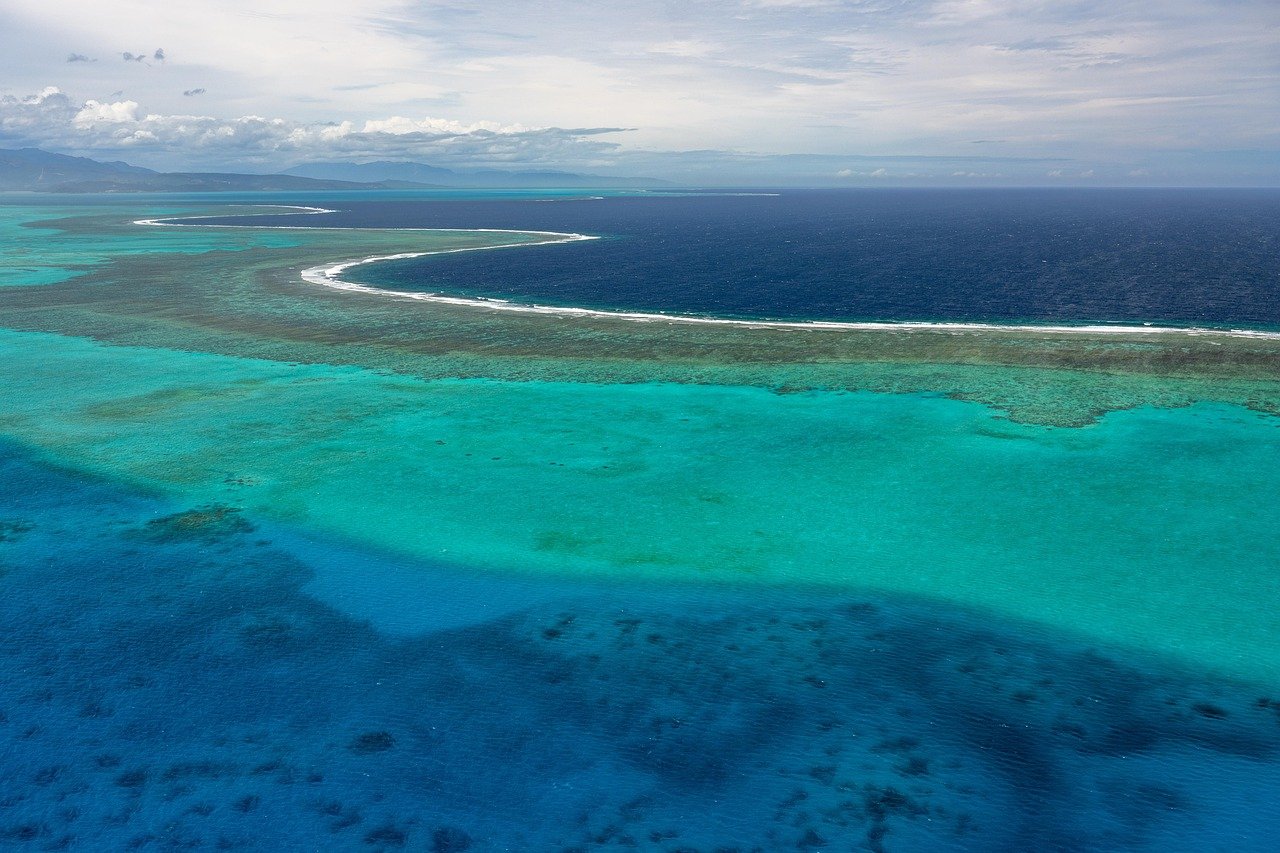

The Real Estate Boom: Impact of Island Projects on Urban Landscapes
Understanding the Island Real Estate Boom
The real estate sector has witnessed significant transformations, particularly with the development of island projects that have reshaped urban landscapes. These initiatives are not merely about luxury living; they are pivotal in revamping local economies, enhancing tourism, and addressing housing shortages. Various regions, especially coastal cities, are doubling down on island developments, driven by the allure of exclusivity and the demand for sustainable living environments.
Factors Driving the Boom
-
Tourism Growth: Islands are traditionally known for their pristine beaches and natural beauty, attracting tourists year-round. The rise in international travel has created a demand for diverse accommodations, prompting developers to invest in exclusive island resorts and vacation homes.
-
Sustainable Development: As global consciousness about climate change grows, sustainable construction has taken precedence. Island projects are increasingly designed with eco-friendly materials and renewable energy sources, appealing to environmentally conscious buyers.
-
Technological Advancements: Innovations in construction technology, such as modular building and 3D printing, have reduced costs and construction timelines, making island developments more feasible than ever before.
-
Urban Migration: The shift towards remote work has encouraged urban dwellers to seek out idyllic locations for primary residences. Islands provide an attractive alternative for individuals looking for tranquility while remaining connected to major urban centers.
Types of Island Projects
-
Residential Developments: These projects range from luxury estates to more affordable, community-focused housing. Developers are keen on enhancing amenities such as private beaches, marinas, and recreational areas to attract families and retirees alike.
-
Mixed-Use Developments: These initiatives combine residential, commercial, and recreational spaces within the same development. They create vibrant communities where residents can live, work, and play without the need to travel far.
-
Eco-Resorts: With the rise of eco-tourism, projects designed specifically with sustainability in mind are increasingly popular. These resorts often emphasize minimal environmental impact, with features like solar power, rainwater harvesting, and wildlife conservation areas.
Case Studies of Successful Island Projects
-
The Palm Islands, Dubai: One of the most famous island developments globally, The Palm Islands are artificial islands designed in the shape of palm trees. They host luxury residences, hotels, and entertainment venues, dramatically changing Dubai’s coastline and enhancing its tourism appeal.
-
Bora Bora’s Luxury Villas: In French Polynesia, luxury villas constructed on stilts above crystal-clear water have set new standards for romantic getaways. These constructions have not only attracted high-net-worth individuals but also boosted local economies through tourism.
-
Sentosa Island, Singapore: A leading leisure destination, Sentosa has undergone transformative developments over the years, integrating residential, commercial, and recreational areas. The island features hotels, theme parks, and nature trails, catering to both residents and visitors.
The Economic Impact of Island Developments
Island projects, while luxurious, play a significant role in local economies. They create jobs, attract investment, and enhance infrastructure. Increased tourism leads to higher revenues from taxes, which can be reinvested into community services and amenities.
-
Job Creation: From construction to hospitality, island projects can dramatically increase employment rates in areas where traditional job opportunities may be limited.
-
Infrastructure Development: With the influx of residents and tourists, local governments are often compelled to upgrade infrastructure. This includes roads, transportation systems, and utilities, benefiting existing residents.
-
Real Estate Market Growth: Unique island properties can significantly increase local real estate values. Investors are drawn to these developments, creating a competitive market for both residential and commercial properties.
Challenges Facing Island Projects
Despite their numerous benefits, island projects can face several challenges.
-
Environmental Concerns: Natural ecosystems are often jeopardized by construction, leading to habitat loss and pollution. Developers must navigate these challenges while adhering to environmental regulations.
-
Regulatory Hurdles: Different islands have varying legal frameworks concerning land use, which can prolong project timelines or increase costs. Understanding local policies is vital for successful development.
-
Infrastructure Limitations: Some islands may have limited infrastructure, impacting the feasibility of large-scale developments. Developers often have to work closely with local governments to ensure necessary utilities and services are in place.
Future of Island Developments
As urban populations continue to grow, the demand for island living will likely increase. Developers are expected to focus on building environmentally sustainable communities that foster engagement and connectivity. The emphasis will shift towards creating mixed-use developments that cater to the lifestyle demands of modern residents.
-
Rise of Smart Islands: Integration of smart technology into island projects is anticipated. Smart homes, energy-efficient systems, and connected community networks will enhance the living experience.
-
Focus on Resilience: In light of climate change, future developments will prioritize resilience. This includes constructing buildings that can withstand extreme weather events and enhance ecological balance.
-
Cultural Preservation: Developing island projects that respect and integrate local culture will become increasingly vital. This approach not only attracts tourism but also fosters community pride and continuity.
Conclusion on Island Real Estate Boom
The real estate boom driven by island projects is not merely about creating luxury estates—it signals significant shifts in lifestyle choices, environmental considerations, and urban planning. As technology and sustainability converge in the world of real estate, these island developments will transform not only landscapes but also the very fabric of communities worldwide. The future appears bright, and the opportunities vast for those willing to innovate and invest in these unique spaces.
