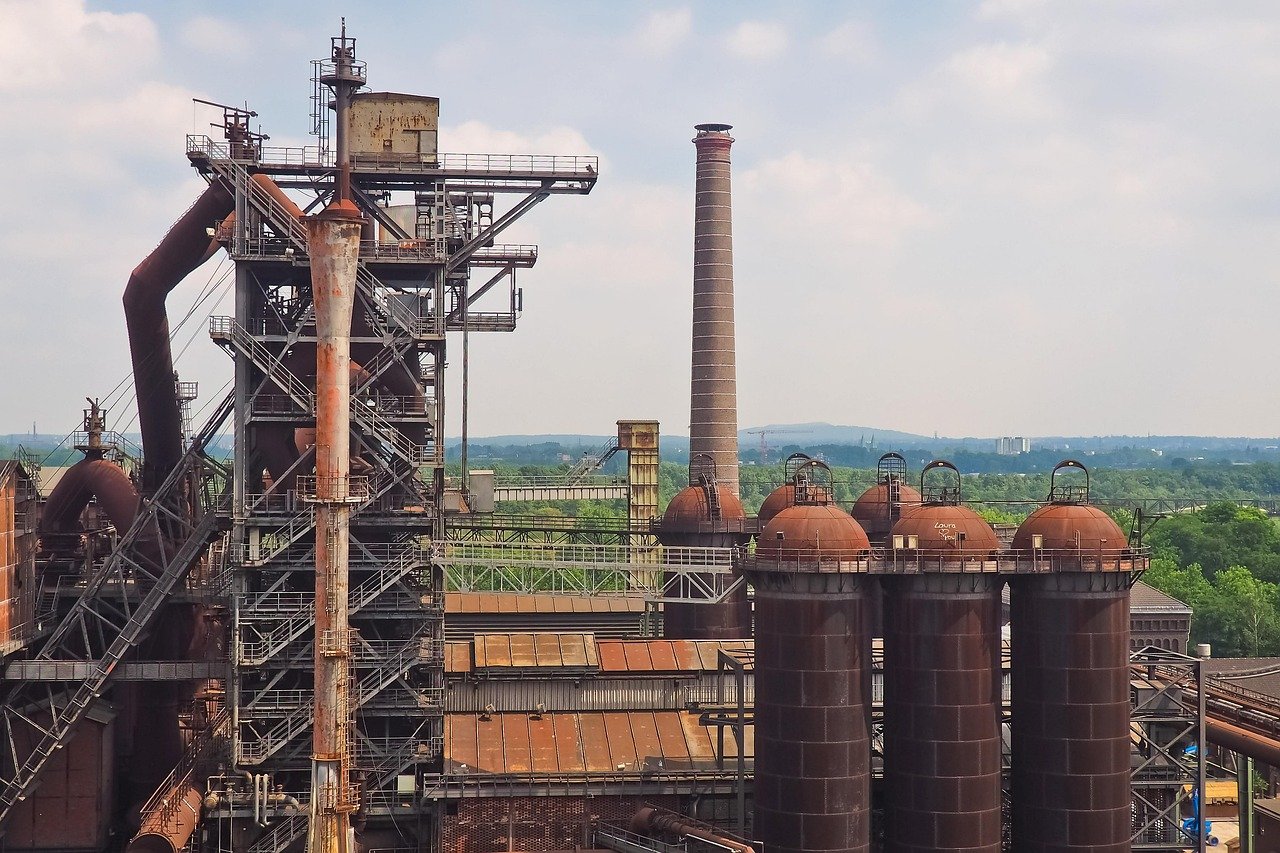

Key Factors Driving Demand for Industrial Space Amid Supply Chain Challenges
1. E-commerce Growth
The explosive growth of e-commerce has significantly altered the landscape of industrial space usage. As consumers increasingly prefer online shopping, the demand for logistics and distribution centers has surged. Retailers are investing in warehouses to ensure quick delivery to customers, necessitating more industrial properties near urban centers for last-mile logistics. This trend is accentuated by the consumer expectation of faster shipping times, prompting companies to establish a more extensive network of distribution facilities.
2. Supply Chain Resilience
Recent supply chain disruptions caused by pandemics, geopolitical tensions, and natural disasters have compelled businesses to rethink their supply chain strategies. Companies are focusing on increasing resilience to avoid over-reliance on single sources or distant manufacturing facilities. This shift toward diversifying suppliers and creating more localized distribution networks drives demand for industrial spaces closer to manufacturing and consumer centers.
3. Technological Advancements
The integration of advanced technologies in industrial operations has boosted the need for specialized spaces. Innovations like robotics, automation, IoT (Internet of Things), and AI (Artificial Intelligence) are reshaping how goods are manufactured and distributed. Facilities equipped to incorporate these technologies require more square footage and specialized layouts, resulting in higher demand for modern industrial spaces.
4. Nearshoring Trends
In response to supply chain vulnerabilities highlighted by recent global events, many companies are considering nearshoring as a strategy. This approach involves relocating manufacturing operations closer to the end consumer, usually within the same country or to neighboring countries. As businesses adopt nearshoring, the demand for industrial properties within these regions increases, driving investment and construction in local markets.
5. Sustainability Initiatives
Businesses are increasingly prioritizing sustainability across their operations, influencing their real estate choices. Industrial facilities are being designed to meet LEED (Leadership in Energy and Environmental Design) certifications and other sustainability standards. As companies focus on reducing their carbon footprints and minimizing energy consumption, demand for eco-friendly industrial spaces that accommodate renewable energy solutions is rising rapidly.
6. Urbanization
Rapid urbanization continues to increase demand for industrial spaces near cities. The increasing population density in urban areas has led to a growing need for logistic facilities. Industrial spaces situated close to urban centers allow for efficient distribution channels, reducing transportation costs and aligning with consumer trends that favor local sourcing and quick delivery. As urban populations grow, the necessity for industrial real estate in metropolitan regions becomes more pronounced.
7. Changing Consumer Preferences
As consumer preferences evolve, businesses must adjust their supply chains to meet changing demands. The shift towards a more personalized shopping experience, including customized products and next-day delivery options, necessitates new warehousing solutions. Companies are thus investing in flexible industrial spaces that can adapt to different product types and logistical needs, fueling demand.
8. Increased Inventory Levels
Many companies have realized the importance of maintaining higher inventory levels for critical products to mitigate future disruptions, especially highlighted during recent events. This inventory buildup requires more storage space, leading to increased demand for industrial warehouses. Firms prefer larger distribution centers that can hold more stock to meet fluctuating consumer demand without delays.
9. Infrastructure Improvements
Government investments in infrastructure development also play a crucial role in driving demand for industrial spaces. Enhancements in transportation networks, such as highways, railroads, and ports, facilitate more efficient logistics operations. Improved infrastructure attracts new businesses to the area, leading to heightened demand for industrial properties as companies seek to leverage these upgrades for their supply chain efficiency.
10. Real Estate Investor Interest
The industrial real estate sector has increasingly attracted investment, boosting demand for industrial spaces. Institutional investors and real estate investment trusts (REITs) see industrial properties as stable investments, especially with the surge in e-commerce and logistics. This influx of capital leads to new developments in the sector, as investors seek to capitalize on the growing need for modern industrial facilities.
11. Flexibility and Adaptive Reuse
The complexity of modern supply chains requires flexibility in operations. Many businesses are opting for multi-use industrial spaces that can quickly adapt to various functions, from manufacturing to warehousing. Additionally, the adaptive reuse of vacant retail spaces and other structures into industrial facilities provides a cost-effective solution to meet this rising demand, allowing companies to quickly establish operations without the lengthy process of new construction.
12. Labor Market Considerations
Access to a skilled labor force significantly impacts the demand for industrial space. As businesses expand their operations, they seek locations that offer not only adequate facilities but also a pool of skilled labor. Areas with strong local workforces are more attractive to companies, leading to increased demand for industrial real estate in those regions.
13. Global Trade Dynamics
The constantly shifting global trade landscape affects where and how companies source their products. As tariffs and trade agreements change, companies may reconsider their strategic locations for manufacturing and distribution. This shifting dynamic results in changing demand for industrial spaces, as businesses look for properties that offer strategic advantages in logistics and market access.
14. Financing and Government Incentives
Government incentives for manufacturing and logistics can also drive demand for industrial spaces. Various local and federal programs offer tax breaks, grants, or subsidies aimed at promoting industrial growth in specific regions. Companies may be more inclined to invest in industrial real estate when these financial incentives are available, broadening their operational horizons.
15. Evolving Business Models
The rise of new business models, such as subscription services and on-demand production, influences the nature of industrial space requirements. Companies are transitioning to models that prioritize agility and speed, demanding spaces conducive to quick changeovers and efficient operations. This evolution requires adaptable industrial spaces, contributing to an increase in demand.
16. Health and Safety Standards
Health and safety regulations, exacerbated by recent global health crises, have led companies to reassess their industrial spaces. Enhanced safety protocols require facilities that can accommodate social distancing and improved air quality. Businesses are thus seeking modern industrial properties that support these new health standards, further driving demand.
17. Globalization and International Markets
As globalization continues to shape economies, businesses are expanding internationally, necessitating more sophisticated logistics and manufacturing capacity. This trend translates into an elevated demand for industrial spaces that can facilitate global operations, with companies seeking strategically located properties to maximize access to international markets.
18. The Role of Data Analytics
Data analytics is reshaping how companies evaluate industrial space performance. Businesses use advanced analytics to optimize their supply chains and operations, discovering new efficiencies and potential areas for growth. The demand for tech-ready industrial spaces equipped to support high data usage and complex systems has surged.
19. Partnerships and Collaborations
Increasingly, businesses partner to enhance supply chain capabilities, sharing facilities or utilizing third-party logistics providers. These collaborations require larger industrial spaces capable of supporting shared logistics and storage needs. As more companies look to combine resources, the demand for appropriately designed industrial properties grows.
20. Transitioning to a Circular Economy
The push towards a circular economy emphasizes sustainability and resource conservation, changing how companies manage their supply chains. This strategy involves maximizing resource use and minimizing waste, prompting firms to explore industrial spaces that facilitate recycling, refurbishment, and repurposing of materials, thus driving a new demand in the sector.
The interplay of these key factors makes the industrial space market one of the most dynamic and compelling sectors in real estate today. Understanding these trends can help stakeholders navigate the complexities of supply chain challenges while positioning themselves for future growth.
