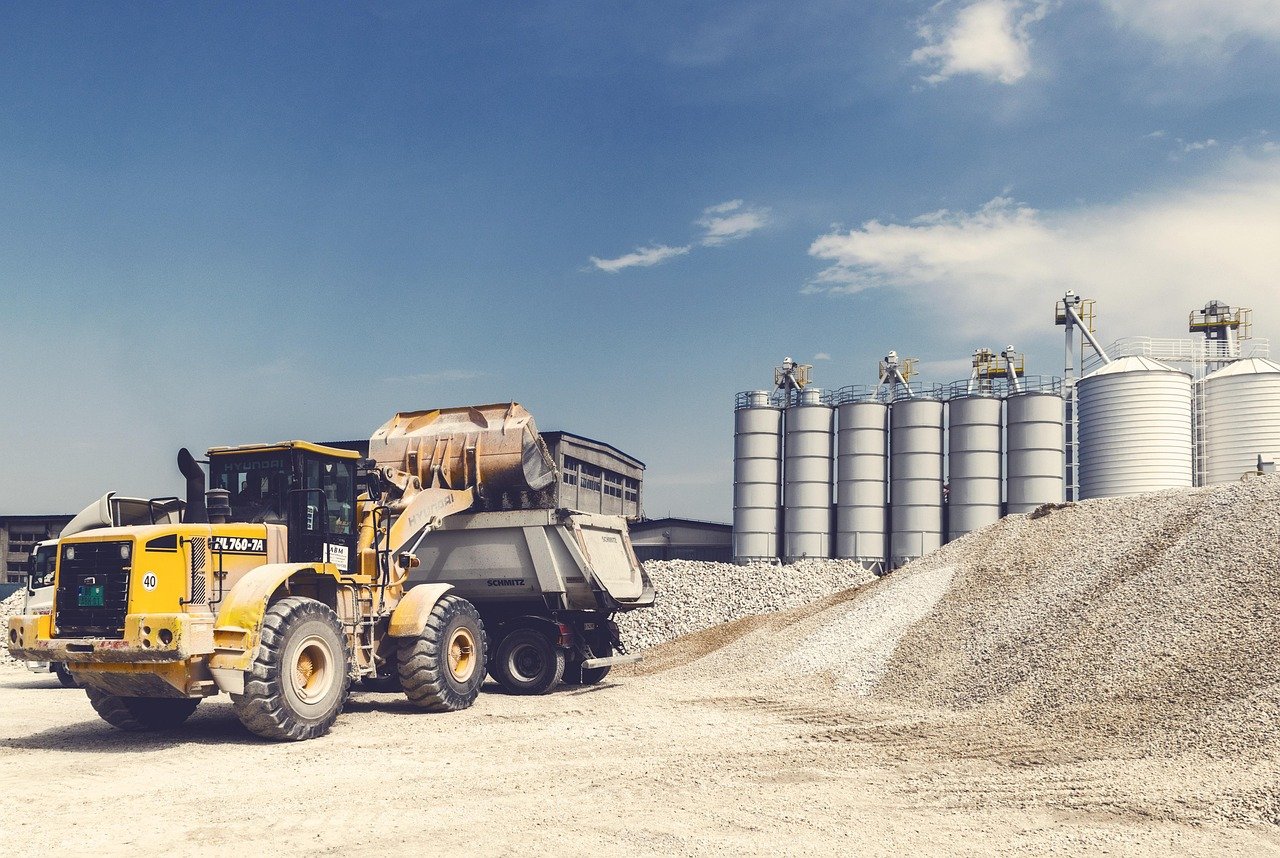

The Evolution of Industrial Parks through Technological Innovation
1. The Rise of Smart Industrial Parks
As American industries continue to evolve, the concept of industrial parks has transformed significantly due to technological advancements. Smart industrial parks leverage Internet of Things (IoT) devices, big data analytics, and artificial intelligence (AI) to enhance operational efficiency. Smart grids within these parks facilitate energy management, allowing companies to optimize energy consumption during peak hours, significantly reducing costs and minimizing environmental impact.
2. Advanced Manufacturing Technologies
American industrial parks are increasingly integrating advanced manufacturing technologies such as 3D printing and robotics. 3D printing allows companies to produce parts on-demand, reducing inventory costs and lead times. The adoption of robotics enhances efficiency in repetitive tasks, ensuring higher precision and safety in manufacturing processes. These evolving techniques create faster prototyping, enabling companies to bring products to market more swiftly, a crucial advantage in competitive industries.
3. Digital Twins for Enhanced Simulation
Digital twin technology enables the creation of a virtual replica of physical assets and processes within industrial parks. By simulating various scenarios, facilities can identify potential risks, optimize workflows, and predict equipment failures before they occur. This predictive maintenance approach helps in minimizing downtime and maximizing productivity. Companies utilize this technology to fine-tune their production lines and reduce waste, promoting sustainable practices in line with current environmental standards.
4. Enhanced Supply Chain Management
Technology is reshaping supply chain logistics within industrial parks. Advanced tracking systems powered by IoT provide real-time visibility of inventory and shipments. This transparency allows businesses to manage supply chain disruptions efficiently. Blockchain technology further enhances this by offering secure and transparent transaction records, making it easier to trace the origin of materials and ensuring compliance with industry standards.
5. Collaborative Robotics and Human Integration
Collaborative robots, or cobots, are designed to work alongside human operators, enhancing productivity and safety in industrial settings. In American industrial parks, these robots carry out repetitive tasks while humans focus on complex problem-solving and decision-making. This human-robot collaboration fosters an innovative work environment, where technology and human skills complement each other, leading to higher job satisfaction and better outcomes.
6. Sustainable Practices through Technology
With growing environmental awareness, American industrial parks are integrating green technology into their operations. Renewable energy sources like solar panels and wind turbines are increasingly being adopted to power these parks, significantly reducing carbon footprints. Smart waste management systems enabled by AI help in optimizing recycling processes, identifying potential areas for waste reduction, and promoting a circular economy model.
7. Cybersecurity Considerations
As industrial parks become more reliant on interconnected technologies, cybersecurity has become a paramount concern. Advanced cybersecurity protocols are now integral to protecting sensitive data from cyber threats. Companies are investing in sophisticated security measures, including machine learning algorithms that detect anomalies and potential breaches in real time. This proactive approach safeguards intellectual property and manufacturing processes, ensuring uninterrupted operations in the digital age.
8. Workforce Development and Training
Technology in industrial parks necessitates a skilled workforce adept at utilizing new tools and systems. Consequently, companies are investing in continuous education and upskilling programs. Partnerships with local educational institutions enhance workforce readiness, ensuring that the labor pool is equipped to handle advanced technologies. Virtual reality (VR) and augmented reality (AR) are now used for training simulations, providing workers with hands-on experience without the risks associated with real-world environments.
9. Data-Driven Decision Making
Big data analytics is revolutionizing how decisions are made in industrial parks. Companies are harnessing massive datasets to glean insights into market trends, consumer behavior, and operational performance. This data-driven approach enables better strategic planning and resource allocation, ultimately leading to increased profitability. Predictive analytics empowers companies to anticipate market fluctuations and adjust their production strategies accordingly.
10. Connectivity and Communication
The proliferation of high-speed internet and 5G technology has enhanced connectivity within industrial parks. Enhanced communication tools facilitate seamless collaboration among businesses within the park and their external partners. This instantaneous communication fosters a more agile operational environment where swift decision-making and collaboration are possible, leading to quicker problem resolution and innovation cycles.
11. Real-Time Monitoring and Analytics
Technologies such as remote sensors and IoT devices enable real-time monitoring of equipment and inventory levels. This immediacy allows for rapid adjustments in production schedules and inventory management, improving overall efficiency. Companies can respond dynamically to the market’s demand fluctuations, enhancing customer satisfaction through better service delivery.
12. Autonomous Vehicles and Drones
Autonomous vehicles are gradually becoming commonplace in industrial parks as they facilitate material handling and transportation within facilities. Drones are also being utilized for inventory management, conducting aerial assessments of large warehouses, and even delivering products. These technologies reduce the labor required for routine tasks, allowing employees to focus on higher-value responsibilities, which is vital in maintaining competitive edges.
13. Integration of AI in Operations
AI technologies are enhancing predictive analytics, quality control, and workflow optimization in industrial parks. Machine learning algorithms process vast amounts of data to identify patterns that human analysts might overlook. AI systems can also predict maintenance needs before machinery breaks down, thus averting potential production loss and extending equipment life cycles.
14. Customization and Personalization
Technology allows for greater customization and personalization in production processes. Companies in industrial parks can leverage data to tailor their products to meet specific consumer demands. This agility in manufacturing enables companies to stay relevant and competitive in fast-changing markets.
15. Enhanced Safety Measures
Technological innovations contribute significantly to safety in industrial parks. Wearable technology monitors workers’ health metrics to identify potential hazards in real time. AI-driven systems can assess workplace conditions and alert management to potentially dangerous situations, ensuring compliance with safety standards and reducing workplace incidents.
16. Remote Work Capabilities
The integration of remote work capabilities into industrial processes has transformed the operational model of industrial parks. Remote monitoring and operation technologies allow experts to manage machinery and workflows from remote locations, adding flexibility to the workforce and ensuring operational continuity.
17. Future Trends and Innovations
Looking forward, American industrial parks are poised to adopt even more innovative technologies. Areas like quantum computing and advanced biotechnology stand on the horizon, promising to revolutionize manufacturing and industrial practices further. As these technologies mature, they will further enhance efficiency, sustainability, and competitive advantage in the American industrial landscape.
18. The Role of Regulations and Policies
Government regulations and policies play a critical role in shaping the technological landscape of industrial parks. Policies focusing on digital infrastructure development, energy efficiency, and cybersecurity guidelines ensure that industrial parks are not only technologically advanced but also compliant with national priorities for sustainable resource management.
19. Community and Economic Impact
Technology-driven industrial parks contribute significantly to local economies by creating jobs and fostering innovation. They stimulate local businesses and attract talent, contributing to regional development and creating a thriving community. Regional collaborations often emerge, resulting in shared resources, knowledge transfer, and enhanced competitiveness.
20. Conclusion
The integration of technology in American industrial parks fosters a dynamic environment ripe for innovation and growth, marking a substantial shift in how industries operate and compete in the global marketplace. These advancements highlight the critical intersection of technology, workforce development, sustainable practices, and economic strategy. As the landscape continues to evolve, industrial parks remain central to America’s industrial future, integrating cutting-edge technologies that enhance productivity and promote sustainability.
