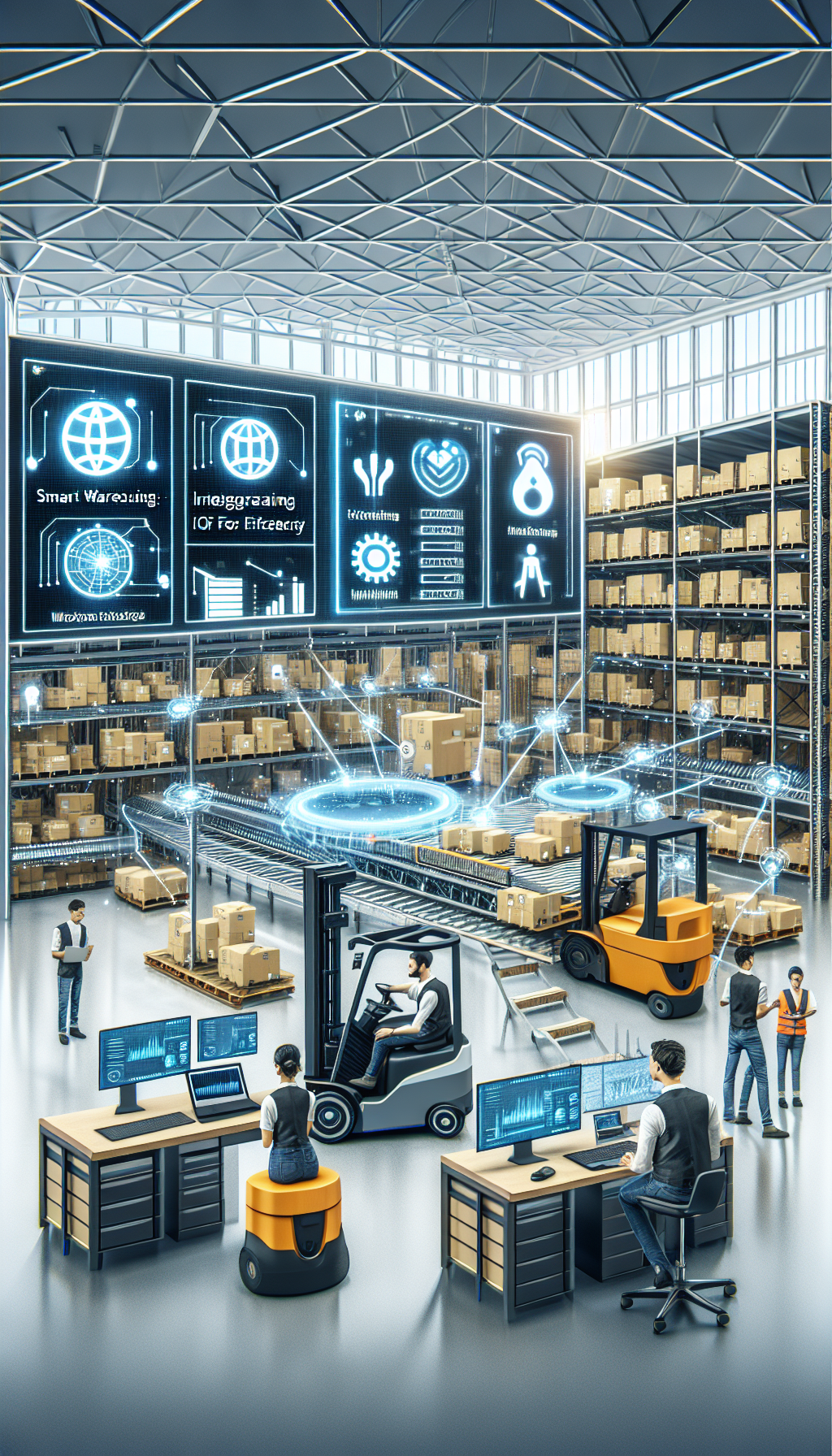

Understanding Smart Warehousing
Smart warehousing refers to the integration of advanced technologies to enhance the efficiency and operational effectiveness of warehousing functions. Among these technologies, the Internet of Things (IoT) has emerged as a key enabler that transforms traditional warehouses into highly optimized smart warehouses. By harnessing IoT technologies, organizations can streamline operations, reduce costs, enhance inventory management, and improve supply chain visibility.
The Role of IoT in Smart Warehousing
IoT devices comprise sensors, RFID tags, and connected machinery that communicate data in real time. In a smart warehouse setting, these devices collect vital information regarding inventory levels, environmental conditions, and equipment performance. This continuous stream of data allows for more accurate decision-making, helping organizations stay agile in a rapidly changing market.
Sensors and Automation
Sensors play a critical role in smart warehousing. Temperature and humidity sensors can monitor conditions for sensitive goods, ensuring they remain within predefined tolerances. This is particularly essential in industries like food and pharmaceuticals, where compliance with safety standards is crucial. Furthermore, automation through robotics, driven by IoT, can streamline operations. Automated guided vehicles (AGVs) can transport goods within warehouses, minimizing human effort and reducing the potential for errors.
Real-time Inventory Management
IoT devices enable real-time inventory visibility, which can significantly minimize the costs associated with inventory shortages or overstocking. RFID tags allow for automated tracking of products as they move in and out of the warehouse. This instantaneous feedback loop ensures that organizations can respond promptly to changing demands, optimizing stock levels and reducing lead times.
Benefits of Smart Warehousing
1. Increased Efficiency
Integrating IoT in warehousing helps achieve greater operational efficiency. Automated systems reduce the time spent on manual tasks, allowing staff to focus on more value-added activities. The implementation of smart picking systems, guided by data analytics, ensures that items are picked in the most efficient order and manner, thereby enhancing overall productivity.
2. Enhanced Safety
The use of IoT devices can enhance safety in warehouses. For instance, wearables equipped with sensors can monitor worker movements and alert them to potential hazards. Additionally, real-time tracking of machinery can prevent accidents by ensuring equipment is maintained and operated safely. Smart alerts regarding environmental conditions can further protect both inventory and personnel.
3. Cost Reduction
By optimizing inventory management and streamlining operations, smart warehousing can lead to significant cost reductions. Real-time data allows organizations to adjust their logistics strategies dynamically, minimizing unnecessary expenditures. Moreover, predictive maintenance made possible through IoT can decrease equipment downtime, reducing repair costs and extending the lifespan of machinery.
Data Analytics in Smart Warehousing
Data analytics plays a pivotal role in maximizing the benefits of IoT in smart warehouses. The vast amount of data generated by IoT devices must be analyzed to extract actionable insights. Predictive analytics can forecast inventory needs based on historical data, helping businesses make informed purchasing decisions. Machine learning algorithms can identify patterns and anomalies, alerting managers to potential issues before they escalate.
Challenges of Implementing IoT in Warehousing
Despite its numerous advantages, implementing IoT in warehousing comes with challenges. One of the primary concerns is data security. As warehouses become more connected, they become more vulnerable to cyber threats. Robust cybersecurity measures must be implemented to safeguard sensitive information.
Another challenge is the integration of legacy systems with new IoT technologies. Warehouses often operate on outdated software and hardware that may not support modern IoT applications. This may require significant investment to upgrade systems, which could be a barrier for smaller organizations.
The Future of Smart Warehousing
As technology continues to evolve, the potential for smart warehousing integrated with IoT will expand. Future advancements may include AI-driven automation, which would further enhance efficiency and decision-making. The emergence of blockchain technology may also contribute to improving transparency and traceability within the supply chain, providing an additional layer of security and accountability.
Collaborative Robots (Cobots)
Collaborative robots, or cobots, are another advancing aspect of smart warehousing that integrates with IoT technology. Unlike traditional industrial robots, cobots are designed to work alongside human workers. These machines can perform repetitive or heavy-lifting tasks, reducing the risk of injury while increasing productivity, as they learn from human actions through connected sensors and systems.
Advanced Forecasting Techniques
The combination of IoT data with machine learning algorithms allows for advanced predictive analytics. By analyzing trends and patterns from past operations, warehouses can better forecast inventory needs and demand fluctuations. This proactive approach can minimize waste, reduce carrying costs, and align supply with actual consumer demand.
Sustainability in Smart Warehousing
Sustainability is another critical aspect of modern warehousing. IoT solutions can significantly improve energy efficiency by monitoring and controlling energy usage in real time. Smart HVAC systems and LED lighting can be optimized based on occupancy and environmental conditions, reducing the carbon footprint of warehouses.
Moreover, efficient inventory management contributes to reduced waste. When goods are tracked with precision, it minimizes the likelihood of overproduction and spoilage, especially for perishable items. Sustainable practices coupled with smart technologies can not only improve operational efficiency but also enhance brand reputation among environmentally-conscious consumers.
Conclusion
Integrating IoT in smart warehousing presents a transformative opportunity for businesses looking to innovate and enhance their operations. With increased efficiency, improved safety, cost reductions, advanced data analytics, and sustainability, the future of warehousing is rapidly evolving. Companies that embrace these technologies will not only lead in innovation but also gain a competitive advantage in the logistics and supply chain arena. Investing in smart warehousing is no longer a question of if, but when, for those wishing to remain relevant in this dynamic landscape.
