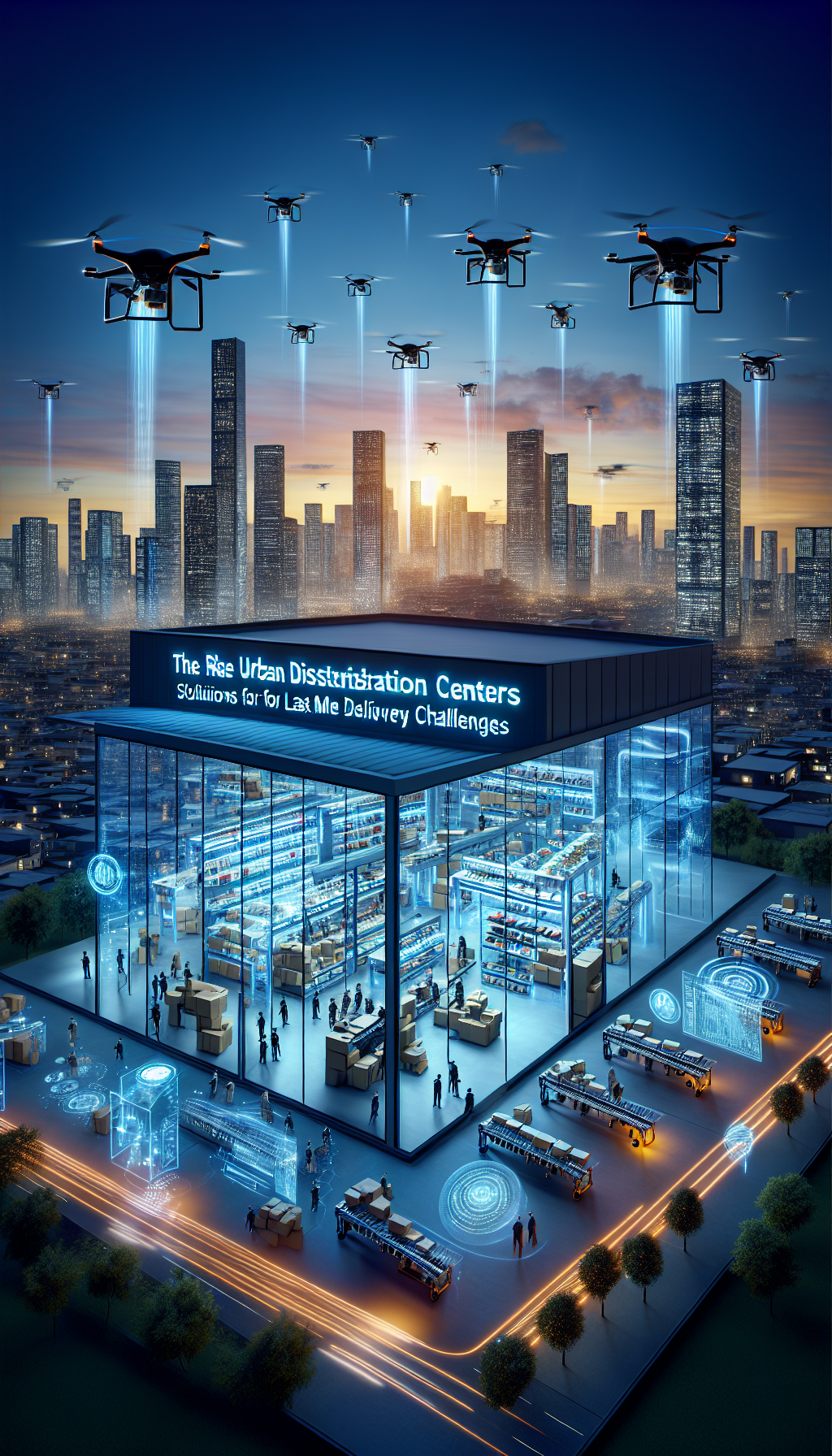

Understanding Urban Distribution Centers
Urban Distribution Centers (UDCs) have emerged as vital hubs in the logistics and supply chain landscape, responding to the increasing complexity of last-mile delivery challenges. These centers are strategically located within urban areas, facilitating the efficient distribution of goods to consumers living in densely populated regions. As e-commerce continues to flourish, the demand for swift, reliable delivery options has grown, driving the evolution of UDCs.
The Last-Mile Delivery Challenge
Last-mile delivery refers to the final step in the shipping process, where goods are delivered from a transportation hub to the end customer. It is often the most costly and complex part of the logistics chain. Factors contributing to these challenges include:
- Urban Congestion: High traffic volumes during peak times can delay deliveries, leading to customer dissatisfaction.
- Increased Consumer Expectations: Modern consumers demand rapid delivery—often within hours—particularly from e-commerce giants like Amazon.
- Environmental Concerns: Deliveries contribute to traffic congestion and carbon emissions, necessitating more sustainable delivery solutions.
- Rising Costs: Operating costs in urban settings are escalating due to real estate prices and labor expenses, further complicating last-mile logistics.
The Role of Urban Distribution Centers
Urban Distribution Centers address these last-mile delivery challenges through several key functions:
-
Proximity to Customers: By positioning UDCs closer to urban populations, businesses can significantly reduce delivery times. UDCs enable same-day or next-day deliveries, enhancing customer satisfaction.
-
Enhanced Distribution Efficiency: UDCs streamline the distribution process by consolidating inventory closer to demand points. This centralization reduces transportation costs and time, allowing logistics companies to deploy smaller, more efficient vehicles for delivery.
-
Versatile Operational Models: UDCs support various operational models, including cross-docking, where incoming shipments are directly transferred to outgoing vehicles without storage, reducing holding times.
-
Hub and Spoke Model: Companies can utilize a hub and spoke model, distributing goods from larger regional warehouses to smaller UDCs, optimizing routes and minimizing delivery distances.
-
Integration with Technology: UDCs leverage cutting-edge technology such as artificial intelligence (AI) and the Internet of Things (IoT) to manage inventory, predict demand patterns, and optimize delivery schedules.
Technological Innovations Driving UDCs
The rise of UDCs is closely linked with technological advancements that facilitate operational efficiencies:
-
Route Optimization Software: Logistical software solutions analyze traffic patterns and delivery windows to determine the best delivery routes, effectively minimizing fuel consumption and transit times.
-
Autonomous Delivery Vehicles: Many companies are exploring or employing self-driving vehicles and drones to further alleviate the burden associated with last-mile logistics, particularly in urban environments.
-
Inventory Management Systems: Advanced inventory systems improve accuracy in stock levels, reducing the chances of delivery delays due to out-of-stock items.
Environmental Impact and Sustainability Considerations
As concerns regarding environmental sustainability intensify, UDCs can play a pivotal role in reducing the carbon footprint of urban deliveries. Strategies include:
-
Electric Vehicles (EVs): Many logistics firms are transitioning to fleets powered by electric vehicles, reducing greenhouse gas emissions associated with delivery processes.
-
Consolidation of Deliveries: UDCs promote the consolidation of deliveries, allowing multiple packages to be delivered in one trip, thus reducing the number of vehicles on the road and lowering overall emissions.
-
Sustainable Packaging: Companies are increasingly implementing eco-friendly packaging solutions, further enhancing their sustainability efforts and appealing to environmentally conscious consumers.
Current Trends in Urban Distribution Centers
As the logistics landscape evolves, several trends are shaping the future of Urban Distribution Centers:
-
Micro Fulfillment Centers: These smaller storage spaces focus on rapid delivery for consumer goods, enhancing the ability to promptly service local demand.
-
Collaborative Logistics: Companies are beginning to share UDCs and distribution networks, maximizing operational efficiencies and reducing costs while serving multiple businesses.
-
Integration of E-commerce and Retail: With the integration of UDCs in retail spaces, brick-and-mortar stores are transforming into fulfillment centers, allowing for improved omnichannel capabilities.
-
Investment in Infrastructure: Increased investment in urban infrastructure, including reliable broadband for technology enhancements, is crucial for the successful operation of UDCs.
Implications for Businesses and Consumers
The rise of Urban Distribution Centers holds significant implications for both businesses and consumers:
-
Enhanced Consumer Experience: Consumers benefit from faster deliveries and improved satisfaction, fostering brand loyalty in competitive markets.
-
Cost Management for Businesses: By operating UDCs, businesses can reduce transportation costs and improve inventory turnover, ultimately leading to better profit margins.
-
Strategic Urban Planning: Cities are starting to incorporate UDCs into their urban planning processes, recognizing their role in optimizing logistic operations while maintaining traffic flow.
Conclusion
The advent of Urban Distribution Centers signifies a transformative shift in how goods are distributed in urban markets. By addressing last-mile delivery challenges using strategic positioning, innovative technologies, and sustainable practices, UDCs are set to revolutionize the logistics industry and meet the evolving demands of consumers. As business models adapt and grow, UDCs will undoubtedly play a fundamental role in shaping the future of urban logistics.
