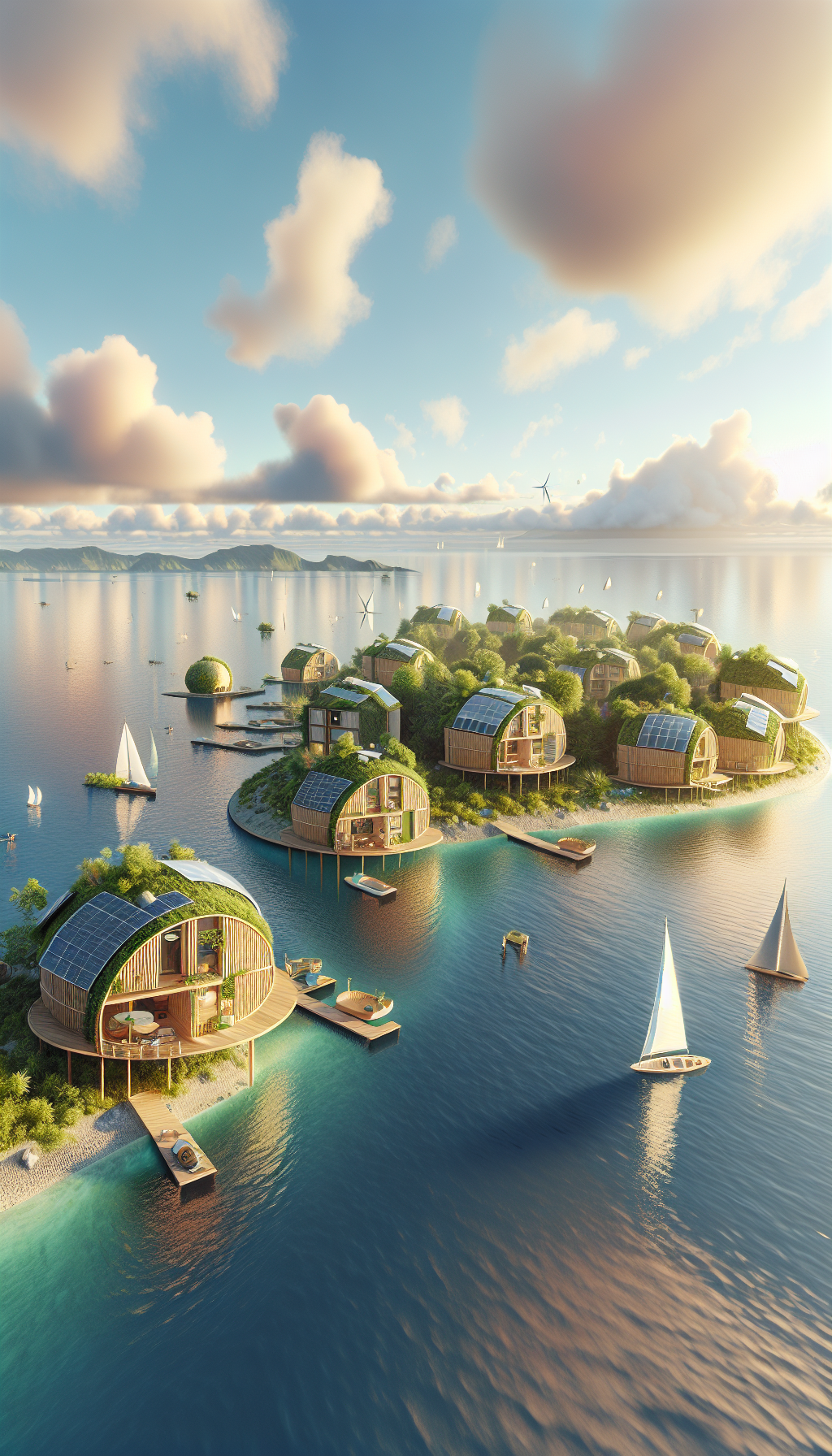

Eco-Friendly Island Homes: A Blueprint for Sustainable Living
The Rise of Eco-Friendly Island Homes
In recent years, there has been a marked shift towards sustainability, especially within the realm of home design. Eco-friendly island homes have emerged as a tangible solution that marries stunning aesthetics with environmentally responsible living. These homes not only provide a sanctuary but also promote a responsible lifestyle that aligns with nature.
Benefits of Eco-Friendly Island Homes
-
Minimal Carbon Footprint: One of the primary benefits of eco-friendly island homes is the reduction in their carbon footprint. By utilizing renewable energy sources, these homes dramatically diminish their reliance on fossil fuels.
-
Sustainable Materials: Eco-friendly homes often use sustainable materials like bamboo, reclaimed wood, and recycled steel. These materials not only help in conserving natural resources but also present unique design elements that enhance the home’s aesthetic appeal.
-
Natural Cooling and Heating: With proper architectural design, these homes can be equipped with natural cooling systems, reducing reliance on air conditioning. Features like cross-ventilation, strategically placed windows, and thermal mass help maintain comfortable indoor temperatures.
Key Design Elements
-
Orientation and Layout: The orientation of the home plays a crucial role in maximizing natural light and airflow. Homes designed with large north-facing windows allow for optimal sunlight while minimizing heat loss during winter months.
-
Green Roofs: An increasingly popular feature, green roofs help with insulation, reduce stormwater runoff, and promote biodiversity. They also provide aesthetic benefits, turning roofs into lush gardens that integrate seamlessly with the surrounding landscape.
-
Rainwater Harvesting Systems: Efficient water management systems are essential in eco-friendly homes. Utilizing rainwater harvesting systems allows homeowners to collect and reuse rainwater for irrigation and non-potable uses, significantly conserving freshwater resources.
Renewable Energy Solutions
-
Solar Panels: Solar energy is a cornerstone for eco-friendly island homes. Installing solar panels enables homeowners to harness the sun’s energy, drastically reducing electricity bills and reliance on non-renewable energy sources.
-
Wind Turbines: For islands with consistent wind patterns, small-scale wind turbines can supplement power needs, providing a dual energy source that enhances sustainability.
-
Geothermal Heating: For heating solutions, geothermal systems work by utilizing the earth’s stable underground temperature. This technology provides an efficient and environmentally friendly heating option.
Waste Management Strategies
-
Composting: Eco-friendly homes often incorporate composting systems, allowing organic waste to decompose naturally. This not only reduces landfill waste but also enriches soil for gardens, completing a sustainable cycle.
-
Recycling Stations: Establishing designated recycling areas ensures that waste is sorted effectively. Homeowners can engage their families in sustainable practices from a young age, promoting a culture of awareness and responsibility.
-
Biodegradable Products: Eco-friendly island homes aim to minimize waste by using biodegradable products. From cleaning supplies to personal care items, these alternatives break down naturally, lowering the home’s environmental impact.
Water Conservation Techniques
-
Low-Flow Fixtures: Installing low-flow faucets, showers, and toilets can drastically reduce water consumption. These fixtures maintain performance while conserving significant amounts of water.
-
Native Landscaping: Designing the landscape with native plants requires less water and maintenance. Native flora is adapted to the local climate, thriving with minimal irrigation and supporting local ecosystems.
-
Drip Irrigation Systems: Utilizing drip irrigation ensures efficient water usage in gardens. This method delivers moisture directly to the plant roots, reducing evaporation and runoff.
Creating a Community of Sustainable Living
-
Eco-Villages: Several island developments have embraced the eco-village concept, encouraging communities to adopt sustainable practices collectively. Shared resources such as gardens and renewable energy sources foster a spirit of cooperation.
-
Education Programs: Hosting workshops and informative sessions about sustainable living helps promote awareness within the community. Residents sharing their practices encourages further adoption of eco-friendly solutions.
-
Local Sourcing: Emphasizing local sourcing for materials and food strengthens community bonds and reduces transportation emissions. Supporting local businesses not only cultivates economy but also promotes a sustainable lifestyle.
Challenges and Considerations
-
Cost: The initial investment for eco-friendly materials and technologies can be high. However, the long-term savings on utility bills and maintenance can offset these costs.
-
Regulatory Hurdles: Navigating zoning laws and construction regulations can present challenges. It’s essential for homeowners to work closely with local authorities to ensure compliance with eco-friendly practices.
-
Climate Adaptation: Coastal areas, particularly islands, face unique climate challenges such as rising sea levels and increased storm intensity. Designing homes that can withstand extreme weather is essential for long-term sustainability.
Future Trends in Eco-Friendly Island Homes
-
Smart Technology: Incorporating smart home technology enhances energy efficiency. Systems that monitor energy consumption can help homeowners track and reduce their utility usage.
-
Modular Homes: Sustainable modular homes provide flexibility, reducing waste during construction and allowing for ease of expansion or relocation in the future.
-
Biophilic Design: Emphasizing connection to nature within home design promotes well-being. Large windows, indoor gardens, and natural materials create a calming, restorative living environment.
Conclusion
Eco-friendly island homes exemplify a harmonious blend of sustainability and beauty. By committing to environmentally responsible practices, homeowners can create living spaces that respect nature while offering comfort and style. As more individuals adopt sustainable lifestyles, the blueprint for eco-friendly island homes will continually evolve, proving that luxury and ecological responsibility can go hand in hand.
