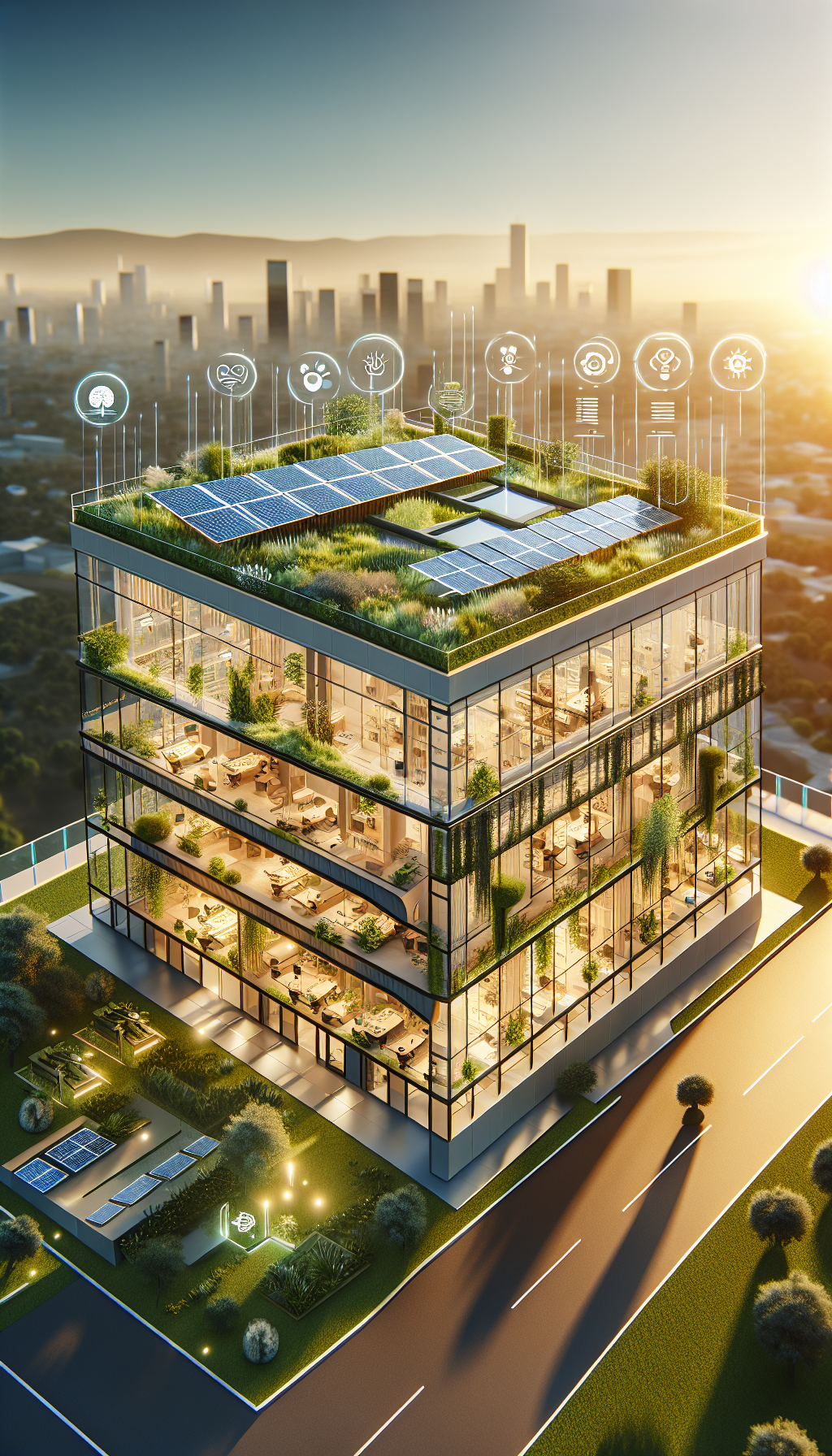

Understanding Office Space Sustainability
In recent years, the focus on sustainability in office spaces has gained remarkable momentum. As businesses grapple with climate change and environmental responsibility, green building practices have emerged as a vital strategy for sustainable development. This article explores office space sustainability through green building practices, examining its benefits, strategies, and the emerging trends reshaping the workplace.
The Importance of Office Space Sustainability
Office space sustainability entails designing and operating buildings in a way that minimizes environmental impact while promoting human health and productivity. The World Green Building Council emphasizes that sustainable buildings can significantly reduce energy and water consumption and minimize waste, leading to a healthier environment and improved operational efficiency.
Benefits of green office buildings
The transition to sustainable office spaces offers numerous benefits:
-
Reduced Operational Costs: Sustainable practices can lead to significant savings on utility bills. Energy-efficient systems, such as LED lighting and high-performance HVAC systems, reduce energy consumption, while water-saving fixtures lower water expenses.
-
Enhanced Employee Well-being: Green buildings often prioritize natural lighting, improved air quality, and the use of non-toxic materials, promoting employee health and productivity. A healthier workspace can lead to reduced absenteeism and higher job satisfaction.
-
Enhanced Marketability: Companies that adopt green practices can improve their brand image and attract eco-conscious clients and talent. Studies show that consumers are more likely to engage with businesses that demonstrate environmental responsibility.
-
Regulatory Compliance and Incentives: Many governments offer financial incentives, such as tax breaks or grants, for businesses that invest in sustainable practices. Complying with increasingly stringent building regulations can avoid potential fines and ensure long-term viability.
Strategies for Achieving Office Space Sustainability
To harness the advantages of sustainable office spaces, businesses can implement several green building practices:
-
Energy Efficiency: Install energy-efficient appliances and systems. For example, using ENERGY STAR-rated equipment can significantly reduce energy consumption. Incorporation of automation and smart technology can optimize energy use in real time.
-
Sustainable Materials: Utilize recycled, reclaimed, or sustainably sourced materials in construction and office furnishings. Materials like bamboo, reclaimed wood, and low-VOC paints contribute to lower environmental impact.
-
Water Conservation: Implement water-efficient systems, such as dual-flush toilets and rainwater harvesting systems, to minimize water usage. Landscaping with native plants can reduce irrigation needs.
-
Improved Indoor Air Quality: Use ventilation systems that ensure optimal air quality in the workspace by filtering out pollutants and providing adequate airflow. Non-toxic materials and proper maintenance further mitigate indoor air contaminants.
-
Waste Management: Establish comprehensive recycling and composting efforts. Creating designated stations for recycling paper, plastics, and organic waste encourages employee participation and reduces landfill contributions.
-
Green Certifications: Seek certification from recognized bodies, such as LEED (Leadership in Energy and Environmental Design), BREEAM (Building Research Establishment Environmental Assessment Method), and ENERGY STAR. These credentials provide credible benchmarks for sustainability performance.
Technological Innovations in Office Sustainability
Technological advancements are playing a critical role in enhancing office sustainability:
-
Smart Building Technology: IoT enables the integration of smart sensors that provide real-time data on energy consumption and occupancy levels. This technology allows businesses to adjust operations dynamically, optimizing energy usage.
-
Renewable Energy: The incorporation of on-site renewable energy sources, such as solar panels or wind turbines, can help achieve net-zero energy consumption. Renewable energy purchasing agreements (PPAs) offer a way for businesses to invest in green energy without significant upfront costs.
-
Building Management Systems (BMS): These advanced systems help oversee various building systems, manage energy, lighting, and HVAC controls efficiently, leading to optimized energy use and lower operational costs.
-
Telecommuting and Flexible Workspaces: Trends like hot-desking reduce the need for extensive office space, translating into lower energy consumption and resources used. Effective remote work policies contribute to reduced carbon footprints associated with commuting.
Case Studies of Successful Green Office Spaces
Several businesses have successfully implemented sustainable practices in their office spaces:
-
The Edge, Amsterdam: This state-of-the-art office building is known for its energy efficiency and innovative design features. The Edge utilizes solar power, has a green roof, and employs advanced lighting technologies that adjust based on occupancy levels.
-
Microsoft’s Redmond Campus: Microsoft has committed to sustainability with numerous initiatives, including LEED Platinum-certified buildings. The use of renewable energy, efficient water management, and electric vehicle charging stations are key elements of their green strategy.
-
Apple Park, Cupertino: Apple’s headquarters is designed with sustainability in mind. It features a natural ventilation system, extensive landscaping with drought-resistant plants, and is powered entirely by renewable energy sources.
-
Green Building Council’s Green Star Rating: In Australia, the Green Building Council endorses projects based on their environmental impact. Numerous Australian firms have achieved a Green Star rating by focusing on energy efficiency, water conservation, and sustainable materials use.
Future Trends in Office Space Sustainability
As awareness grows, several trends are likely to shape the future of office space sustainability:
-
Enhanced Employee Engagement: Companies will focus on engaging employees in sustainability initiatives, emphasizing participation in recycling programs, energy-saving efforts, and promoting healthy practices.
-
Resilient Design: As climate change intensifies, buildings designed to endure natural disasters (i.e., floods, hurricanes) will become essential. Sustainable building practices that consider resilience will be prioritized.
-
Holistic Health Approaches: Expect a shift towards wellness-oriented design, with buildings tailored to promote physical and mental well-being. This will include aspects such as fitness centers, outdoor spaces, and biophilic design to enhance productivity.
-
Circular Economy Principles: Companies will increasingly adopt circular economy approaches, focusing on waste reduction and materials lifecycle. Strategies will include reusing materials, remanufacturing, and utilizing upcycled products in office design.
-
Regenerative Design: This forward-looking approach goes beyond sustainability by aiming to replenish environmental resources and enhance surrounding ecosystems. Future office designs may incorporate strategies that enhance biodiversity, improve soil health, and contribute positively to local communities.
In summary, the landscape of office space sustainability is transforming remarkably through green building practices. As businesses continue to implement innovative strategies, the focus will remain on creating workplaces that not only comply with environmental standards but also foster healthy, efficient, and productive environments for their occupants.
