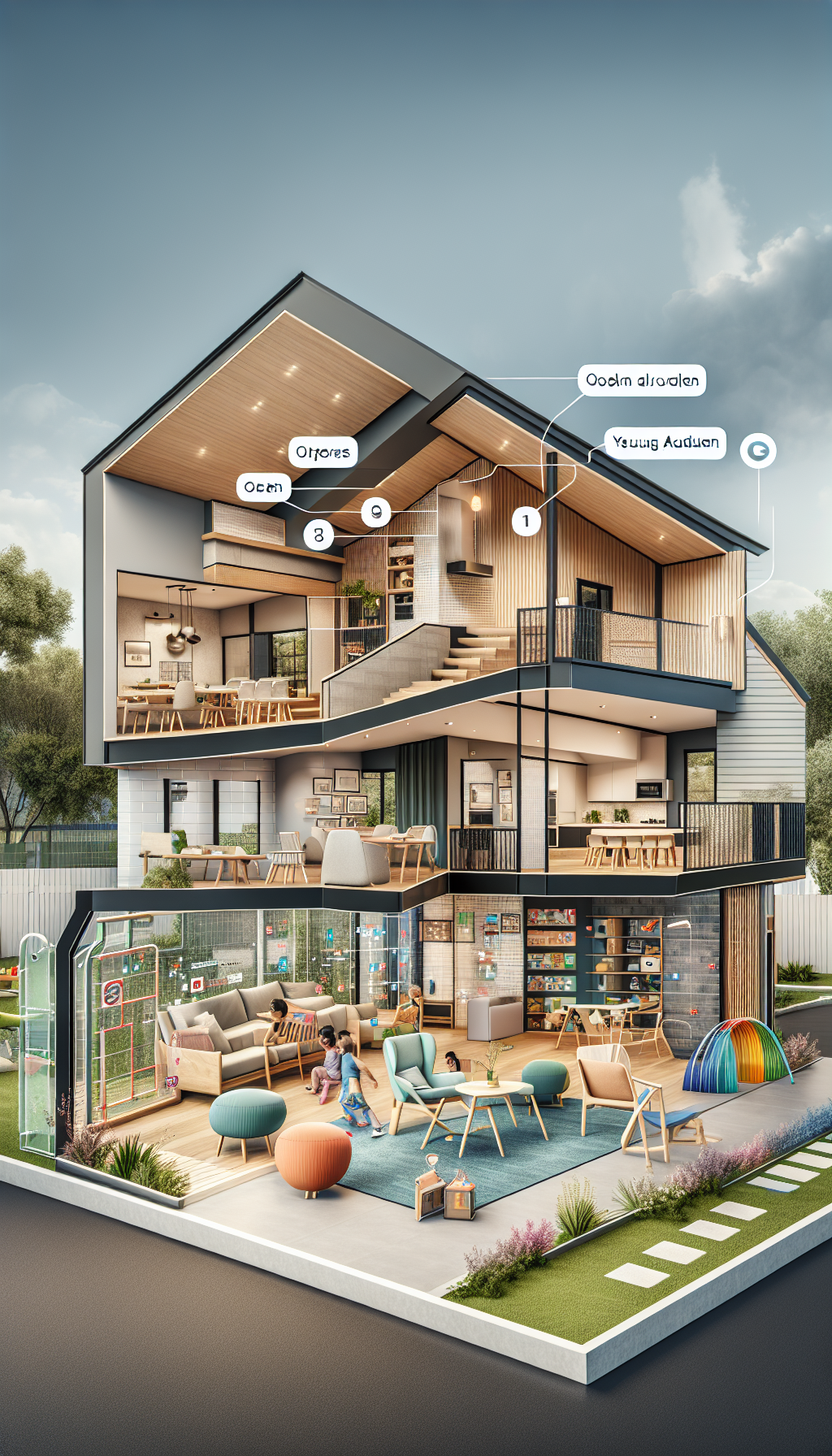

Emerging Housing Trends: Multi-Generational Living Spaces Gain Popularity
Understanding Multi-Generational Living
Multi-generational living refers to households that include members from multiple generations under one roof. Traditionally, this includes grandparents, parents, children, and sometimes even great-grandchildren. The trend is gaining remarkable traction in the housing market, driven by various sociocultural and economic forces.
Factors Driving Multi-Generational Living
-
Economic Considerations: Rising housing costs make it challenging for families, particularly younger generations, to afford homes independently. Sharing a living space offers financial relief through combined incomes, thereby distributing expenses such as mortgage payments, utilities, and property taxes more evenly.
-
Family Dynamics: Changes in family dynamics—including divorce, single parenthood, and the desire for child care—encourage shared living arrangements. Families are increasingly recognizing the benefits of having extended family members present to assist in daily activities.
-
Aging Population: With life expectancy increasing, many older adults prefer to live closer to family rather than in nursing homes or assisted living facilities. This need is often coupled with a desire for independence; hence, they opt for living arrangements that provide support while maintaining personal space.
-
Cultural Influences: In many cultures, multi-generational living has been the norm for decades. As cultural boundaries blur, more families are adopting this practice, resulting in a blend of traditional and contemporary living scenarios.
Key Features of Multi-Generational Homes
-
Separate Living Quarters: Effective multi-generational homes often incorporate distinct living spaces for family members, typically containing bedrooms, bathrooms, and kitchen areas. This design promotes privacy and autonomy while allowing communal interactions.
-
Open Floor Plans: While separate quarters are essential, many families enjoy open floor plans for shared spaces like living and dining areas. This design fosters connection and bonding among family members.
-
Accessibility Features: Homes designed for older adults often include features such as wider doorways, grab bars, and ramp access. These modifications not only serve the aging population but also ensure safety for children, creating an inclusive environment.
-
Sustainable Design: Growing environmental awareness has led to the incorporation of energy-efficient appliances, sustainable building materials, and passive solar design. These features not only reduce utility bills but also align with the values of environmentally-conscious families.
Benefits of Multi-Generational Living
-
Cost Savings: Sharing expenses among family members cuts down the costs associated with homeownership. This budget-friendly living arrangement can significantly ease financial pressure.
-
Emotional Support: Having close family members around contributes to emotional well-being. Multi-generational households provide a built-in support system for both the young and elderly, reducing feelings of isolation.
-
Shared Responsibilities: Dividing household chores and responsibilities can lighten individual burdens. Children benefit from learning responsibility from their grandparents, while adults can share caregiving duties.
-
Bonding Opportunities: Living under the same roof encourages family interaction. This can strengthen the family unit and enable knowledge transfer between generations, promoting shared values and traditions.
Challenges of Multi-Generational Living
-
Space Constraints: Not all homes are designed to accommodate multiple generations comfortably. Families must consider factors such as space availability and privacy when moving to a multi-generational living situation.
-
Interpersonal Dynamics: Different lifestyles and habits can lead to conflicts among family members. It is essential to establish boundaries and open lines of communication to address potential tensions early on.
-
Home Modifications: Adapting an existing home for multi-generational living can involve significant upfront costs. Homeowners may need to invest in renovations that could be a financial burden.
-
Zoning Regulations: Combining living spaces may require navigating local zoning laws, potentially making property renovations challenging. Understanding these regulations is crucial for families considering multi-generational living.
Real Estate Trends Supporting Multi-Generational Homes
-
Increased Demand for Adaptable Housing: Builders and developers are responding to the growing demand for homes that accommodate multiple generations. This includes designing new properties with additional suites or mother-in-law apartments.
-
Accessory Dwelling Units (ADUs): Homeowners are increasingly investing in ADUs—small, separate units on their property—making it an attractive option for accommodating aging parents or adult children. These units offer independence while keeping family members close.
-
Innovative Community Developments: Some developers focus on multi-generational community projects that incorporate shared facilities, such as recreational centers or gardens. These collaborative spaces foster community bonds while offering a supportive living environment.
-
Smart Home Technology: The integration of smart home technology is revolutionizing multi-generational living. Systems that control security, energy, and healthcare monitoring can provide added safety and convenience for all family members.
Geographic Preferences for Multi-Generational Living
-
Urban Areas: Cities with high living costs often see a substantial demand for multi-generational homes. Families are pooling resources to afford properties in desirable neighborhoods with access to amenities and employment opportunities.
-
Suburban Developments: Suburban areas provide more space, making them ideal for multi-generational households. Developers are creating communities tailored to families seeking larger homes for their evolving needs.
-
Rural Locations: Families looking for tranquility and space are increasingly moving to rural or semi-rural areas. These locations typically offer larger plots of land at a lower cost, making them appealing for establishing multi-generational living spaces.
Conclusion of Insights
The surge in multi-generational living spaces signals a shift in how families view housing. Emphasizing connection, support, and flexibility, this trend reflects broader socio-economic changes and cultural influences. Homebuilders, real estate agents, and families looking to adapt to these changes are well-positioned to benefit from embracing the principles of multi-generational living. As the trend continues to evolve, it will likely shape the future landscape of housing, redefining how families interact and thrive together.
