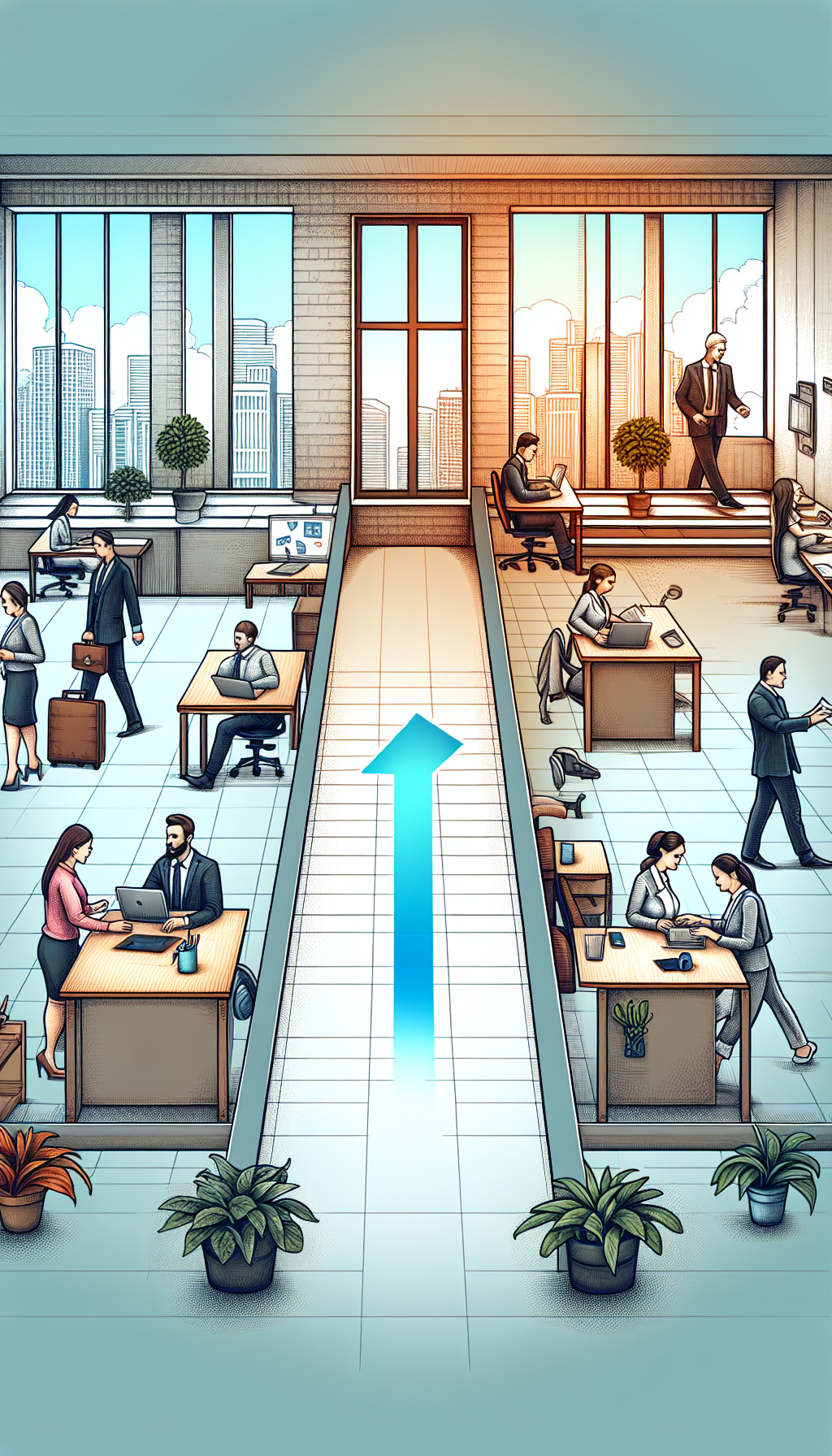

Evaluating the Shift Towards Hybrid Work and Its Impact on Office Demand
Understanding Hybrid Work Models
The evolution of the workplace, notably accelerated by the COVID-19 pandemic, has led many organizations to adopt hybrid work models. These models typically combine remote and in-office work, providing employees with the flexibility to choose their work environment. As organizations navigate this shift, understanding how this hybrid approach impacts office demand becomes crucial for real estate stakeholders and businesses alike.
Benefits of Hybrid Work
The hybrid work model offers a range of advantages for employees and employers. Firstly, employees benefit from improved work-life balance. According to a survey conducted byPwC, 78% of workers prefer flexible working arrangements, which can lead to increased job satisfaction and productivity. Employers, in turn, can enjoy reduced overhead costs associated with maintaining large office spaces. This flexibility not only attracts top talent but also retains existing staff who may otherwise seek employment opportunities with more accommodating policies.
Changing Office Space Requirements
With the rise of remote work, businesses are re-evaluating their space needs. Traditional office setups designed for full occupancy are becoming less relevant. Many organizations are opting for smaller, more versatile spaces that facilitate collaboration and innovation when employees are on-site.
- Flexibility and Adaptability: As remote work becomes more ingrained in company culture, flexible office layouts that accommodate various work styles become essential. Private offices for focused work may coexist with open spaces designed for teamwork and brainstorming sessions.
- Shared Amenities: As highlighted in JLL’s 2022 report on office space trends, many companies are opting for shared amenities like meeting rooms and collaborative zones to minimize space wastage, making it beneficial for businesses committed to a hybrid model.
The Role of Technology
Technology plays a pivotal role in the functionality of hybrid work. Tools that facilitate seamless communication and collaboration are at the forefront of this shift. Companies are investing in advanced video conferencing systems, project management software, and cloud-based solutions that enable employees to work from anywhere efficiently.
- Digital Tools and Integration: Organizations are implementing integrated platforms that bridge the gap between in-office and remote employees. Your company’s intranet, for example, must be intuitive and engaging enough to maintain employee morale, irrespective of location.
- Data Security: As remote work becomes a norm, ensuring data security has never been more critical. Implementing robust cybersecurity measures to protect sensitive information when working remotely is crucial.
Economic Implications of Hybrid Work
The transition to hybrid work directly influences office demand, which in turn affects commercial real estate markets. According to a report by CBRE, there’s been a notable decline in the demand for traditional office spaces, generating a shift in the commercial real estate landscape.
- Urban vs. Suburban Real Estate: Initially, city centers faced increased vacancies as companies downsized to accommodate flexible work policies. However, a new trend emerged with workers seeking suburban office spaces due to lower costs and better access to housing. This democratization of work locations alters the equilibrium of demand in the real estate marketplace.
- Rental Prices: As companies reconsider their office footprints, this leads to fluctuations in rental prices. Properties in prime locations may experience declining interest, while those that offer flexibility and adaptable layouts see increased demand.
Challenges of Implementing Hybrid Work
Despite its advantages, hybrid work presents challenges. Maintaining a cohesive company culture is one of the primary concerns faced by organizations. When employees frequently alternate between remote and in-office work, developing a unified sense of belonging may become complicated.
- Effective Communication: Adopting new communication strategies is needed to ensure that all employees feel included, regardless of their work environment. Regular check-ins and team-building activities can strengthen interpersonal bonds among remote and in-office employees.
- Management Training: Managers must be equipped with the tools to oversee hybrid teams effectively. Training focused on remote team management ensures that performance evaluation remains fair and consistent, enhancing employee engagement.
Sustainability Considerations
The shift to hybrid work also opens up discussions around sustainability. With fewer employees commuting daily, hybrid work models can contribute to reduced carbon footprints. This aspect can play a significant role in the corporate social responsibility initiatives that many organizations are prioritizing.
- Greener Office Spaces: Companies re-evaluating their office spaces have an opportunity to design sustainable work environments. Features such as energy-efficient lighting, improved ventilation, and eco-friendly materials can appeal to both employees and clients.
- Reduced Commutes: With hybrid work reducing daily commutes, companies contribute to lower traffic congestion and reduced greenhouse gas emissions, aligning with global sustainability efforts.
The Future of Office Spaces
As hybrid models become a fixture in corporate workplaces, the future of office spaces remains focused on customization and adaptability. The desirability of branded environments, demonstrating a company’s ethos while prioritizing employee health and wellness, weighs heavily in strategic discussions about space utilization.
- Health and Wellness: With the pandemic reshaping employee expectations around workplace safety, organizations must prioritize health measures, like improved air filtration systems, to promote a secure environment.
- Community Building: Building intentional community spaces promotes collaboration and connection, making employees more likely to choose in-office attendance when they feel engaged and involved in a vibrant workplace culture.
Conclusion of Trends
As businesses navigate this unprecedented shift towards hybrid work, the impact on office demand continues to unfold. Companies must embrace change, adapting to the new realities of work while balancing employee preferences and organizational needs. The interplay between remote flexibility and traditional office culture will likely remain an area of significant evolution, reshaping the commercial real estate landscape for years to come.
