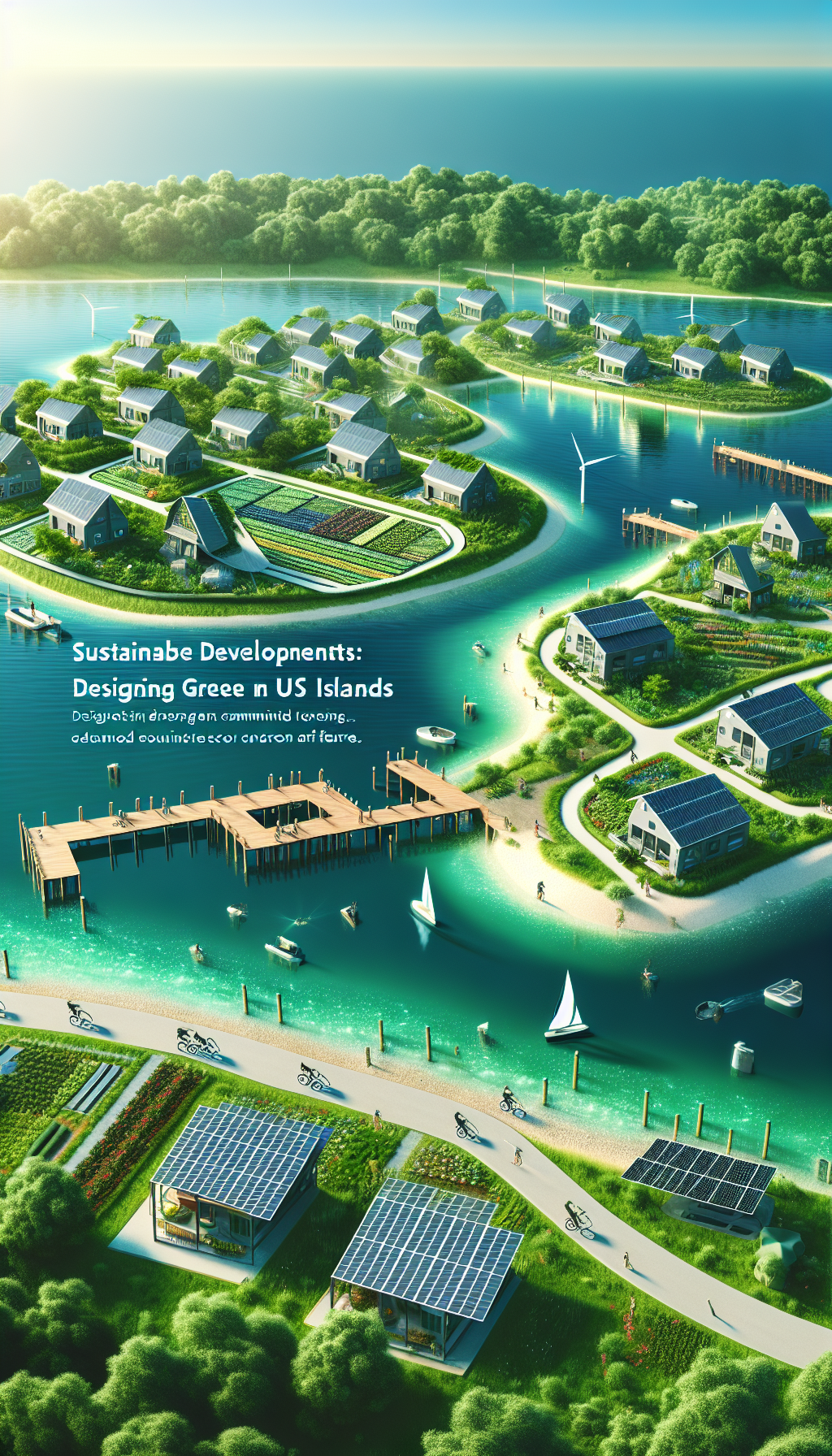

Understanding Sustainable Development in Island Communities
Sustainable development on U.S. islands is crucial for creating thriving, resilient, and eco-friendly communities. These islands face unique challenges such as limited resources, environmental degradation, and vulnerability to climate change. The approach of designing green communities incorporates innovative strategies that blend environmental, social, and economic approaches, aiming to leave a minimal ecological footprint while enhancing community well-being.
Key Principles of Sustainable Design
-
Resource Efficiency: Focusing on the optimal use of resources is fundamental. Renewable energy sources, like solar panels and wind turbines, can significantly reduce dependency on fossil fuels. Implementing energy-efficient appliances and smart systems ensures less energy consumption, promoting sustainable living.
-
Ecosystem Preservation: Protecting natural ecosystems is essential for maintaining biodiversity and providing ecosystem services. Green community designs often include protected areas, wildlife corridors, and measures to restore native flora and fauna, thereby fostering a balanced relationship between humans and nature.
-
Sustainable Water Management: Water scarcity is a critical issue for many islands. Incorporating rainwater harvesting systems, greywater recycling, and permeable surfaces can help mitigate water shortages. Such practices not only conserve water but also reduce runoff and pollution.
-
Sustainable Transportation: Expanding public transportation options, creating bike paths, and promoting electric vehicle infrastructure minimizes carbon emissions and requires less land than traditional roads, thereby preserving natural landscapes.
Innovative Community Design Approaches
-
Mixed-Use Development: Designing communities with mixed-use spaces fosters social interaction and reduces the need for long commutes. Housing, retail, and recreational spaces integrated within walkable neighborhoods encourage a vibrant community life, decrease vehicle dependency, and promote health through active living.
-
Green Buildings: Incorporating sustainable architecture principles, such as the use of eco-friendly materials, natural lighting, and ventilation, helps lower energy consumption. Implementing green roofs and walls improves insulation and supports local biodiversity by providing habitats for various species.
-
Community Gardens and Urban Agriculture: Establishing community gardens encourages local food production, reduces food miles, and strengthens community ties. This not only lowers grocery bills but also enhances food security, which is essential on islands where transportation costs can inflate prices.
Climate Resilience Strategies
-
Flood-Resistant Infrastructure: Given the rising sea levels, designing infrastructure that can withstand flooding is paramount. This includes elevating buildings, creating buffer zones with vegetation, and using materials that resist water damage.
-
Landscape Restoration: Restoring coastal ecosystems, such as mangroves and wetlands, offers natural barriers against storm surges while enhancing carbon sequestration. These ecosystems act as natural buffers and can absorb excess rainwater, mitigating flooding risks.
-
Education and Community Engagement: Promoting sustainability education fosters a culture of environmental stewardship. Involving the community in decision-making processes ensures that developments meet local needs and empowers residents to adopt sustainable practices.
Examples of Successful Green Community Projects
-
Bainbridge Island, Washington: Known for its community involvement and sustainable initiatives, Bainbridge Island has implemented various projects such as bio-based construction standards, energy-saving retrofits in homes, and the creation of pocket parks to enhance green space.
-
Sanibel Island, Florida: Sanibel’s commitment to preserving its unique ecosystem led to extensive bike paths, the use of renewable energy, and strict building codes to protect wildlife habitats. The island also emphasizes public education regarding environmental conservation.
-
Maui, Hawaii: Maui has embraced sustainability through its “Ahupua‘a” system, which integrates land-use practices that balance ecological and community needs. Renewable energy from wind and solar sources and a strong local food movement showcase its efforts towards sustainable living.
Policy Frameworks Supporting Sustainable Development
-
Zoning Laws: Implementing flexible zoning laws allows for innovative land-use practices while preventing urban sprawl. Mixed-use zoning can create pedestrian-friendly areas that prioritize community engagement over car dependency.
-
Incentives for Sustainable Practices: Financial incentives for renewable energy installations, energy-efficient building, and conservation programs encourage residents and businesses to opt for greener solutions. For instance, tax credits and grants can significantly reduce the financial burden of transitioning to sustainable practices.
-
Climate Action Plans: Many island communities are developing specific climate action plans that outline targeted strategies for emissions reductions, sustainable resource management, and community resilience against climate impacts.
Challenges Facing U.S. Islands in Sustainable Development
-
Limited Resources: Islands often have limited land, water, and energy resources, which can hinder large-scale sustainable projects. Collaboration with governmental and non-governmental organizations can facilitate resource-sharing and support sustainability initiatives.
-
Economic Dependency: Tourism is a significant economic driver for many islands; balancing economic growth with environmental sustainability presents its challenges. Diversifying the economy through eco-tourism and sustainable practices can create jobs while preserving the natural beauty of these regions.
-
Cultural Sensitivity: Engaging with local communities is vital for successful implementation of sustainable practices. Approaches must be culturally sensitive, respecting traditions while promoting innovative practices that benefit the entire community.
The Role of Technology in Sustainable Development
-
Smart Technologies: Implementing smart-grid systems enables better energy management, allows for real-time monitoring of energy use, and optimizes resource distribution. Smart technologies enhance efficiency and empower residents to partake in sustainable practices actively.
-
Sustainable Apps: Mobile applications focused on sustainability can help individuals track their carbon footprints, connect with local initiatives, and learn about sustainable practices. This aids in building a conscientious community dedicated to making a positive impact.
-
Data-Driven Decision Making: Collecting and analyzing data on energy use, waste management, and transportation efficiency allows communities to identify areas for improvement and track the effectiveness of sustainability initiatives.
Implementing comprehensive, well-researched strategies for sustainable development on U.S. islands can lead to resilient, vibrant communities. By focusing on green infrastructure, resource efficiency, and community engagement, these regions can embrace a sustainable future that harmonizes ecological preservation with economic vitality. Such initiatives play a pivotal role in mitigating climate change effects, ensuring the longevity and health of both communities and their surrounding environments.
