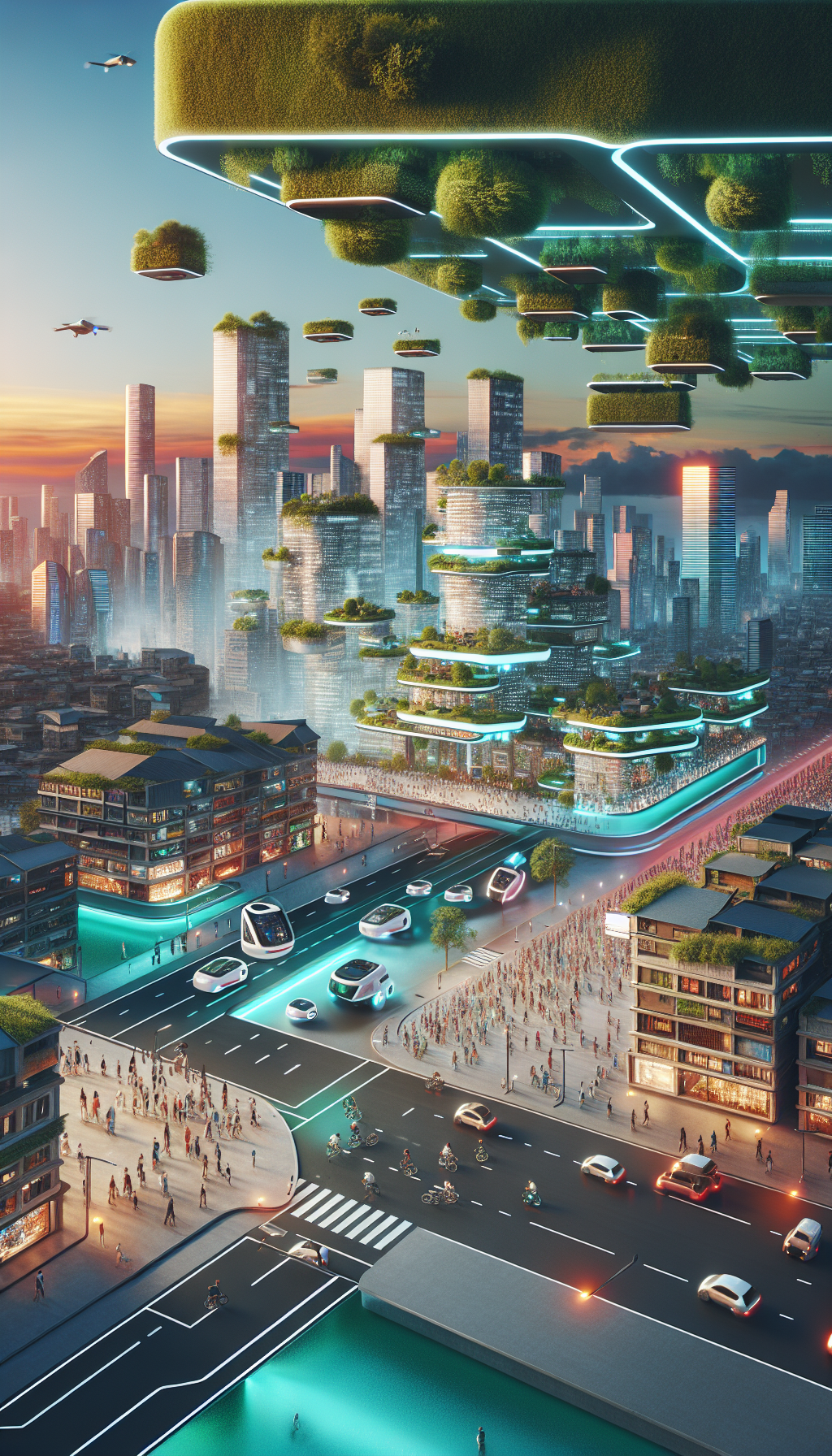

The Future of Urban Living: Trends Reshaping City Real Estate
1. Smart Cities: The Rise of Technology in Urban Living
Smart city infrastructure is at the forefront of reshaping urban living. Integrating Internet of Things (IoT) technologies enhances efficiency and sustainability. Real-time data collection in transport, energy, and public safety can result in optimized city services. Cities like San Francisco and Barcelona are already deploying smart lighting, waste management systems, and energy-efficient buildings, making urban environments more livable and sustainable.
2. Sustainability and Green Spaces
The move toward sustainability is more than a trend; it’s a necessity. Urban planners increasingly focus on incorporating green spaces into city designs. Parks, rooftop gardens, and urban forests improve air quality, reduce urban heat, and foster biodiversity. These green areas enhance property values, as homebuyers prioritize access to parks and recreational areas. Cities that effectively integrate nature into urban planning, like Singapore, are seen as models for future developments.
3. Mixed-use Developments
The rise of mixed-use developments promotes a blend of residential, commercial, and recreational spaces. This trend supports the idea of “15-minute cities,” where residents can meet most of their needs, including work, shopping, and leisure, within a short walk or bike ride from home. Reducing reliance on cars cuts down on traffic congestion and pollution, while fostering community connections. Cities embracing this model include Paris and Melbourne.
4. Affordable Housing Initiatives
As urban populations grow, the demand for affordable housing becomes critical. Various innovative models are emerging, such as co-living spaces and tiny homes. These alternatives provide options for young professionals, students, and low-income families. Governments and private developers are partnering to create affordable housing without sacrificing quality or sustainability, aiming to prevent urban sprawl and promote inclusivity.
5. Remote Work and Its Impact on Urban Real Estate
The COVID-19 pandemic accelerated remote work, leading to shifts in real estate trends. Many workers have realized they can live farther from work, sparking interest in suburban and rural areas. This shift is reshaping urban real estate demand. Developers must adapt by crafting flexible spaces that accommodate remote work, such as home offices or communal workspaces, enhancing urban living experiences.
6. Gentrification and Mixed-income Communities
Gentrification is a double-edged sword; while it revitalizes neighborhoods, it can displace long-term residents. A shift toward creating mixed-income communities aims to balance development with affordability. Successful cases demonstrate that mixed-income housing fosters diversity and mitigates social conflict around housing. Cities like New York and Seattle are implementing policies to integrate affordable units within luxury developments.
7. Infrastructure Innovation: Transportation and Connectivity
Innovative transportation solutions are critical to urban livability. With increasing congestion in cities, novel public transit systems, bike-sharing, and electric scooters are gaining traction. Furthermore, autonomous vehicles are on the horizon, promising to reduce traffic and parking demands. Cities investing in efficient, integrated transportation networks, like Amsterdam, are setting a precedent for future urban layouts, supporting ease of transit while emphasizing sustainability.
8. Health and Wellness in Urban Design
Health considerations are increasingly influencing urban design. The COVID-19 pandemic catalyzed a resurgence of interest in public health and outdoor spaces. Features such as improved air quality, pedestrian-friendly pathways, and access to healthcare facilities are integral to new developments. Biophilic design principles are gaining popularity, with buildings incorporating natural elements that promote well-being, thus reshaping residents’ experiences.
9. The Role of Local Governments and Politicization
Local governments play a crucial role in shaping real estate trends through zoning laws and regulations. Increased activism around housing rights and sustainability is pressuring local governments to rethink how they develop urban areas. Successful collaborations between citizens and policymakers in cities like Berlin are examples of how participation can shape better housing policies. Engaging community voices is vital for balanced urban growth.
10. Climate Resilience and Disaster Preparedness
As climate change poses substantial risks to cities, incorporating resilience into urban planning is crucial. This includes developing flood-resistant infrastructure and efficient water management systems. Cities like Miami are enhancing drainage systems and promoting urban forestry to combat heat and flooding. Investments in climate resilience not only protect property but also attract businesses and residents, driving economic growth.
11. The Future of Retail Spaces in Urban Areas
E-commerce has transformed retail, and urban centers must adapt. Traditional retail spaces are evolving into experiential hubs, where social interaction and unique experiences are prioritized. Incorporating local businesses and artisanal markets within urban environments fosters community engagement, shifts consumer behavior, and enhances the local economy. Cities embracing this trend create vibrant, economically sustainable environments.
12. Building Community: A Focus on Social Infrastructure
Social infrastructure, including schools, community centers, and healthcare facilities, plays a pivotal role in urban development. As cities densify, the emphasis on building community hubs becomes essential. These spaces foster social ties and promote public health. Community-led initiatives that incorporate local input are critical to ensuring these developments effectively meet residents’ needs.
13. Aging Population and Adaptive Housing
As the global population ages, urban areas must accommodate this demographic shift. Adaptive housing solutions that support aging in place are crucial. Developers are increasingly designing units tailored to older residents, emphasizing accessibility and safety, which is vital for maintaining independence. Cities like Tokyo are implementing universal design principles that cater to residents of all ages and abilities.
14. Youth Culture and Urban Spaces
Engaging younger generations is vital for vibrant urban environments. Cities are reshaping public spaces to accommodate youth culture, including skate parks, art installations, and entertainment venues. By fostering creativity and expression in urban settings, cities can attract a younger demographic which contributes significantly to economic development. Urban areas that embrace youth culture are likely to thrive in the future.
15. Data-Driven Urban Planning
The integration of big data in urban planning is transforming how cities function. Planners now utilize data analytics to understand traffic patterns, housing trends, and demographics, ensuring decisions are informed and targeted. Cities like Rotterdam leverage advanced data systems to optimize urban services and anticipate residents’ needs, leading to more efficient, adaptive urban environments.
16. The Evolving Role of Real Estate Agents
The role of real estate agents is evolving in response to changing market dynamics. With increased transparency through digital platforms, agents are now more advisors than traditional salespeople. By analyzing market trends and consumer demands, agents can provide tailored solutions, enhancing their clients’ experiences and driving growth in a competitive real estate landscape.
17. Urban Farming: A New Frontier
Urban farming is gaining popularity as cities seek innovative solutions to food security and sustainability. Vertical farms, community gardens, and rooftop farms provide fresh produce, reduce transportation emissions, and engage local communities. Initiatives in cities like Chicago show how urban agriculture can reimagine vacant spaces and promote healthy living, further enhancing residential appeal.
18. Globalization and Urbanization
Globalization continues to shape cities, influencing architecture, demographic diversity, and real estate markets. International investments are driving urban growth, bringing both opportunities and challenges. Cities like London and Hong Kong attract global capital, reshaping local real estate markets and presenting opportunities for developers to create spaces that cater to a diverse, international audience.
19. Urban Resilience through Collaboration
Collaborative urban planning, where stakeholders from various sectors engage in the process, is emerging as a key strategy for future developments. Cross-disciplinary partnerships among governments, private developers, and local communities are essential for addressing complex urban challenges. Cities adopting collaborative approaches, such as Helsinki, can ensure equitable growth and sustainable solutions for future urban living.
20. The Role of Art and Culture in Urban Development
Art and culture significantly enhance urban environments by fostering community identity and attracting tourism. Cities are increasingly integrating art into public spaces, creating a sense of place and belonging. Development initiatives that prioritize cultural assets, like those seen in Philadelphia, contribute to vibrant Urban experiences while supporting local artists and communities.
21. Housing and Mobility Integration
Future urban living will require integrated housing and transportation policies. By designing neighborhoods where efficient public transit connects seamlessly with residential areas, cities can enhance accessibility and attractiveness. Comprehensive planning encourages walking and cycling, reducing vehicle dependency and promoting healthier lifestyles. Cities prioritizing mobility, such as Copenhagen, offer lessons for creating efficient urban systems.
22. Personalized Urban Experiences
The rise in technology facilitates personalized urban experiences. With the increasing use of mobile applications, residents can access tailored information about their neighborhoods, from local events to public services. This trend enhances engagement by enabling residents to curate their urban experiences based on lifestyles and preferences. Cities embracing technology-driven personalization are likely to drive community connection.
23. Cybersecurity in Smart Cities
As cities become more reliant on technology, the importance of cybersecurity is paramount. Ensuring the security of smart city infrastructures is crucial for maintaining residents’ trust and safety. Implementing robust cybersecurity measures within urban planning is essential, safeguarding public data and promoting a secure environment for innovation and development.
24. Modular and Prefabricated Housing
The emergence of modular and prefabricated housing is revolutionizing urban design, offering swift and efficient construction methods. These innovative building techniques enable developers to create customizable, cost-effective housing solutions, addressing urgent demands for affordable units. As urban centers grapple with population growth, modular solutions present scalable options for meeting housing needs.
25. The Convergence of Urban and Suburban Living
The lines between urban and suburban living are blurring, with many seeking the benefits of both lifestyles. Developers are responding by creating suburban developments that incorporate urban amenities while maintaining a tranquil atmosphere. This convergence offers innovative housing solutions appealing to diverse demographics, thus reshaping the character and appeal of metropolitan areas.
As urban living continues to evolve, these trends will influence how cities are designed, developed, and experienced, making urban areas more livable, connected, and sustainable for future generations. The interplay between technology, community needs, and environmental considerations will be pivotal in defining the future landscape of urban real estate.
