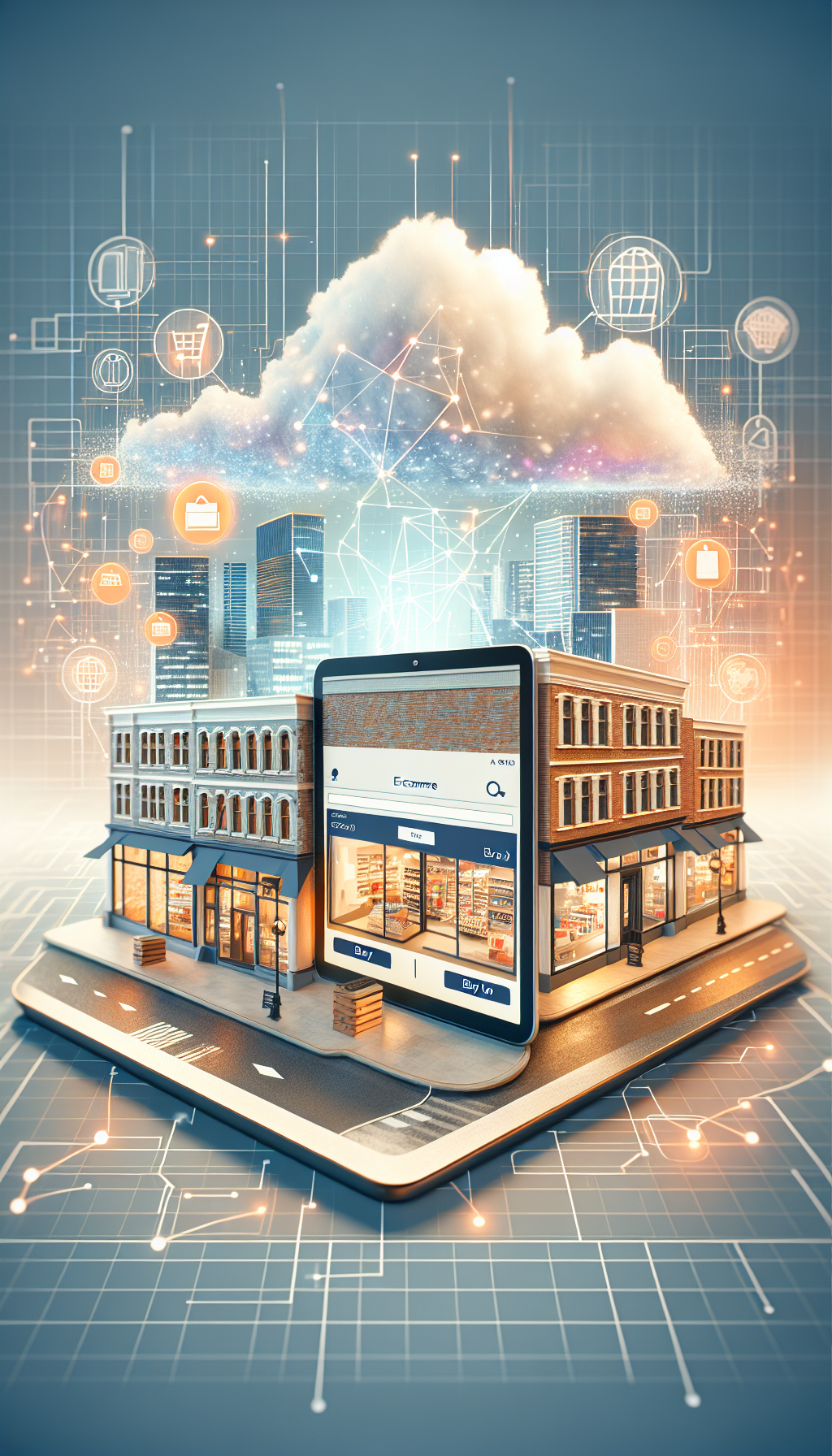

E-Commerce and Its Impact on Retail Real Estate Strategies
1. The Shift in Consumer Habits
The rise of e-commerce has fundamentally altered how consumers shop. Increased internet penetration and smartphone usage have made online shopping convenient, allowing consumers to browse and purchase from anywhere. This seismic shift in consumer habits has compelled retailers to rethink their real estate strategies.
1.1 Changing Preferences
Consumers now prefer a seamless omnichannel experience. Shoppers expect brands to offer both online and in-store interactions. This duality requires retailers to balance their physical presence with their online capabilities, leading to a re-evaluation of retail spaces.
1.2 Experiential Retail
As consumers lean toward online shopping for convenience, brick-and-mortar stores must evolve into experiential hubs. Retailers are investing in environments that foster unique experiences—interactive showrooms, pop-up shops, and immersive brand experiences are becoming essential to attract foot traffic.
2. The Rise of Fulfillment Centers
The growth of e-commerce has led to an increased demand for fulfillment centers. Retailers need to streamline their supply chain to compete effectively, making warehouse and distribution centers strategically essential.
2.1 Urban Fulfillment Centers
As same-day and next-day delivery become more common, retailers are increasingly establishing urban fulfillment centers close to populous areas. This reduces shipping times and costs, boosting customer satisfaction.
2.2 Last-Mile Delivery
The last mile remains the most challenging part of the delivery process. Retailers are focusing on logistics capabilities, often partnering with local couriers or investing in technology to manage this efficiently. This impacts real estate demand, shifting from traditional retail space to more logistics-oriented real estate.
3. Adaptation of Retail Space
Retail spaces are transforming in response to e-commerce growth. Traditional retail formats, including large department stores and shopping malls, are struggling, leading to a reevaluation of leasing strategies.
3.1 Mixed-Use Developments
Many developers are now focusing on mixed-use developments combining retail, residential, and office spaces. These developments not only attract diverse consumer bases but also create experiences that draw shoppers away from online channels.
3.2 Smaller Footprint Stores
Retailers are downsizing physical locations to enhance efficiency. Smaller stores or showrooms allow brands to optimize their operational costs while still maintaining a presence in the marketplace.
4. Technology Integration in Retail Spaces
Technology is reshaping how retailers interact with consumers and manage their physical spaces, driving a new strategy for retail real estate.
4.1 Smart Stores
Integrating technology into physical stores can improve the shopping experience. From smart mirrors to augmented reality features, these innovations can create engaging customer interactions, merging online conveniences with in-store experiences.
4.2 Data Analytics
Retailers are leveraging data analytics to make informed decisions about their real estate portfolios. By analyzing consumer behavior and foot traffic patterns, companies can optimize location selection, store layouts, and inventory management.
5. Sustainability Considerations
As e-commerce grows, so does the need for sustainability in retail real estate. Environmentally friendly practices are becoming a significant aspect of retail strategies.
5.1 Green Buildings
Sustainable architecture, including energy-efficient designs and renewable energy sources, is becoming essential for new retail developments. Retailers with a commitment to sustainability often attract environmentally conscious consumers.
5.2 Supply Chain Sustainability
Retailers are also focusing on sustainable supply chains as part of their real estate strategies. This involves reducing transportation distances, minimizing carbon footprints, and working with suppliers committed to ethical and eco-friendly practices.
6. Real Estate Investment Shifts
Investment in retail real estate is changing as e-commerce influences the market. Investors are recalibrating their focus to align with current consumer trends and demands.
6.1 Value-Add Strategies
Investors are looking for properties that can be repositioned or redeveloped to meet modern retail needs. This could involve transforming traditional shopping centers into mixed-use developments, incorporating residential units or entertainment venues.
6.2 Focus on High-Traffic Locations
The importance of location remains paramount. Retailers and investors are now zeroing in on high-foot-traffic areas that also feature strong online shopping demographics. The synergy between high visibility and accessibility is critical for driving sales.
7. The Future of Retail Space
As e-commerce continues to evolve, so will the strategies surrounding retail real estate. The future of retail space will revolve around creating flexibility and adaptability in design and use.
7.1 Pop-Up Shops
Temporary retail locations are gaining popularity. Retailers are experimenting with pop-up shops to test products, enter new markets, or create buzz around a brand. This trend allows brands to minimize financial risk and increase agility.
7.2 Community-Centric Spaces
Future retail developments will likely focus on community engagement, incorporating spaces that serve not just as shopping venues but as community hubs. These can include parks, event spaces, and venues for local markets, enhancing the consumer experience beyond transaction.
8. Conclusion
The intersection of e-commerce and retail real estate strategies is continuously evolving. As brick-and-mortar retailers adapt to a digitally driven world, real estate strategists must remain agile. Emphasizing experience over mere transactions, investing in technology, and focusing on sustainable and adaptable spaces will be integral for success in this dynamic landscape. As retail continues to shift, businesses and investors that embrace change will thrive, effectively reshaping the retail real estate landscape towards a more integrated future.
