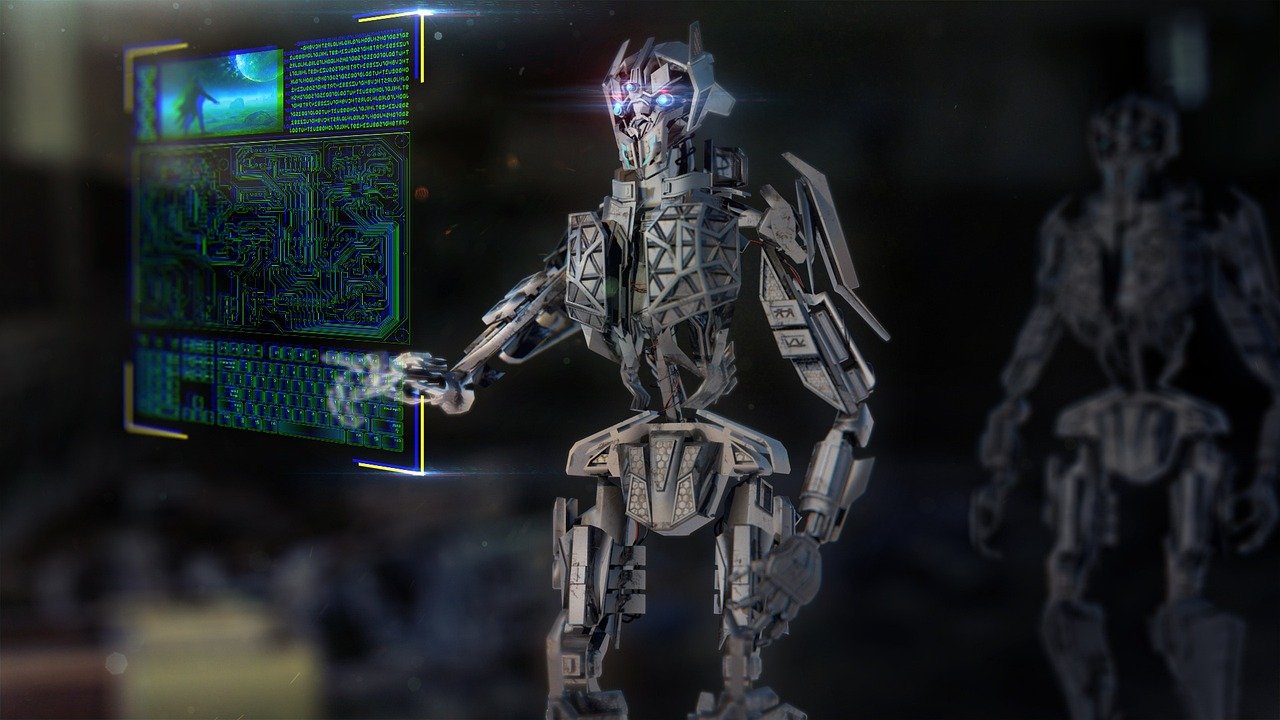

Embracing Automation: The Future of Industrial Facilities
Understanding Automation in Industrial Settings
Automation refers to the use of technology to perform tasks with minimal human intervention. In industrial facilities, this can encompass everything from robotic assembly lines to sophisticated software systems that monitor and optimize production processes. The rise of automation has become a pivotal force shaping the future of manufacturing and industrial operations, with implications for efficiency, safety, and scalability.
Benefits of Implementing Automation
-
Increased Efficiency
Automation significantly increases the speed and accuracy of production processes. Machines can operate continuously without the need for breaks, thus maximizing output. According to a McKinsey report, productivity in manufacturing can increase by up to 20-30% with effective automation strategies. -
Cost Reduction
While the initial investment can be substantial, automation leads to long-term cost savings. It reduces labor costs, minimizes waste, and lowers the frequency of errors, which can often lead to costly recalls or rework. The International Federation of Robotics reports that companies can save up to 50% in operational costs by adopting advanced automation technologies. -
Enhanced Safety
Automation helps reduce workplace injuries by taking over dangerous tasks. Robotic systems can handle heavy loads and hazardous materials, providing a safer environment for human workers. This shift not only improves employee welfare but also reduces workers’ compensation claims and insurance costs. -
Improved Quality Control
Automated systems can enhance quality control through consistent monitoring and real-time data analysis. Advanced sensors and AI-driven algorithms can detect defects more accurately than human inspectors. This leads to better product quality, higher customer satisfaction, and lower costs associated with returns.
Types of Automation Technologies
-
Robotics
Industrial robots are designed for tasks such as welding, painting, and assembly. Robotic arms can operate with high precision and repeatability, outperforming human workers in productivity. -
Artificial Intelligence and Machine Learning
AI is revolutionizing industrial facilities by enabling predictive maintenance, optimizing supply chain management, and enhancing decision-making. Machine learning algorithms analyze historical and real-time data to forecast equipment failures and optimize production schedules. -
Internet of Things (IoT)
IoT connects machines, sensors, and systems through the internet to streamline operations. Industrial IoT (IIoT) facilitates better data collection and analytics, allowing for real-time monitoring of equipment health and productivity levels. -
Automated Guided Vehicles (AGVs)
AGVs are used for transporting materials within factories. These self-navigating vehicles can optimize warehouse operations, improve inventory management, and enhance overall logistics.
Challenges of Implementing Automation
-
High Initial Costs
The capital investment required for advanced automation technologies can be a barrier, particularly for small and medium-sized enterprises (SMEs). However, grants, tax incentives, and financing options are increasingly available to help mitigate these expenses. -
Workforce Resistance
Automation can lead to fears of job displacement among workers. To combat this, companies must engage in transparent communication and provide education and retraining programs to help employees transition into new roles that complement automation. -
Integration Issues
Incorporating new automation technologies into existing systems can be complex. A thorough assessment and strategic planning are essential to ensure a smooth transition without disrupting current operations. -
Cybersecurity Risks
Increased reliance on connected systems raises cybersecurity concerns. Industrial facilities must invest in robust security measures to protect sensitive data and critical infrastructure from cyber threats.
Strategies for Successful Automation Adoption
-
Conduct a Feasibility Study
Understand the specific needs of your facility and evaluate the technologies that align with those needs. Assess the return on investment (ROI) and potential productivity improvements. -
Pilot Projects
Start with small-scale pilot projects to test the effectiveness of automation solutions. Monitoring outcomes will help identify challenges and solutions before scaling up. -
Training and Development
Invest in workforce development through ongoing education, workshops, and training. Upskilling employees will ensure they can work effectively alongside automated systems. -
Partner with Technology Providers
Collaborate with experienced automation technology vendors who can provide insights and support throughout the implementation process. Their expertise can help streamline integration and maximize performance.
Future Trends in Industrial Automation
-
Greater Interconnectivity
Future industrial facilities will be increasingly interconnected, with machines communicating seamlessly across networks. This trend will enhance efficiency and enable more integrated supply chain solutions. -
Collaborative Robots (Cobots)
Cobots are designed to work alongside humans, allowing for a flexible and synergistic approach to manufacturing. These systems will become more common as they increase productivity without completely replacing the workforce. -
Personalization and Customization
Automation will allow for more agile manufacturing processes, enabling companies to customize products to meet individual customer specifications efficiently. This capability will be vital in an era where consumers increasingly prefer personalized products. -
Sustainability Efforts
The push for sustainability will drive automation toward greener practices. Smart technologies will help optimize resource consumption, reduce waste, and enhance energy efficiency in industrial operations. -
Data-Driven Decision Making
Big data and advanced analytics will play a crucial role in automation, enabling real-time decision-making based on comprehensive data insights. Future facilities will rely more heavily on data visualization tools and AI algorithms to guide strategies.
Conclusion
The transition into an automated future for industrial facilities is not merely an option but a necessity for competitiveness and sustainability. By effectively embracing automation, industries can enhance productivity, lower operational costs, and improve safety—all essential factors in today’s rapidly evolving market landscape. As technology continues to advance, the potential for automation to further transform manufacturing processes will only grow, paving the way for a new era of industrial excellence.
