
The Return of City Living: Trends in Urban Apartment Rentals Post-Pandemic
The COVID-19 pandemic altered the dynamics of urban living, leading to a sudden exodus from bustling cities as remote work became commonplace. However, as the world begins to recover, trends in urban apartment rentals are shifting once again. This article explores emerging patterns in city living, highlighting preferences for space, amenities, and location.
1. Resurgence of Urban Demand
The desire to live in cities is re-emerging as pandemic concerns fade. Urban areas, once perceived as crowded and high-risk, are now seen as lively hubs of culture and opportunity. According to recent data, cities like New York, San Francisco, and Chicago have experienced a rebound in rental inquiries, signaling a renewed interest in urban apartment living. As businesses reopen and cultural events resume, many individuals are drawn back to the vibrancy that only city life can offer.
2. Preference for Larger Living Spaces
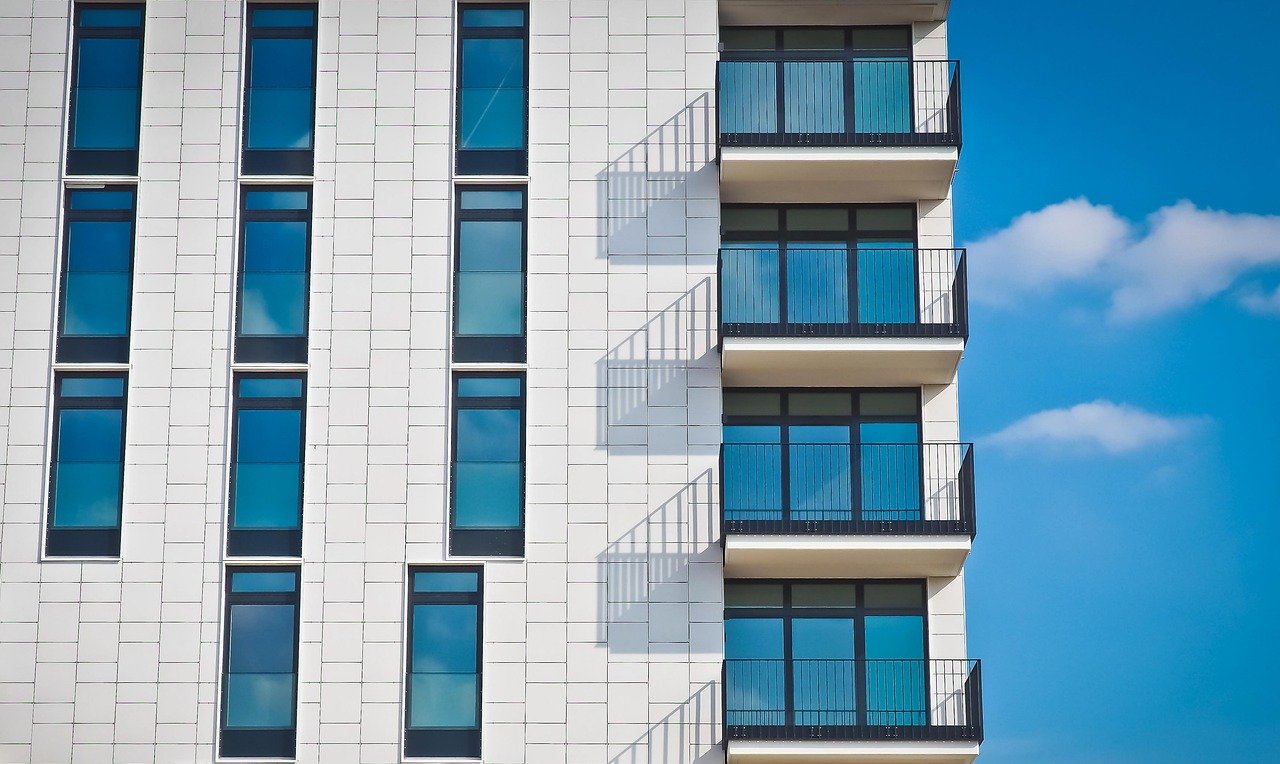
One noteworthy trend is the increasing demand for larger apartments. During the pandemic, many renters realized the importance of having functional space to accommodate working from home, home schooling, and leisure activities. As a result, urban residents are now seeking apartments with more square footage, dedicated office areas, and communal spaces, such as terraces or balconies, that provide a breath of fresh air. New developments are responding to this demand by offering adaptable floor plans that accommodate remote work and reduce the sense of confinement.
3. Focus on Amenities
Urban apartments equipped with robust amenities are gaining traction. Renters are prioritizing buildings that offer features such as fitness centers, co-working spaces, rooftop lounges, and pet-friendly facilities. The motivation behind this demand is simple: residents want their homes to provide not only a place to live but also a myriad of lifestyle options. Properties featuring spa-like facilities, communal gardens, and shared kitchens are particularly attractive, as they allow residents to socialize safely and enhance their everyday experiences.
4. Location Accessibility
Access to public transportation and urban conveniences remains paramount for urban renters. Proximity to grocery stores, pharmacies, parks, and entertainment venues is now more critical than ever. Renters are showing a preference for neighborhoods that offer walkability and a diverse array of services within close range. This trend has revitalized interest in areas that might have been overlooked prior to the pandemic, such as transitional neighborhoods that offer unique cultural experiences and an authentic urban lifestyle.
5. Flexibility in Leasing Options
The pandemic underscored the importance of flexibility in rental agreements. As individuals reassess their living situations, landlords and property management companies are adapting by offering shorter lease terms, chaotic, or even hybrid options. Some property managers have introduced flexible clauses allowing tenants to move or adjust their leases with relative ease. This accommodation fosters a sense of security among renters, giving them the confidence to commit to living in the city even amid changing circumstances.
6. Sustainability and Environmentally-Friendly Features
Sustainability is becoming a priority for many urban renters. Those looking for apartments often seek out buildings with eco-friendly designs and sustainable practices. Green roofs, energy-efficient appliances, and better insulation are features that resonate strongly with environmentally-conscious tenants. Additionally, properties that promote sustainable commuting options, such as bike storage and electric vehicle charging stations, are particularly appealing to a growing demographic that values environmental responsibility.
7. Technology Integration
As technology continues to advance, urban apartment buildings are embracing smart home features. Many rental properties now offer integrated technology that enables tenants to control heating, lighting, and security systems through their smartphones. Virtual tours, online leasing processes, and contactless entry systems are becoming the norm. Renters appreciate the seamless experience and enhanced security that smart technology provides, making it a significant factor in their decision-making process.
8. Emphasis on Community
The pandemic highlighted the importance of community and connection. Urban renters are increasingly gravitating toward buildings that foster a sense of belonging. This trend is manifesting in the design of communal spaces, which are intended to encourage interaction among residents. Developers are investing in shared amenities like communal dining areas, lounges, and event spaces. Additionally, virtual community events such as cooking classes and workshops are becoming commonplace, allowing residents to connect and create bonds while fostering a vibrant community feel.
9. The Role of Real Estate Agencies
Real estate agencies have adapted their marketing strategies to reflect these post-pandemic trends. They are increasingly using digital platforms to showcase properties, host virtual tours, and provide detailed insights into neighborhood amenities. Agents are now more attuned to the desires of modern tenants, emphasizing features such as spacious layouts, community involvement, and environmentally-friendly practices. This tailored approach helps ensure properties appeal to discerning renters who have specific needs and preferences.
10. Market Price Adjustments
Despite the resurgence of urban demand, rental prices have shown remarkable variability in different markets. Some cities have experienced rising rents, particularly in areas with strong job growth and ample amenities. Others, however, may still offer competitive pricing as landlords strive to attract tenants back after the pandemic lull. Potential renters should conduct thorough market research to find value in areas that align with their lifestyle and budget.
11. The Impact of Remote Work Culture
Even as urban living returns, the prevalence of remote and hybrid work is altering rental demands. Many professionals value the option to work remotely part-time, leading to an increased focus on surrounding neighborhoods with access to green spaces or quieter environments. This trend has opened up suburban areas to potential urban dwellers seeking a blend of city and suburban benefits. As cities evolve, they will need to adapt to accommodate the diverse needs stemming from a more hybrid workforce.
12. Cultural Influences on Urban Living
Cultural and lifestyle factors continue to shape urban living preferences. Renters today are drawn to cities that offer rich cultural experiences, from art galleries to music festivals and culinary diversity. Urban living is increasingly perceived as not just a residence but a lifestyle choice infused with an exciting spectrum of experiences. Property developers are recognizing this trend, often striving to contribute to the local cultural ecosystem, further enhancing the attractiveness of urban environments.
As cities continue to evolve in the post-pandemic landscape, the trend towards urban apartment living appears vibrant and resilient. By embracing the changing demands and lifestyles of renters, urban environments can thrive once more, making city living an attractive choice for many in the years to come.
