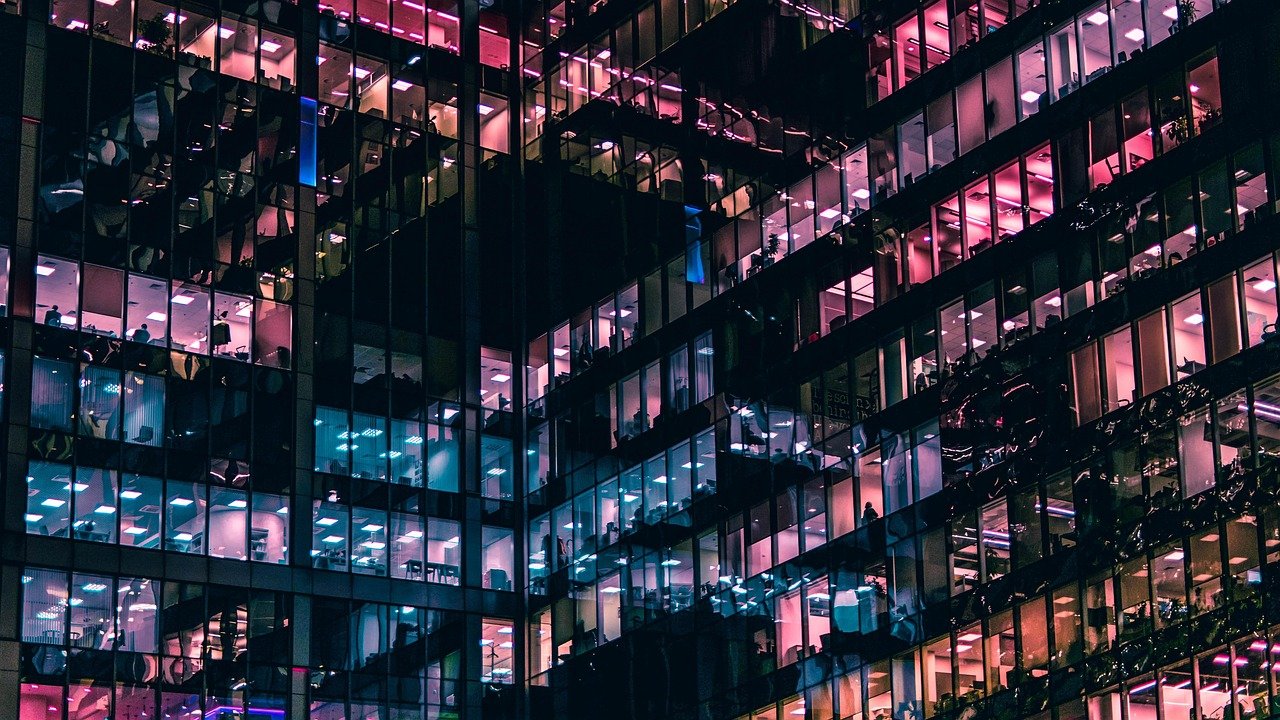

Urban Redevelopment: Transforming Old Warehouses into Office Spaces
Urban redevelopment has emerged as a potent avenue for revitalizing city landscapes, with the transformation of old warehouses into vibrant office spaces leading the charge. This process not only breathes new life into derelict structures but also stimulates local economies, preserves historical architecture, and fosters innovative work environments.
The Allure of Industrial Aesthetics
One primary driver behind the redevelopment of old warehouses is the growing appreciation for industrial aesthetics. Exposed brick, high ceilings, and large windows are hallmarks of these structures, offering a blend of historic charm and modern sophistication. Designers and companies are keen on implementing these features, as they create an inspiring atmosphere conducive to creativity and productivity.
Urban planners and architects often capitalize on the “loft-style” workspaces that celebrate the raw nature of these buildings. By retaining original elements while integrating modern amenities, warehouse office spaces achieve a unique balance, making them attractive to startups and established businesses alike.
Economic Benefits of Redevelopment
Transforming old warehouses into office spaces can provide substantial economic benefits to cities. By renovating existing structures instead of building new ones, developers can reduce construction costs, lessen environmental impact, and promote sustainable practices. The reuse of existing materials often leads to a lower carbon footprint, aligning redevelopment projects with green initiatives and appealing to environmentally conscious investors.
Additionally, these redevelopments stimulate job creation. As new businesses set up shop in renovated warehouse spaces, they pave the way for related industries, such as construction, hospitality, and retail, to flourish. The influx of employees can also boost the local economy, leading to increased demand for services and amenities in the surrounding area.
Adaptive Reuse: A Sustainable Approach
The adaptive reuse of old warehouses is a cornerstone of urban redevelopment, reflecting an eco-friendly approach to construction. By refurbishing existing structures, cities contribute to sustainability efforts while honoring their historical and cultural context. This practice minimizes waste and preserves the architectural heritage of urban areas.
Developers can mitigate the costs associated with new builds and zoning regulations while providing innovative office solutions. Reengineering these spaces typically involves compliance with modern building codes and ensuring they meet the needs of contemporary businesses. Facilities are often upgraded to include advanced technology infrastructures, ensuring that they are equipped for the future demands of the workforce.
Case Studies in Warehouse Conversion
Cities around the globe have successfully transformed warehouses into flourishing office spaces. In the United States, the historic Mill District in Minneapolis serves as a prime example, where renovated flour mills have been converted into offices, retail spaces, and apartments. Not only has this revitalization preserved the city’s industrial legacy, but it has also attracted tech startups seeking unique work environments.
Another notable project is the adaptive reuse of the famous ArcelorMittal Steel Plant in Chicago into a mixed-use development that encompasses office spaces, retail, and public parks. This redevelopment preserves the site’s industrial identity while enhancing urban livability and functionality.
Internationally, cities such as London and Berlin have also embraced warehouse conversions. The transformation of the converted cold storage facilities in East London into tech hubs showcases the potential of integrating creativity and functionality in redeveloped spaces. Similarly, Berlin’s numerous former industrial sites have been reimagined as innovative office spaces, drawing in diverse industries and promoting economic growth.
Overcoming Challenges
Despite the numerous benefits, the redevelopment of warehouses into office spaces comes with its challenges. One primary concern is financing, as costs associated with renovating old structures can be substantial. Securing funding for such projects often necessitates extensive financial planning and strategic partnerships. Collaborations with local governments and economic development agencies can help mitigate risks through grants and incentives targeted at urban redevelopment initiatives.
Another challenge is adhering to zoning regulations and building codes. Each locality may have specific requirements that influence how structures can be modified or repurposed. Developers must engage with city planners and regulatory bodies early in the process to navigate potential hurdles effectively.
The Role of Technology in Redevelopment
As urban redevelopment pivots towards creating smart cities, technology plays a pivotal role in transforming office space experiences. Integrating high-speed internet, IoT devices, and energy-efficient systems can enhance both functionality and sustainability. Companies involved in warehouse renovation often prioritize smart building technologies that streamline operations and reduce energy consumption, making these spaces attractive to potential tenants.
Moreover, virtual reality (VR) and augmented reality (AR) tools can assist architects and developers in visualizing how these spaces will transform during the renovation process. This immersive technology enables stakeholders to engage with the design beforehand, ensuring the end product meets the expectations of future occupants.
Community Engagement
Engaging with the local community is a crucial component of successful warehouse redevelopment. Gathering input from residents, business owners, and stakeholders ensures that projects meet communal needs while reflecting the area’s character. Workshops and forums can foster dialogue around proposed transformations, allowing the community to voice concerns, suggestions, and aspirations.
By cultivating a sense of ownership and participation, developers can enhance their projects’ acceptance and sustainability. This engagement can prove invaluable in securing local buy-in for revitalization efforts, resulting in a higher likelihood of successful outcomes.
The Future of Urban Redevelopment
As urban centers continue to evolve, the trend of converting old warehouses into office spaces will persist, merging innovation with tradition. This approach to addressing spatial challenges in bustling cities aligns with broader societal trends towards sustainability, economic resilience, and community-focused development.
With cities recognizing the benefits of urban renewal, more warehouses are likely to receive makeovers that reflect the demands of modern businesses while honoring their historical significance. The landscape of urban offices will continue to shift, powered by creative reimaginings of these industrial spaces, contributing to both the economy and the environment in profound ways.
Adapting old warehouses into productive office spaces symbolizes a commitment to resourcefulness, marking a significant step towards shaping livable, prosperous urban environments. Through thoughtful design and engaged communities, opportunities for revitalization will emerge continuously, uncovering the full potential of our cities’ industrial pasts.
