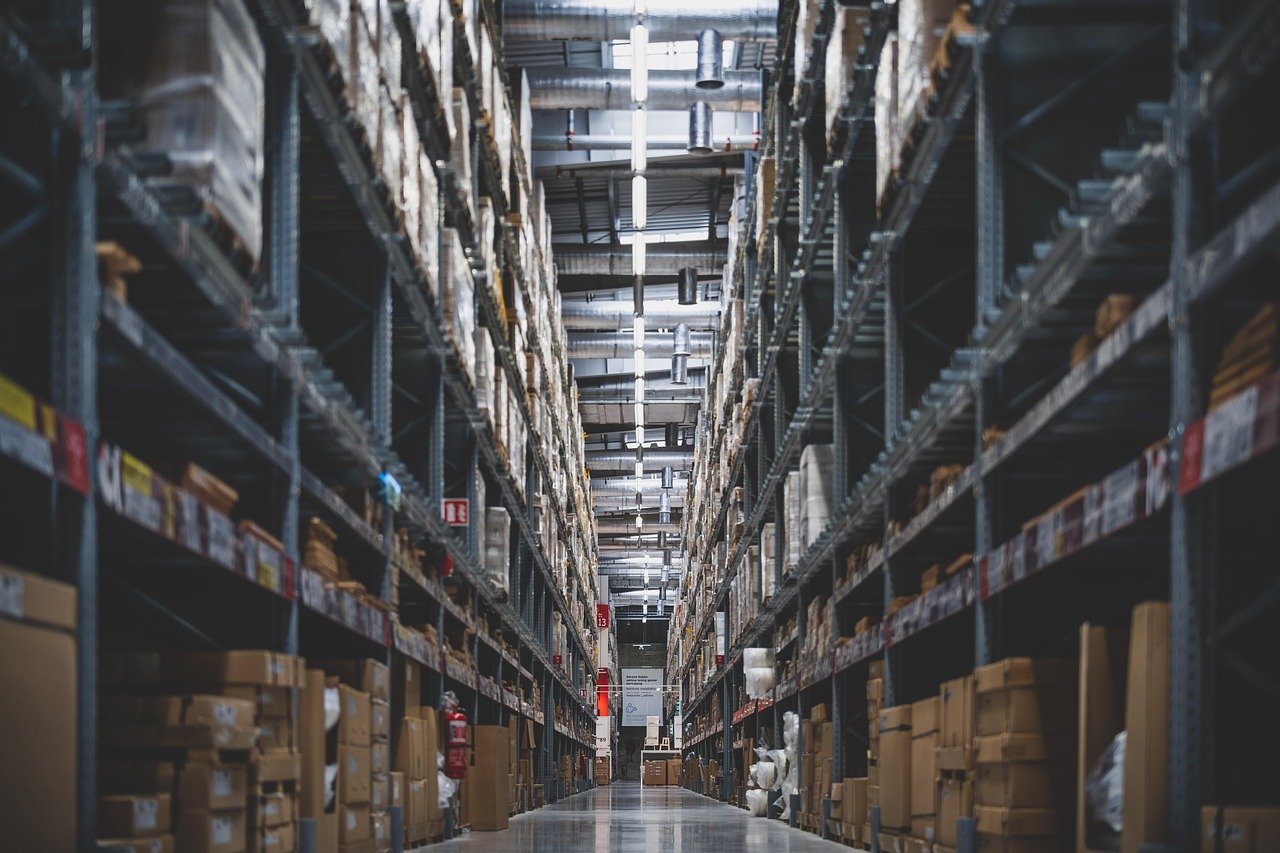

The Transformation of Warehouse Development
E-commerce has catalyzed a seismic shift in the logistics landscape of the United States, revolutionizing warehouse development strategies. As online shopping gains momentum, traditional retail spaces are increasingly repurposed into warehouses, creating unprecedented opportunities and challenges in supply chain management.
Growing Demand for Warehousing Space
The surge in e-commerce activity, magnified by the pandemic, necessitates a significant increase in warehouse space. According to recent data, the demand for logistics space has surged by over 25% since 2020. Major players like Amazon and Walmart have led the charge, driving competition among e-commerce businesses to secure real estate that supports their logistics operations. This demand is spurring the construction of warehouses in strategic locations across the nation.
Geographic Location and New Trends
Strategically located warehouses are becoming focal points in e-commerce logistics, influenced by proximity to urban centers. The trend of “last-mile” delivery has made it imperative for warehouses to operate close to populated areas. Eyewitness to this trend, developers now prioritize locations near major metropolitan areas to minimize delivery times. As fulfillment centers migrate closer to urban hubs, cities like Dallas, Atlanta, and Chicago are witnessing a warehouse boom, attracting both new constructions and retrofitting of existing structures.
Investment Patterns Shifting to E-commerce
Unquestionably, e-commerce is reshaping investment paradigms in warehouse development. Institutional investors, once hesitant to enter this market, are now committing significant capital to logistics real estate. Reports indicate that over $37 billion was invested in industrial real estate in 2021, driven nearly entirely by e-commerce demand. Developers are focusing on creating flexible, multi-tenant facilities to accommodate various e-commerce operators, providing options for small businesses to scale.
Technological Advancements in Warehousing
The rise of e-commerce is not just about more space; it is also about smarter warehousing. Automation and the Internet of Things (IoT) are transforming how warehouses operate. Automated storage and retrieval systems (AS/RS) allow for greater efficiency and accuracy, significantly reducing labor costs and increasing throughput. The integration of IoT sensors enables real-time inventory tracking and management. Consequently, warehouses are increasingly adopting technology to enhance operational efficiencies and provide better service to e-commerce players.
Sustainable Development Practices
As e-commerce continues to grow, so does the imperative for sustainable practices in warehouse development. Investors and developers face mounting pressure to adopt green building practices. Energy-efficient designs, solar power installations, and sustainable materials are becoming normative in new developments. According to the U.S. Green Building Council, more warehouses are pursuing LEED certification, which positively impacts a company’s bottom line and enhances its brand reputation among environmentally-conscious consumers.
Changes in Space Utilization
In the age of e-commerce, traditional warehousing concepts are being redefined. Optimal space utilization has become a crucial factor in warehouse design. With the advent of high-density storage solutions, warehouses now accommodate a greater volume of goods without necessitating larger footprints. Creative shelf designs and vertical space utilization are allowing e-commerce companies to hold more inventory, ensuring that products are readily available for rapid shipping.
Challenges in Workforce Management
While the e-commerce boom has led to warehouse development growth, it also brings workforce management challenges. The intense competition for labor has made it harder for warehouses to attract and retain employees, resulting in higher wages and benefits. Increased automation provides some remedy for labor shortages, but it also requires specialized skills, creating a new set of challenges for current employees. Developing workforce training programs is pivotal for integrating technological innovations while maintaining high service standards.
The Role of Federal and State Policies
Federal and state governments play a significant role in shaping warehouse development. Incentives, tax breaks, and infrastructure investments can spur or hinder development initiatives. Many states are actively courting logistics businesses through programs designed to enhance transportation infrastructure, which is critical for efficient warehouse operation. Policy frameworks supporting e-commerce, coupled with investment in transportation networks, will continue to influence where and how warehouses are built.
The Rise of E-commerce Fulfillment Centers
Fulfillment centers, designed specifically for e-commerce, are becoming increasingly prevalent. They differ from traditional warehouses in their function, focusing on rapid order processing, picking, packing, and shipping directly to consumers. In response to the urgency of e-commerce, companies are investing in advanced fulfillment technologies, such as robotics and machine learning, to optimize their operations. This shift necessitates significant investment in real estate, further propelling warehouse development.
Impacts on Real Estate Values
The demand for warehouse space continues to reshape the commercial real estate landscape. In markets with high e-commerce logistics activity, warehouse values have seen significant appreciation. Property owners are witnessing rising rental incomes, driven by competitive pressure for prime locations. As e-commerce’s growth shows no signs of abating, real estate markets are adapting to the demands of an evolving economy, leading to more strategic stakeholder engagement in warehouse development.
Emerging Trends: Omni-channel Logistics
With the rise of omni-channel retailing, where businesses integrate e-commerce with physical store sales, warehouses are evolving to support varying logistics needs. New warehouse designs are accommodating both in-store pickup and direct-to-consumer orders, creating synergy between online and offline sales. This evolution means developers must create flexible spaces that can easily transition between different business models, adding another layer of complexity and opportunity in warehouse development.
The Impact of Global Supply Chains
E-commerce does not operate in a vacuum; it is affected by global supply chains and trade dynamics. Fluctuations in overseas shipping tariffs and global supply chain disruptions influence warehousing strategies. Consequently, U.S. companies are rethinking their logistics infrastructure, leading to increased domestic warehouse development as firms aim for resiliency in their supply chains. This shift towards ‘nearshoring’ and local sourcing necessitates more warehouses closer to key suppliers and markets.
Collaborative Logistics Partnerships
As e-commerce grows, collaboration among logistics players becomes more vital. New partnerships between e-commerce companies, warehouse operators, and transportation providers are emerging, driving efficiency in the supply chain. These collaborative logistics networks share resources, technology, and information to streamline operations, and increase fulfillment speed. Such synergies foster innovation in warehouse development, merging the best practices of various entities to optimize the entire e-commerce logistics infrastructure.
Conclusion
Warehouse development in the U.S. is at a critical juncture, fundamentally influenced by the growth of e-commerce. Adaptation to shifting consumer behaviors, technological advancements, and changing market demands will continue to spur innovative approaches in warehouse development. As the landscape evolves, stakeholders must remain agile, proactive, and forward-looking to address the challenges and leverage the opportunities presented by the ever-expanding e-commerce sector. Continuous investment in infrastructure, workforce development, and technology will be paramount to meeting future demands in this dynamic environment.
