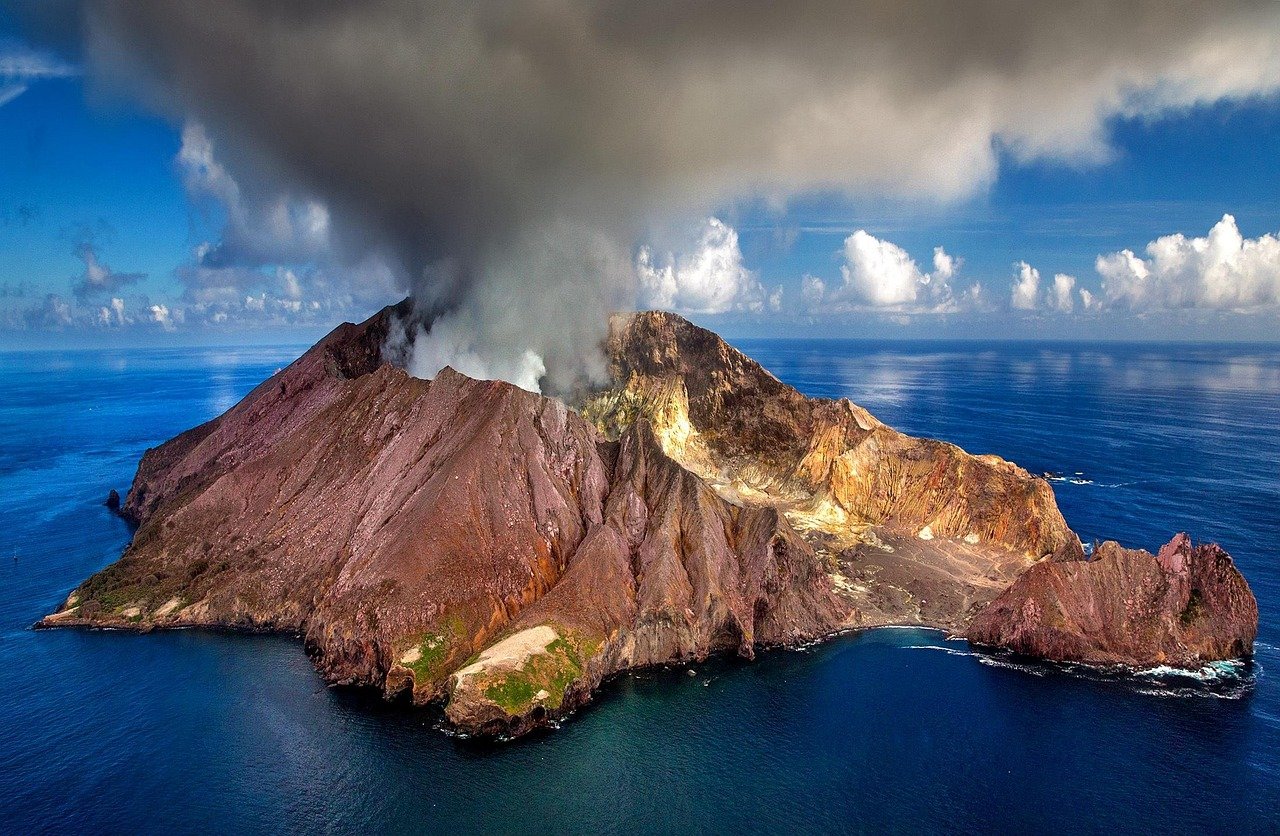

Transforming US Island Properties: From Abandoned to Eco Paradises
The picturesque charm of US islands, often associated with tropical beaches and lush landscapes, carries a deeper narrative of abandonment and decay. The transformation of these properties into eco-friendly paradises not only revitalizes the local economy but also aligns with sustainable practices vital for our environment.
The State of Abandonment
Many US islands, including those in the Caribbean and Pacific regions, have witnessed a rise in abandoned properties due to economic downturns, natural disasters, and changing tourism trends. Structures that once welcomed guests have become shells of their former selves—overgrown with vegetation and plagued by decay. Factors such as excessive reliance on tourism, environmental challenges, and limited infrastructure options have led to this decline.
Identifying Opportunities for Restoration
To combat this challenge, there is a reawakening of interest in restoring these island properties. Through innovative approaches grounded in sustainability, developers, environmentalists, and local communities are finding new ways to breathe life into these abandoned spaces.
Sustainable Architecture
One of the primary components of transforming abandoned island properties is the incorporation of sustainable architecture. This entails designing buildings that harmonize with the local environment. Key elements include:
- Passive Solar Design: Utilizing natural sunlight for heating and lighting reduces energy consumption.
- Green Roofs and Walls: These systems provide insulation, manage stormwater, and create habitats, while also enhancing the aesthetic appeal of the properties.
- Local Materials: Sourcing materials from nearby areas minimizes transportation costs and ecological footprints.
Eco-Friendly Landscaping
The landscape surrounding island properties plays a crucial role in the transformation process. Eco-friendly landscaping practices, such as xeriscaping, use drought-resistant plants to minimize water consumption. By employing indigenous flora, these projects not only reduce landscaping costs but also help to restore local ecosystems that have been disrupted over the years.
Water Management Systems
Water scarcity is a pressing issue for many island communities. Innovative water management systems, including rainwater harvesting and greywater recycling, can significantly reduce reliance on external water sources. Installing permeable paving, swales, and retention ponds enhances the natural filtration of water, promoting a sustainable approach to water usage.
Renewable Energy Sources
The integration of renewable energy into island property developments is pivotal for creating eco-paradises. Utilizing solar panels, wind turbines, and kinetic energy systems can lead to substantial reductions in carbon emissions. Many regions are exploring off-grid solutions that prioritize renewable energy sources, allowing properties to maintain self-sufficiency.
Community Involvement
Community engagement is essential in the restoration of abandoned island properties. Grassroots initiatives often drive the sustainability movement. By involving local stakeholders in the planning and execution phases, developers can ensure the projects meet the needs and aspirations of the community. Workshops and public forums can foster a sense of ownership, leading to long-term success and pride among residents.
Eco-Tourism Development
An attractive aspect of transforming forgotten island properties is the potential for eco-tourism. This segment of tourism emphasizes responsible travel to natural areas, conserving the environment, and improving the well-being of local communities. Eco-resorts and lodges that highlight sustainable practices appeal to a growing demographic of environmentally conscious travelers.
- Wildlife Sanctuaries: Protecting and promoting local wildlife creates unique experiences for tourists and conservation opportunities.
- Cultural Tours: Engaging visitors in local traditions and sustainable practices provides educational value while fostering community pride.
Regulatory Frameworks
Government policies will play a vital role in facilitating the transformation of abandoned properties. Incentives like tax breaks, grants, and streamlined permit processes encourage developers to pursue eco-friendly renovations. Zoning laws should be revisited to accommodate sustainable projects focused on low-impact development.
Challenges and Solutions
While the transformation of abandoned island properties faces numerous challenges—including funding, regulatory hurdles, and environmental concerns—there are viable solutions.
- Crowdfunding and Public-Private Partnerships: Innovative financing solutions can secure the necessary funds for restoration projects while distributing risk.
- Adaptation Strategies: Developing flexible building designs that can withstand climate variables will enhance the long-term viability of new developments.
Case Studies of Successful Transformations
Several notable successful transformations exemplify the potential of rejuvenating abandoned island properties:
- Maui’s Eco-Resort: An abandoned hotel was converted into a sustainable resort that utilizes solar energy, supports local farmers, and has revitalized the coastal ecosystem.
- Isle of Palms Restoration: Once abandoned beach houses are now eco-friendly vacation rentals that promote wildlife observation and environmentally sound practices, attracting a new wave of eco-tourists.
Future Outlook
The future of transforming abandoned island properties lies in innovation, community engagement, and a collective commitment toward sustainability. As climate change calls for urgent action, the push towards eco-paradises becomes not just an opportunity for regeneration but a necessity.
Investing in the restoration of these landscapes can engender economic benefits while fostering ecological awareness. As environmental degradation threatens the beauty we cherish, these transformations embody hope, illustrating that it is possible to align human habitation with nature’s rhythms.
Through strategic planning, collaborative efforts, and a dedication to sustainability, the abandoned properties of US islands can be reborn, revealing hidden beauty and potential that benefits both locals and visitors. The shift towards eco-paradises is not merely a trend but a crucial pathway toward a more sustainable and harmonious relationship with our planet.
